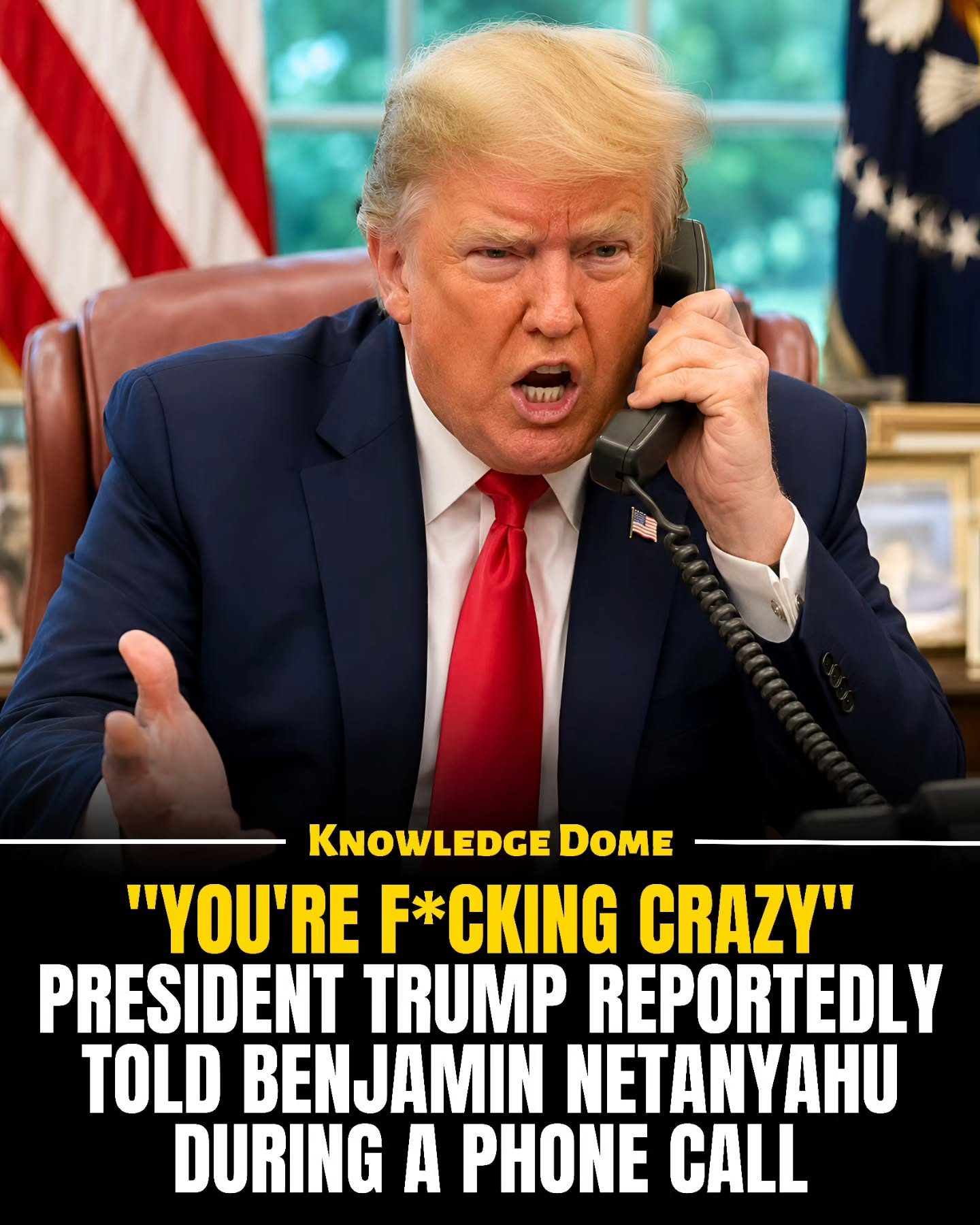
President Trump and Benjamin Netanyahu's Tense Phone Call
A tense phone call between President Donald Trump and Israeli Prime Minister Benjamin Netanyahu in June 2026 revealed a heated exchange that illuminated the complex dynamics between the two leaders. The call, which occurred amidst escalating military actions in Lebanon, highlighted the delicate balance of international relations and diplomacy.
Context / Why this matters
The phone call took place during a period of heightened tensions, primarily due to Israel's growing military actions in Lebanon. These actions were deemed problematic by the Trump administration, which feared they could jeopardize critical U.S.-led peace talks with Iran. This background is crucial in understanding the context of the call and the reasons behind Trump's strong language.
Main discussion
The Phone Call
The phone call was sparked by Trump's concern over Israel’s military activities, particularly the planned strikes on Beirut. This heightened the tensions between the two leaders, leading to a robust exchange of words. According to an Axios report, Trump reportedly told Netanyahu, “You’re crazy,” and questioned, “What are you doing?” This language reflected Trump's frustration and concern over the potential impact on the peace talks.
Trump's Perspective
Trump later discussed the call on the podcast Pod Force One with Miranda Devine. He confirmed using strong language but clarified that it was not out of anger; he described himself as “a little bit annoyed” and “perturbed." The call was driven by Trump’s worry about the broader implications of Israel's actions, particularly on the ongoing peace negotiations. This clarification suggests that while Trump did express his displeasure, it was rooted in strategic concerns rather than personal animosity.
Netanyahu's Reactions and Legal Troubles
Trump's comments also touched on Netanyahu's legal troubles, including his corruption trial and other legal issues in Israel. By stating, “You would be in prison without my support,” Trump underscored the delicate balance of their relationship. This comment not only highlighted Trump's influence over Netanyahu's political survival but also added a layer of complexity to their diplomatic interactions.
Israeli Official's Perspective
Following the phone call, an Israeli official noted that Israel had backed down from a planned major attack on Beirut. This suggests that Trump's strong language had some impact on Israel's military strategy. However, Netanyahu later clarified that Israel's overall position had not changed and that it would continue to strike if Hezbollah attacked again. This stance indicates that while the immediate plans may have been adjusted, the broader policy remained unchanged.
Practical tips for better diplomacy
When dealing with diplomatic tensions, it is essential to consider several practical tips:
Maintain Clear Communication
Clear and direct communication is crucial in diplomatic exchanges. The use of strong language, while sometimes necessary to convey frustration, should be balanced with a clear explanation of the underlying concerns. This helps in avoiding misunderstandings and ensures that both parties are informed about the stakes involved.
Understand the Broader Context
It is important to understand the broader geopolitical context in which diplomatic exchanges take place. In this case, the peace talks with Iran were a significant factor influencing the conversation. Awareness of such contexts can help in crafting more effective diplomatic strategies.
Recognize Legal and Political Dynamics
Legal and political dynamics play a significant role in diplomatic relations. Understanding these factors, such as Netanyahu's legal troubles, can provide a deeper insight into the motivations and actions of the leaders involved. This knowledge can be instrumental in navigating complex diplomatic negotiations.
Important takeaways
Trump's Strong Language Had Strategic Intent
Trump's use of strong language was not merely a display of frustration but was rooted in strategic concerns about the peace talks with Iran. This highlights the importance of understanding the deeper implications of diplomatic exchanges.
Diplomatic Influence and Political Survival
The dynamics of political survival, as seen in Trump's comments about Netanyahu's legal troubles, are crucial in international relations. This interplay between personal and strategic interests can significantly influence diplomatic outcomes.
Immediate Adjustments vs. Long-Term Policy
While immediate actions, such as backing down from a planned attack, may be influenced by diplomatic pressure, long-term policy decisions often remain unchanged. This duality is a common feature in diplomatic exchanges and should be considered when analyzing such interactions.
Conclusion
The tense phone call between Donald Trump and Benjamin Netanyahu offers a glimpse into the complexities of international diplomacy. The exchange underscores the importance of clear communication, understanding broader contexts, and recognizing the interplay between legal and political dynamics. As geopolitical tensions continue to evolve, such insights remain relevant in navigating the delicate landscape of international relations.
Watch the Reel
Questions readers ask
What was the main topic of the tense phone call between Trump and Netanyahu in June 2026?
The main topic of the tense phone call between President Donald Trump and Israeli Prime Minister Benjamin Netanyahu in June 2026 was the escalating military actions in Lebanon. The call took place during a period of heightened tensions, largely due to Israel's growing military involvement in the region, which the Trump administration saw as a potential threat to U.S.-led peace talks with Iran.
Why was the Trump administration concerned about Israel's military actions in Lebanon?
The Trump administration was concerned about Israel's military actions in Lebanon because they feared these actions could jeopardize critical U.S.-led peace talks with Iran. The administration was worried that the escalating conflict could disrupt the delicate balance of international relations and undermine broader diplomatic efforts in the Middle East.
How did the phone call reflect the dynamics between Trump and Netanyahu?
The phone call reflected the complex and often tense dynamics between Trump and Netanyahu. It highlighted their differing views on the appropriate course of action regarding the Lebanon conflict, with Trump expressing frustration over Israel's military actions and Netanyahu likely defending his country's decisions. This exchange underscored the delicate nature of their relationship and the challenges in aligning their respective national interests.
What were the potential consequences of the conflict in Lebanon on international relations?
The conflict in Lebanon had the potential to significantly impact international relations, particularly the U.S.-led peace talks with Iran. The escalating military actions could have upset the delicate balance of power in the region, leading to broader instability and potentially drawing in other international actors. This could have complicated efforts to achieve a peaceful resolution to the conflict and undermined broader diplomatic initiatives.
What role did the U.S. play in the Lebanon conflict during this period?
The U.S., under the Trump administration, played a significant role in the Lebanon conflict by expressing concern over Israel's military actions and their potential impact on U.S.-led peace talks with Iran. The administration aimed to encourage a diplomatic resolution to the conflict, emphasizing the need to avoid actions that could further destabilize the region. This involved engaging with both Israel and other regional actors to manage the crisis and promote stability.
Why was President Trump critical of Netanyahu in the context of this conflict?
President Trump was critical of Netanyahu in the context of this conflict due to the Trump administration's concerns that Israel's military actions in Lebanon could undermine U.S. diplomatic efforts, particularly the peace talks with Iran. Trump likely saw these actions as detrimental to the broader regional stability and the potential for peaceful resolution, leading to a tense exchange during their phone call.
Recent articles
Fresh deep dives from the latest Reels we unpacked.




Comments
Be the first to comment.