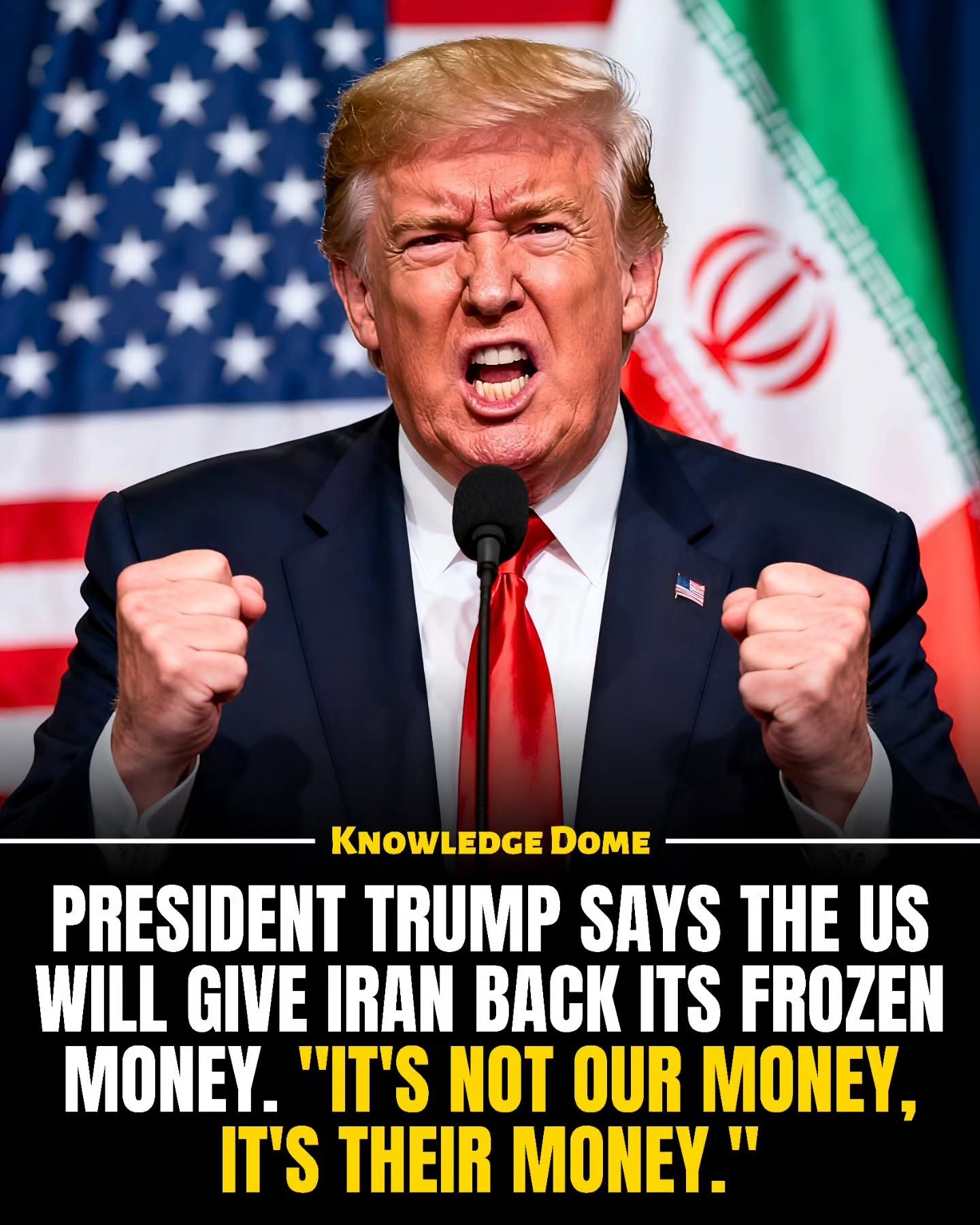
Trump Announces Return of Iran’s Frozen Funds as Part of New Peace Plan
On Wednesday, June 17, 2026, President Donald Trump announced a significant shift in U.S. policy regarding Iran's frozen assets. Speaking to reporters at the G7 Summit in France, Trump stated that the United States would return Iran’s frozen money as part of a new peace plan aimed at ending the ongoing U.S.-Iran conflict. This announcement is part of a broader diplomatic effort to stabilize relations between the two countries and restore global confidence in the U.S. dollar.
Why This Matters
The return of Iran's frozen assets is a pivotal moment in the complex geopolitical landscape. The decision affects not only U.S.-Iran relations but also has broader implications for global financial trust and stability. Understanding the nuances of this agreement provides insight into the evolving dynamics of international diplomacy and the strategic considerations behind such high-stakes moves.
The Announcement
Context of the G7 Summit
The G7 Summit, held in France, provided a high-profile platform for Trump to announce this significant shift in policy. The summit, which brings together leaders from seven of the world's largest advanced economies, is a crucial venue for discussing global economic and security issues. Trump's remarks were carefully calibrated to address both domestic and international audiences, highlighting the importance of the U.S. dollar's role in global finance and the need for diplomatic solutions to long-standing conflicts.
Key Points of the Announcement
Trump emphasized that the frozen funds do not belong to the United States and argued that retaining another country's assets indefinitely would undermine global trust in the U.S. dollar. He stated that the U.S. had frozen Iran’s money at an earlier point in time, but under the new agreement, it may need to be returned. This decision reflects a strategic reconsideration of the long-term benefits of maintaining global financial trust versus short-term gains from retaining frozen assets.
The peace deal comes with several significant terms:
- Unfreezing Iran’s Assets: Reports suggest that Iran’s frozen assets, potentially worth up to 24 billion dollars, are part of the talks.
- No Taxpayer Money Involved: The U.S. is not sending American taxpayer money to Iran; instead, it is unfreezing Iran’s own funds.
- Negotiation Period: The agreement includes a 60-day negotiation period to finalize the details.
- Gradual Lifting of Sanctions: The deal outlines a gradual lifting of sanctions against Iran.
- International Monitoring: The International Atomic Energy Agency (IAEA) will oversee the implementation.
- Trade Reopening: The Strait of Hormuz, a critical waterway for global trade, will be reopened.
- Reconstruction Plan: There is a reported 300 billion dollar reconstruction plan to help Iran rebuild if it adheres to the deal.
The Strategic Considerations
Global Financial Trust
Trump’s decision to return Iran’s frozen assets is rooted in the strategic importance of maintaining global trust in the U.S. dollar. The U.S. dollar's status as the world's primary reserve currency is crucial for its economic and political influence. Keeping Iran’s funds indefinitely could erode this trust, potentially leading other countries to seek alternatives to the U.S. dollar for their financial transactions and reserves.
Diplomatic Implications
The move to unfreeze Iran’s assets is part of a broader diplomatic effort to end the U.S.-Iran conflict. The long-standing tensions between the two countries have had far-reaching consequences, including economic sanctions, military posturing, and regional instability. By returning the frozen assets, the U.S. is sending a signal that it is open to diplomatic solutions and willing to make significant concessions to achieve peace.
Economic Considerations
The peace deal includes a gradual lifting of sanctions and a significant reconstruction plan for Iran. This move could have substantial economic benefits for both countries. For Iran, the unfreezing of assets and the lifting of sanctions could provide much-needed economic relief and stimulate growth. For the U.S., the deal could open new economic opportunities and reduce the financial burden of maintaining sanctions.
Practical Tips for Understanding the Deal
Stay Informed
Stay updated with the latest developments in the U.S.-Iran peace talks. Follow reliable news sources and official statements from both governments to get accurate and timely information.
Analyze the Terms
Pay close attention to the specific terms of the agreement, including the negotiation period, the lifting of sanctions, and the reconstruction plan. Understanding these details will help you grasp the implications of the deal for both countries and the broader global community.
Consider the Broader Impact
Recognize that the return of Iran’s frozen assets is not just a diplomatic move but also has significant economic and financial implications. Consider how this decision might affect global financial markets, trade relations, and the U.S. dollar's status as the world's primary reserve currency.
Important Takeaways
Strategic Diplomacy
The return of Iran’s frozen assets is a strategic move aimed at restoring global trust in the U.S. dollar and achieving a peaceful resolution to the U.S.-Iran conflict. This decision highlights the importance of diplomatic solutions in resolving complex geopolitical issues.
Economic Implications
The unfreezing of Iran’s assets and the lifting of sanctions could have significant economic benefits for both countries. This move could stimulate economic growth, open new trade opportunities, and reduce the financial burden of maintaining sanctions.
Global Financial Trust
Maintaining global trust in the U.S. dollar is crucial for the country's economic and political influence. The decision to return Iran’s frozen assets reflects a strategic consideration of long-term benefits versus short-term gains.
Conclusion
Trump’s announcement to return Iran’s frozen assets as part of a new peace plan is a significant development in the evolving dynamics of U.S.-Iran relations. This move reflects a strategic shift towards diplomatic solutions and the importance of maintaining global trust in the U.S. dollar. By understanding the context, terms, and implications of this agreement, we can gain a deeper insight into the complex geopolitical landscape and the strategic considerations behind such high-stakes decisions.
Watch the Reel
Questions readers ask
What prompted Trump to announce the return of Iran's frozen funds at the 2026 G7 Summit?
Trump's announcement was part of a broader diplomatic effort to stabilize relations between the U.S. and Iran. The move aims to foster peace and is anticipated to restore global confidence in the U.S. dollar, a critical aspect of international financial trust.
What are the implications of returning Iran's frozen assets for U.S. foreign policy?
This decision marks a significant shift in U.S. policy towards Iran, signaling a move away from economic sanctions and towards diplomatic engagement. It opens avenues for renewed negotiations and could potentially pave the way for future agreements, such as a revised Iran nuclear deal.
How will the return of Iran's frozen funds impact global financial stability?
The return of funds is expected to stabilize the global financial landscape by restoring confidence in the U.S. dollar and demonstrating the U.S.'s commitment to diplomatic solutions. This move could encourage other nations to engage in similar diplomatic efforts, promoting overall global financial stability.
What role does the 2026 G7 Summit play in this announcement?
The 2026 G7 Summit served as a crucial platform for Trump to announce this significant policy shift. The summit provided an international stage to garner support from other global leaders for the U.S.-Iran peace initiative, enhancing its credibility and impact.
What are the potential benefits of the U.S.-Iran peace initiative for both countries?
The peace initiative offers numerous benefits, including the potential for improved bilateral relations, reduced regional tensions, and renewed economic opportunities. For Iran, the return of frozen funds provides much-needed financial relief, while the U.S. can enhance its diplomatic standing on the global stage.
How might this decision influence the Iran nuclear agreement?
The return of Iran's frozen funds could potentially revitalize negotiations surrounding the Iran nuclear agreement. It signals a willingness to engage in dialogue and compromise, which could lead to a renewed or revised agreement that addresses the concerns of both the U.S. and Iran.
Recent articles
Fresh deep dives from the latest Reels we unpacked.




Comments
Be the first to comment.