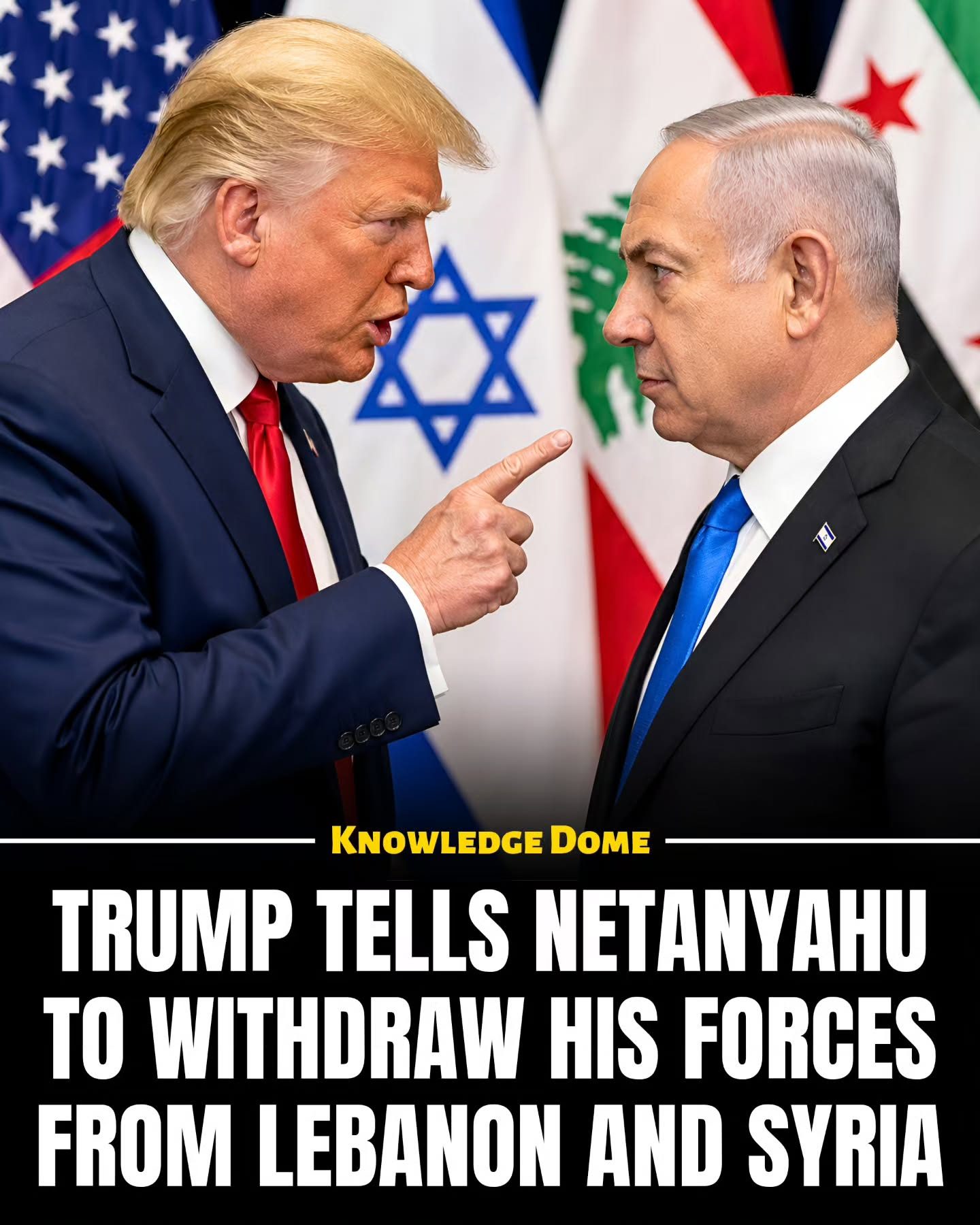
U.S. Pressure on Israel to Withdraw from Syria and Lebanon
The recent reports of U.S. President Donald Trump pressuring Israeli Prime Minister Benjamin Netanyahu to withdraw Israeli forces from Syria and Lebanon have sparked significant political discussions. This directive, allegedly given during a private call, marks a pivotal moment in the ongoing geopolitical dynamics of the Middle East.
Context / Why This Matters
The Middle East has long been a region of complex political and military tensions, with Syria and Lebanon serving as hotspots for conflict. The withdrawal of Israeli forces from these areas would have profound implications for regional stability and security.
Historical Background
Understanding the current situation requires a brief look at the historical context. Israeli forces have been active in Syria and Lebanon for various strategic reasons, including border security and countering threats from groups like Hezbollah. However, the fall of Bashar al-Assad’s government in Syria has altered the strategic landscape, prompting discussions about potential withdrawals.
Geopolitical Implications
The decision to withdraw forces comes at a time when both Syria and Lebanon are experiencing considerable instability. A full withdrawal could either escalate tensions or provide an opportunity for peace negotiations. The stability of the region is crucial for global security, given the presence of various international interests and the potential for broader conflicts.
Main Discussion
The direct pressure from Trump on Netanyahu to pull Israeli forces out of Syria and Lebanon is a significant political move. Let's break down the key aspects of this directive and the responses it has elicited.
Trump's Directive
According to reports, Trump's message to Netanyahu was clear: “They don’t want you there. You should redeploy.” This directive is framed as an effort to reduce tension in the Middle East and prevent the conflict from worsening. The aim is to encourage a peaceful resolution by minimizing the presence of Israeli forces in areas where they are seen as provocative.
Netanyahu's Resistance
Netanyahu has been resisting a full withdrawal, citing the need for security buffer zones near Israel's borders. These buffer zones are seen as essential for protecting Israel from future attacks or border raids, a concern exacerbated by the unstable political climate in the region. Netanyahu’s stance is backed by his right-wing allies, who advocate for maintaining control over the occupied areas.
Political Pressures
The timing of this directive is particularly sensitive. Netanyahu is facing a critical election in about three months, adding another layer of complexity to the situation. The pressure from both Washington and his political partners in Israel is making his position even more challenging. The delicate balance between domestic political considerations and international pressures is a key factor in shaping Netanyahu’s response to the directive.
Election Implications
Netanyahu's political future is deeply intertwined with this decision. A decision to withdraw could alienate his right-wing allies, who are staunch advocates for maintaining control over the occupied areas. Conversely, resisting the withdrawal could strain relations with the U.S., a crucial ally. This political tightrope walking is a significant challenge for Netanyahu, who must navigate both domestic and international pressures.
Practical Tips
For those following the developments in the Middle East, staying informed about key players and their motivations is essential. Here are some practical tips to navigate this complex landscape:
Stay Informed
Keep an eye on official statements from both the U.S. and Israeli governments. These statements can provide valuable insights into the evolving dynamics and potential shifts in policy.
Understand the Context
Historical and geopolitical context is crucial. Understanding the reasons behind the Israeli presence in Syria and Lebanon, as well as the implications of a withdrawal, can help in making sense of the current situation.
Follow Reliable Sources
Reliable news sources and expert analyses can provide a balanced view of the situation. Avoid sensationalism and stick to factual reporting.
Important Takeaways
Strategic Significance
The directive to withdraw Israeli forces from Syria and Lebanon highlights the strategic significance of these areas in the broader Middle East conflict. The presence or absence of Israeli forces can significantly impact regional stability.
Political Complexity
The political complexity of the situation underscores the delicate balance between international relations and domestic politics. This is particularly evident in the case of Netanyahu, who must navigate both U.S. pressures and internal political dynamics.
Security Implications
The need for security buffer zones and the potential risks of withdrawal are critical aspects to consider. The pullback from these areas could have far-reaching security implications for Israel and the broader region.
Conclusion
The U.S. pressure on Israeli Prime Minister Benjamin Netanyahu to withdraw forces from Syria and Lebanon is a pivotal moment in Middle Eastern geopolitics. The decision to withdraw or resist has significant implications for regional stability, security, and political dynamics. As the situation evolves, staying informed and understanding the underlying contexts will be essential for navigating this complex landscape.
Watch the Reel
Questions readers ask
What prompted Trump to pressure Netanyahu for troop withdrawal?
The specific motivations behind Trump's pressure on Netanyahu are not detailed. However, it aligns with Trump's stated desire to reduce U.S. involvement in foreign conflicts, which may have influenced his stance on Israeli forces remaining in Syria and Lebanon.
What are the potential implications for Syria if Israel withdraws?
An Israeli withdrawal from Syria could lead to a power vacuum, potentially allowing other regional actors, such as Iran, to gain more influence. It could also affect the ongoing Syrian civil war and the broader regional dynamics. Additionally, the withdrawal may impact the safety of Israeli settlements and communities near the Syria border.
How might Lebanon be affected by an Israeli troop withdrawal?
A withdrawal from Lebanon could influence the balance of power between Hezbollah, Lebanon’s government, and other regional players. It may also affect Lebanon's internal stability, as Hezbollah is a powerful internal actor with significant military capabilities.
What has been Netanyahu's public response to Trump's pressure?
Publicly, Netanyahu has not explicitly confirmed or denied the discussions about troop withdrawal. As a result, Netanyahu's stance on the matter remains largely unknown to the public.
How has the Israeli public reacted to the potential withdrawal?
Reactions from the Israeli public vary, with some supporting a withdrawal to reduce casualty risks and others opposing it due to security concerns and the perceived importance of Israeli presence in these regions. The situation is delicate and opinions are mixed.
Recent articles
Fresh deep dives from the latest Reels we unpacked.




Comments
Be the first to comment.