Political Tensions Between the U.S. and Iran
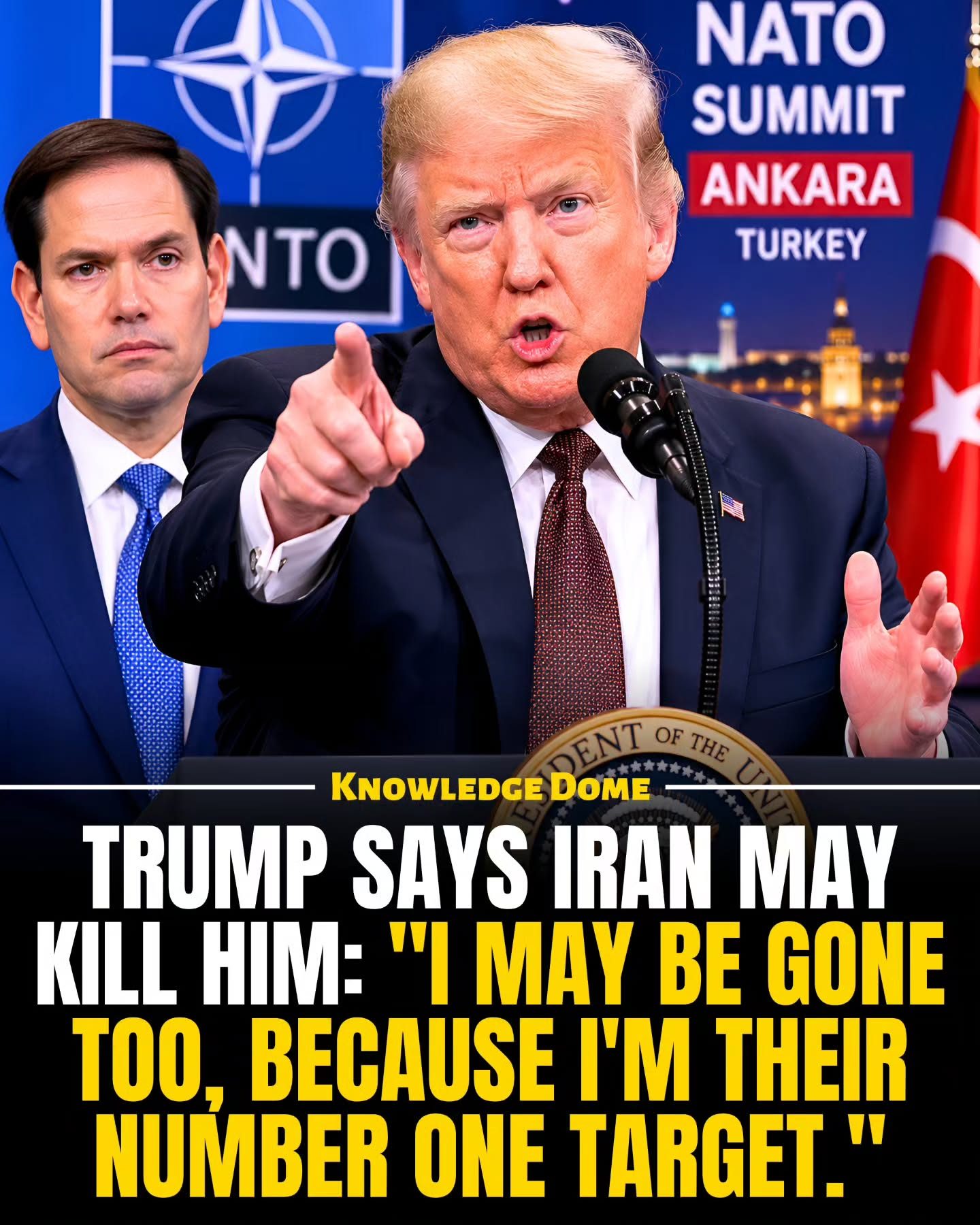
A recent escalation in tensions between the United States and Iran has put the global political climate on edge. The U.S. and Iran have been at odds for years, with a series of escalating conflicts. The latest development came during a press conference on July 8, 2026, after the NATO summit in Ankara, Turkey. President Donald Trump addressed the rising tensions, making a series of notable remarks about Iran and his perceived position on an alleged assassination list
Context / Why This Matters
The U.S. and Iran have long had a strained relationship, with conflicts flaring up periodically. The latest flare-up coincides with the breakdown of a short ceasefire and a series of incidents in the Strait of Hormuz. Since then, Iran has allegedly targeted commercial shipping, and the Trump administration has responded with airstrikes on Iranian military sites and drone bases.
This rise in tension underscores the ongoing geopolitical risks that could potentially escalate into a full regional conflict and destabilize the Middle East. Understanding the nuances of these tensions and the statements made by key figures is crucial for making sense of the current political landscape.
Trump's Remarks
During the press conference, President Donald Trump made a striking remark that he might be Iran's "number one target" on an alleged assassination list. He pointed out that the tensions were so high that some Iranian leaders were already gone, and he himself could be next.
The seriousness of the situation was further highlighted when, during his flight back on Air Force One, reporters were asked to close the window blinds due to possible security risks. When asked about the heightened security measures, Trump reiterated that he faces threats all the time and that he is the number one person on their list. This revelation underscores the severity of the threat and the precautions being taken to ensure the President's safety.
The Summit and the Situation
The NATO summit in Ankara, Turkey, provided the backdrop for Trump's remarks. This summit was significant because it brought together key world leaders to discuss global security and military cooperation. The fact that Trump chose to discuss the Iran situation at this summit underscores the importance of the issue and the potential consequences for NATO allies.
Trump's Humorous Take
In a somewhat unexpected twist, Trump made a joke to lighten the mood amidst the tense situation. He said he prefers being number one on TikTok more than being number one on a list for assassination attempts. This comment, while delivered in a light-hearted manner, highlights the duality of the situation: on one hand, there is a very real and dangerous threat, and on the other, there is a public figure trying to manage the tension with humor.
This dichotomy reflects the complex nature of political discourse and the delicate balance between maintaining a strong public image and addressing serious concerns.
The Potential for Conflict
Trump's remarks came on the heels of renewed conflict between the United States and Iran. The breakdown of a short ceasefire and the alleged targeting of commercial shipping in the Strait of Hormuz have exacerbated tensions. Following these incidents, the Trump administration ordered heavy airstrikes on Iranian military sites and drone bases, making it clear that any further aggression would be met with a forceful response.
Trump emphasized that the United States would strike back much harder if attacked again, but he also expressed hope that the situation would not escalate into a full regional war. This balance of firm deterrence and potential for diplomacy underscores the delicate nature of international relations and the need for careful management of such situations.
Practical Tips for Understanding Political Memes and Commentary
1. Context Matters
When encountering political memes and commentary, it's essential to understand the context in which they are made. The NATO summit in Ankara provided a crucial backdrop for Trump's remarks, influencing both the content and the tone of his statements.
2. Look for Official Statements
Official statements from key figures, such as Trump's remarks during the press conference, provide valuable insights into the political climate and the potential for conflict. These statements can offer a more nuanced understanding of the situation and the underlying tensions.
3. Consider the Tone
The tone of political statements can vary widely, from serious and cautionary to lighthearted and humorous. Understanding the tone can help in gauging the severity of the situation and the intentions behind the statements.
4. Analyze the Visuals
Visual elements, such as the manipulated image of Trump pointing with overlaid text, can add layers of meaning to political commentary. Analyzing these visuals can provide additional context and enhance your understanding of the message being conveyed.
5. Stay Informed
Political tensions and conflicts can evolve rapidly, making it crucial to stay informed about the latest developments. Keeping abreast of official statements, press conferences, and international summits can help you better understand the current political landscape.
Important Takeaways
1. The U.S. and Iran are at a critical juncture in their political relationship.
2. The breakdown of a ceasefire and subsequent airstrikes have heightened tensions.
3. Trump's remarks, while serious in nature, also included a touch of humor.
4. The NATO summit in Ankara served as a pivotal backdrop for Trump's comments.
5. The situation warrants close attention to prevent further escalation.
Conclusion
The recent escalation in tensions between the United States and Iran highlights the ever-changing nature of international relations. President Trump's remarks during the press conference and his subsequent statements underscore the potential for conflict and the need for careful diplomacy. By staying informed and analyzing the context, tone, and visuals of political commentary, we can better understand the complexities of global politics and the potential for future developments.
Watch the Reel
Questions readers ask
What recent events have heightened tensions between the U.S. and Iran?
Recent events such as the breakdown of a ceasefire and several incidents in the Strait of Hormuz have significantly increased tensions. Additionally, Iran's alleged targeting of key U.S. figures, including President Trump, has further strained relations. These developments have drawn global attention due to the potential for wider conflict and instability in the region.
Why did President Trump's remarks during the NATO summit in Ankara, Turkey, garner so much attention?
President Trump's remarks were particularly noteworthy because he addressed the rising tensions with Iran and mentioned his perceived position on an alleged assassination list. This direct acknowledgment of threats against him highlighted the personal stakes in the conflict and underscored the severity of the situation.
What is the significance of the Strait of Hormuz in the U.S.-Iran conflict?
The Strait of Hormuz is a crucial waterway for global oil trade, and incidents there can have serious economic and political repercussions. Recent incidents in the Strait of Hormuz have heightened tensions, as they involve critical maritime routes and could disrupt global oil supplies, thereby increasing the stakes in the conflict.
How have NATO and Turkey been involved in the escalating tensions?
The recent NATO summit in Ankara, Turkey, provided a platform for discussions on the rising tensions. President Trump's remarks during this summit brought attention to the Iranian threat, highlighting how regional alliances and international organizations are engaging with the conflict. Turkey's proximity and strategic importance in the region add further complexity to the situation.
What potential threats does the U.S.-Iran conflict pose to regional stability?
The escalating conflict between the U.S. and Iran poses significant threats to regional stability. The possibility of further military confrontations, disruptions in crucial waterways, and the destabilization of neighboring countries are all potential outcomes. These risks could draw in other regional players, leading to a broader conflict with widespread consequences.
What are the broader implications of Iran allegedly targeting U.S. figures, including President Trump?
The alleged targeting of U.S. figures, including President Trump, raises serious security concerns and could lead to retaliatory actions. It also complicates diplomatic efforts, as such threats can escalate tensions and make negotiations more difficult. The personalization of the conflict adds a layer of complexity, making it harder to resolve through traditional diplomatic channels.
Recent articles
Fresh deep dives from the latest Reels we unpacked.




Comments
Be the first to comment.