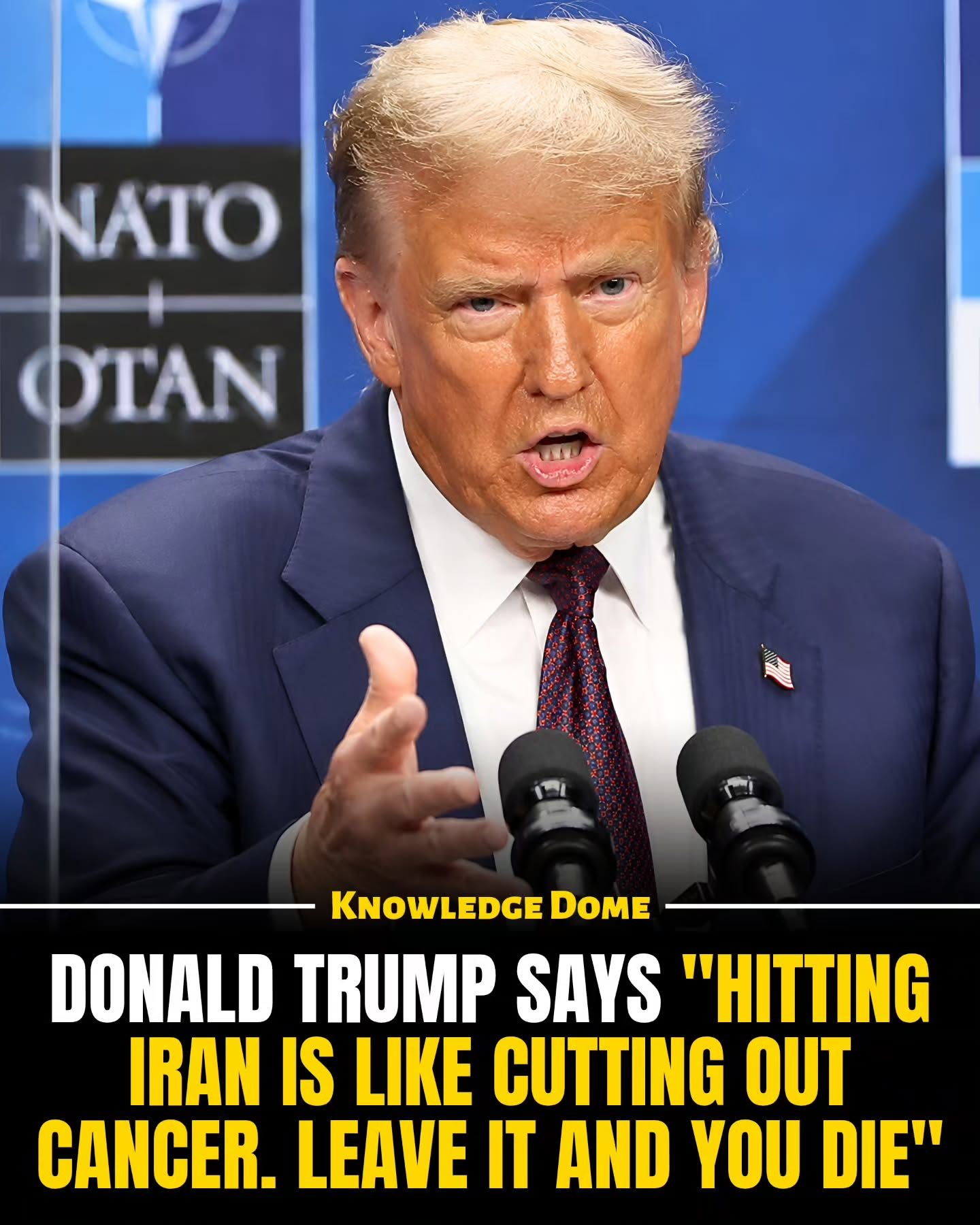
Ceasefire in the Strait of Hormuz
The Strait of Hormuz, a critical waterway for global oil and trade, has once again become a flashpoint of tension. President Donald Trump declared that the ceasefire with Iran is "over" following a surge in hostilities between the two nations. This escalation coincides with attacks on ships in the Strait of Hormuz, a key route for maritime trade and energy transport. The recent developments have raised fears of broader conflict in the Middle East.
Context / Why this matters
The Strait of Hormuz is a narrow waterway connecting the Persian Gulf to the Gulf of Oman and the Arabian Sea. It is one of the world's most strategically important maritime routes, as it allows the transport of approximately 20% of the world's petroleum supply. Any disruption in this area can have significant implications for global energy markets and geopolitical stability. The recent rise in hostilities, including attacks on ships and the exchange of strikes, has heightened tensions and led to concerns about potential broader consequences.
Hostilities and the potential for conflict
The rise in fighting between the U.S. and Iran has been marked by a series of confrontations in the Strait of Hormuz. The latest escalation comes after a series of attacks on ships, which have further strained the already tense relationship. These incidents have raised alarms about potential wider conflict.
Trump's declaration that the ceasefire is "over" underscores the seriousness of the situation. He has called for the U.S. military to be prepared for potential actions from Iran, including the possibility of an assassination attempt on him. This warning suggests that the U.S. is taking the threat seriously and is prepared for various contingencies.
Tensions and potential for conflict
The U.S. has accused Iran of involvement in the attacks on ships in the Strait of Hormuz. These attacks have disrupted maritime trade and led to fears of broader conflict. The U.S. has responded with fresh strikes against Iranian targets, further escalating tensions.
Trump has explicitly warned Iran about potential retaliatory actions, including the use of American missiles. This has raised concerns about the potential for a full-blown conflict between the two nations. The U.S. has also called for the international community to condemn Iran's actions and has sought to isolate it diplomatically.
The role of NATO
The background of the visual shows the acronyms 'NATO' and 'OTAN' — the Organization of the North Atlantic Treaty, a defensive alliance. This highlights the broader strategic considerations in the region. NATO, which includes the U.S. and many European countries, has a significant presence in the Middle East and has been involved in various military operations in the region. The alliance plays a crucial role in maintaining regional stability and has been a key player in previous conflicts involving Iran.
Diplomatic efforts and the future of the conflict
Even as tensions remain high, there are ongoing efforts to resolve the conflict through diplomatic means. The U.S. and Iran continue to discuss potential talks, but the situation remains highly volatile. The Strait of Hormuz has now emerged as one of the most significant pressure points in the ongoing conflict between the two nations.
The importance of diplomacy
Diplomatic efforts are crucial in preventing a full-blown conflict. The U.S. and Iran have a history of negotiations and have engaged in talks on various issues, including the nuclear deal. The current situation highlights the need for continued dialogue and diplomacy to resolve the ongoing crisis.
Potential for de-escalation
Despite the current tensions, there is still potential for de-escalation. The U.S. and Iran have shown a willingness to engage in talks in the past, and continued diplomatic efforts could help to defuse the situation. However, any resolution will require both sides to make significant concessions and demonstrate a willingness to work towards a peaceful solution.
The Strait of Hormuz remains a critical flashpoint in the ongoing conflict between the U.S. and Iran. The current situation is highly volatile, and the potential for further escalation remains high. However, there is still hope for a diplomatic resolution, and continued efforts to engage in talks and negotiations are essential to preventing a wider conflict.
Practical tips for staying informed
Navigating the complexities of geopolitical conflicts can be challenging. Here are some practical tips to stay informed and understand the situation better:
Follow reliable sources
Stay informed by following reliable news sources. Major international news outlets, think tanks, and government statements can provide valuable insights into the ongoing situation.
Understand the broader context
The Strait of Hormuz is just one part of a broader geopolitical landscape. Understanding the historical context, regional dynamics, and strategic interests of the involved parties can help you make sense of the latest developments.
Engage in informed discussions
Participate in informed discussions about the conflict. Engaging with others who have different perspectives can help you gain a more nuanced understanding of the situation.
Important takeaways
The current situation in the Strait of Hormuz highlights the complexities of geopolitics in the Middle East. The ongoing conflict between the U.S. and Iran has significant implications for global energy markets, regional stability, and international security. Here are some key takeaways:
Strategic importance
The Strait of Hormuz is a critical waterway for global oil and trade. The recent escalation highlights the strategic importance of the region and the potential consequences of any disruptions.
Diplomatic efforts
Diplomacy plays a crucial role in resolving conflicts. Despite the current tensions, diplomatic efforts remain essential for preventing a broader conflict and finding a peaceful resolution.
Conclusion
The current situation in the Strait of Hormuz is a complex and evolving geopolitical landscape. The ongoing conflict between the U.S. and Iran has far-reaching implications for global energy markets, regional stability, and international security. Understanding the broader context, following reliable sources, and engaging in informed discussions can help you make sense of the latest developments and stay informed about the situation.
Watch the Reel
Questions readers ask
What prompted President Trump to declare the ceasefire with Iran is 'over'?
President Trump's declaration came in response to a series of escalating incidents, including attacks on ships in the Strait of Hormuz. These events raised concerns about the security of global oil and maritime trade, leading to heightened tensions between the United States and Iran.
Why is the Strait of Hormuz significant in this context?
The Strait of Hormuz is a crucial waterway for global oil and trade, facilitating the transport of approximately 20% of the world's petroleum supply. Disruptions in this route can have worldwide economic impacts, making it a strategic point of interest in the ongoing tensions.
What are the potential implications of escalating tensions in the Strait of Hormuz?
Escalating tensions in the Strait of Hormuz could lead to broader conflict in the Middle East. This could disrupt global oil supplies, destabilize regional politics, and potentially draw in other international players, making it a critical issue for global stability and commerce.
What role does Iran play in the recent attacks on ships in the Strait of Hormuz?
Iran has been implicated in recent attacks on ships in the Strait of Hormuz, contributing to the rising hostilities. These attacks have been a significant factor in the escalation of tensions between Iran and the United States, leading to President Trump's declaration that the ceasefire is over.
How might the international community respond to these rising tensions?
The international community may respond through diplomatic efforts, economic sanctions, or even military intervention. Countries reliant on oil from the Middle East will be particularly concerned, and global powers may take steps to ensure the security of their oil supplies and maritime trade routes.
What are the potential impacts on global oil supply if tensions continue to rise?
If tensions continue to rise, there could be significant disruptions to the global oil supply, as the Strait of Hormuz is a vital corridor for 20% of the world's petroleum. This could lead to increased oil prices, economic instability, and potential shortages in countries dependent on Middle Eastern oil.
Recent articles
Fresh deep dives from the latest Reels we unpacked.




Comments
Be the first to comment.