Criticisms of Israel’s Military Actions in Lebanon and Syria Involvement
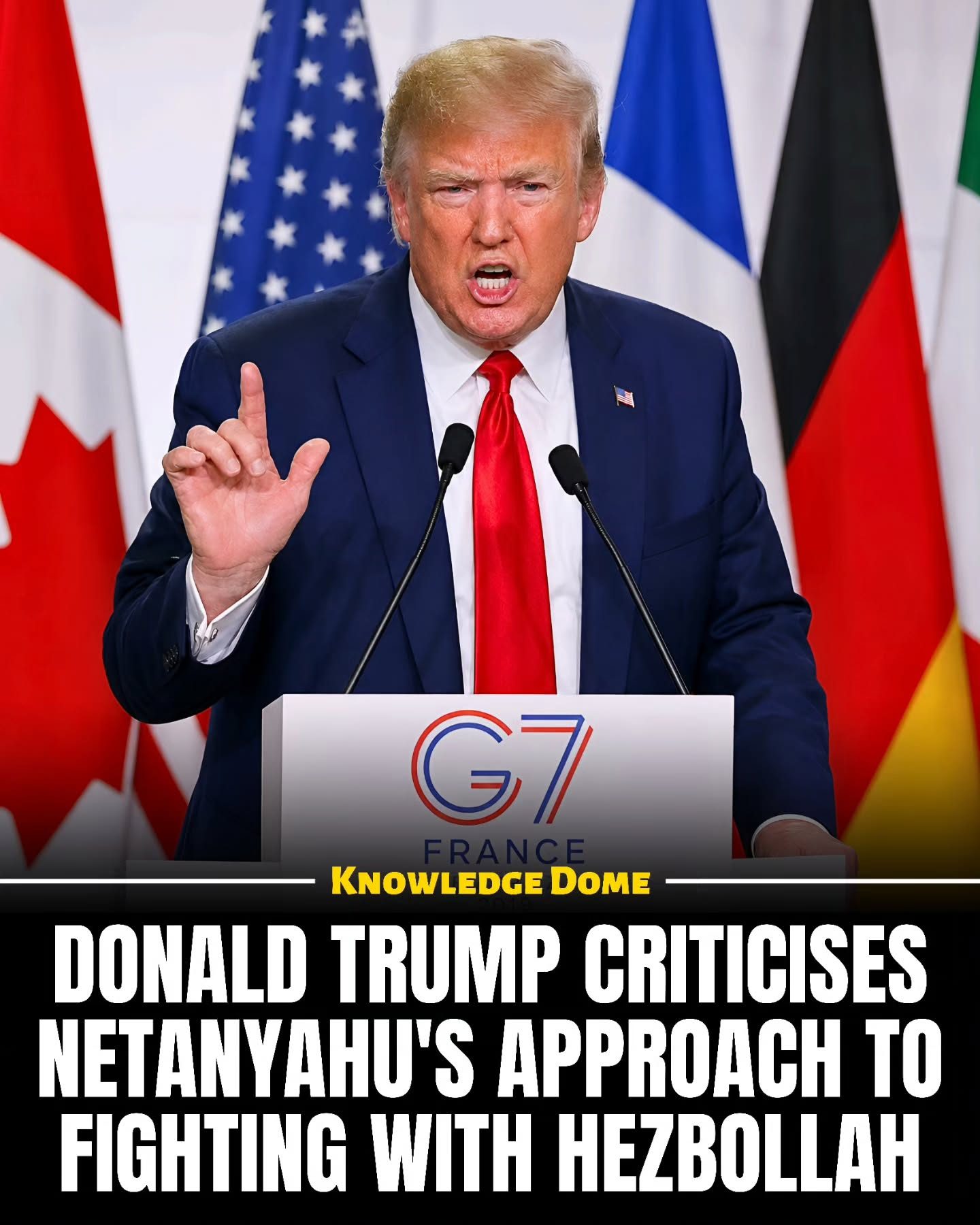
At the G7 summit in France on June 16, 2026, U.S. President Donald Trump openly criticized Israel’s military actions in Lebanon against Hezbollah. His remarks highlighted concerns about civilian casualties and the prolonged conflict, while also suggesting an unconventional solution to the ongoing struggle.
Why This Matters
The G7 summit, a gathering of leaders from seven of the world's largest economies, is a stage where global issues are addressed, and decisions impacting international relations are made. Trump's comments at this summit have significant implications for U.S.-Israel relations, the broader Middle East, and the ongoing conflict between Israel and Hezbollah. Understanding the context and details of these remarks is essential for grasping the complexities of the geopolitical landscape in the region.
Points of Criticism and Suggested Approaches
Civilian Casualties
One of the most striking aspects of Trump's statements was his emphasis on civilian safety. He underscored that the conflict has resulted in significant civilian deaths, which he deemed unacceptable. This concern was particularly poignant as he highlighted that many families reside in the targeted buildings, making them collateral damage in the Israel-Hezbollah conflict.
Prolonged Conflict
Trump’s critique extended to the duration of the fighting, suggesting that the prolonged nature of the conflict was detrimental to all parties involved. His comments reflected a growing international sentiment that such drawn-out conflicts often lead to increased suffering and instability, with no clear path towards resolution.
Targeting Buildings
The president highlighted the need for greater precision in targeting buildings that house both Hezbollah operatives and civilians. He pointed out that indiscriminate targeting could result in the loss of innocent lives and further entrench the conflict. Trump’s suggestion was not just about minimizing casualties but also about maintaining a strategic balance in the fight against Hezbollah.
Syria’s Potential Involvement
Reasons for the Suggestion
In an unexpected turn, Trump proposed that Syria take over the fight against Hezbollah, suggesting that Syria could do a better job. This proposal, while controversial, reflected a possible strategic recalibration in the ongoing conflict.
Potential Risks and Benefits
Risks
The suggestion that Syria could take over the conflict against Hezbollah carries significant risks. Syria, already embroiled in its own civil war, faces internal instability and political fragmentation. The potential for Syrian intervention in Lebanon could exacerbate existing tensions, leading to further conflict and chaos in the region.
Benefits
On the other hand, involving Syria in the conflict could potentially reduce the burden on Israeli forces, allowing them to refocus their efforts on internal security and defense. Trump’s proposal, though unconventional, could be seen as a pragmatic solution to a complex problem, especially if it were to lead to a reduction in civilian casualties and a more effective strategy against Hezbollah.
International Relations
Impact on U.S.-Israel Relations
Despite his criticism, Trump’s assertion that he maintains a good relationship with Israeli Prime Minister Benjamin Netanyahu is noteworthy. This statement indicates that the criticisms are not indicative of a broader rift between the two leaders but rather a reflection of Trump’s concerns about the conflict.
Global Implications
The G7 summit is a critical platform for global diplomacy. Trump’s remarks reflect broader concerns about the Middle East conflict and the need for a more effective strategy. His comments at the G7 summit have implications for international perceptions of the U.S. approach to the conflict and could influence future diplomatic efforts in the region.
Practical Tips
For those interested in understanding and engaging with geopolitical issues, here are a few practical tips:
Stay Informed
Keeping abreast of developments in the Middle East, particularly the Israel-Hezbollah conflict, is crucial. Follow reliable news sources that provide in-depth analysis and different perspectives on the ongoing conflict.
Understand the Context
Geopolitical issues are complex and deeply rooted in historical, cultural, and political contexts. A nuanced understanding of the background can provide a clearer picture of current events and their implications.
Engage in Dialogue
Engaging in constructive dialogue with others who have different viewpoints can broaden your perspective and help you better understand the complexities of geopolitical issues.
Important Takeaways
The Need for Precision in Military Actions
The emphasis on precision in military actions underscores the importance of minimizing civilian casualties and avoiding collateral damage.
The Role of International Diplomacy
International summits like the G7 play a crucial role in shaping global politics and addressing complex issues. The statements made by world leaders at such events can have far-reaching implications.
The Complexity of Geopolitical Conflicts
Geopolitical conflicts are often multifaceted, involving various stakeholders and dynamic factors. Understanding these complexities is essential for navigating the intricacies of global politics.
Conclusion
The G7 summit in France on June 16, 2026, provided a platform for U.S. President Donald Trump to voice his concerns about Israel’s military actions in Lebanon. His criticisms and suggestions reflect deeper issues related to civilian safety, the prolonged nature of the conflict, and the potential involvement of Syria. Understanding these points and their implications is crucial for grasping the complexities of the Middle East conflict and the broader geopolitical landscape.
Watch the Reel
Questions readers ask
What specific criticisms did President Trump voice against Israel's military operations in Lebanon?
During the G7 summit in France, President Trump expressed concerns about the high number of civilian casualties resulting from Israel's military actions in Lebanon. He also pointed out the prolonged nature of the conflict and suggested that Israel could benefit from more precise targeting of Hezbollah forces to reduce collateral damage and hasten the end of the conflict.
What was the significance of Trump's comments being made at the G7 summit?
The G7 summit is a high-profile gathering of world leaders, and Trump's comments there carried significant weight. His remarks have the potential to influence international relations, particularly between the U.S. and Israel, and could impact the broader dynamics of the Middle East.
How did Trump's criticism of Israel's military strategy impact U.S.-Israel relations?
Trump's public criticism of Israel's military strategy in Lebanon marked a notable shift in U.S. rhetoric, and was somewhat surprising to many. It could potentially strain relations between the U.S. and Israel, as the two countries typically maintain a strong alliance. The comments also highlighted a difference in opinion between Trump and Israeli Prime Minister Benjamin Netanyahu, who had previously met with Trump to discuss the conflict.
What was the broader context of Trump's comments on the Israel-Lebanon conflict?
Trump's comments came during a time of ongoing conflict between Israel and Hezbollah in Lebanon. The conflict had resulted in significant civilian casualties, and Trump's remarks reflected a desire to address the humanitarian impact of the fighting. His suggestion for more precise targeting indicated a potential shift in U.S. policy towards the conflict, emphasizing the need for a solution that minimizes civilian harm.
Did Trump's criticism of Israel's military actions extend to its involvement in Syria?
In the same meeting, Trump also spoke about Syria, though the remarks were not as direct. Trump discussed his desire for a more comprehensive solution to the conflict in Syria, suggesting that the U.S. approach to Syria could also benefit from a more focused and precise military strategy, targeting key areas and actors.
Recent articles
Fresh deep dives from the latest Reels we unpacked.




Comments
Be the first to comment.