The Iran-U.S. 14-Point Interim Peace Deal: A Breakdown
The U.S. and Iran have reached a 14-point interim peace deal, marking a significant development in the ongoing tensions between the two nations. This deal, which includes a 60-day talks period, is not the final agreement but serves as a crucial step towards a more comprehensive deal. The primary focus of the ongoing negotiations is Iran’s nuclear program and the Strait of Hormuz.
Context / Why this matters
The interim peace deal between the U.S. and Iran is a vital step in efforts to pause the fighting and provide a window for constructive dialogue. The deal aims to address critical issues, including Iran’s nuclear ambitions and the control of the Strait of Hormuz, a strategic waterway crucial for global oil trade. Both sides are expected to leverage this 60-day period to work towards a more comprehensive and lasting agreement.
Main discussion
The 14-Point Interim Peace Deal
The 14-point interim peace deal is designed to create a pause in hostilities, allowing both sides to negotiate a more extensive deal. This deal is particularly important in light of recent escalations, including the worsened fighting between Israel and Hezbollah in Lebanon. The postponement of planned talks in Switzerland, due to Vice President JD Vance’s cancellation of travel to Geneva, underscores the challenges and uncertainties in the current geopolitical landscape.
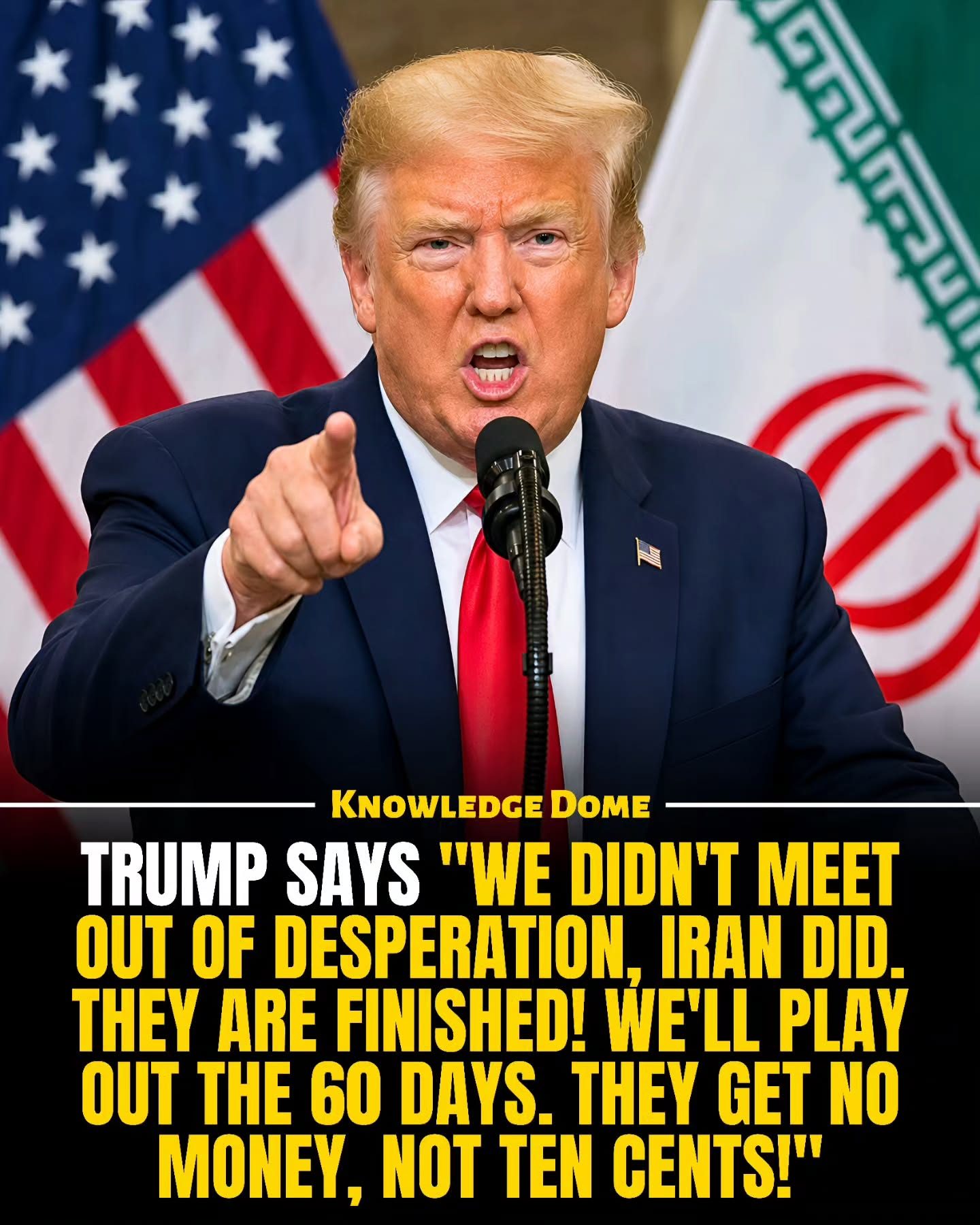
Donald Trump has been vocal about the deal, asserting that Iran will not receive any financial assistance during the 60-day window. He claimed that Iran came into the talks from a position of weakness, following recent war damage to its military infrastructure.
Key Points of the Deal
The deal includes several key points:
- Pause in Hostilities: The primary objective is to create a temporary ceasefire, allowing both sides to negotiate without the pressure of ongoing conflict.
- Nuclear Program: The 14-point deal aims to address Iran’s nuclear program, a long-standing point of contention. Ongoing discussions will focus on limiting Iran’s nuclear capabilities and ensuring compliance with international standards.
- Strait of Hormuz: Control and security of the Strait of Hormuz will be a critical topic during the 60-day talks. This waterway is vital for global oil trade, and any disruption can have significant economic repercussions.
Challenges and Setbacks
The path to a comprehensive deal is fraught with challenges. Recent escalations between Israel and Hezbollah have complicated the situation, making it difficult to move forward with the planned talks in Switzerland. The cancellation of Vice President JD Vance’s travel to Geneva and the subsequent postponement of the talks highlight the delicate nature of the negotiations.
Donald Trump's Stance
Donald Trump has defended the deal on Truth Social, emphasizing that Iran will receive no financial assistance during the 60-day period. He claims that Iran’s weakened state, due to recent military setbacks, puts the U.S. in a stronger negotiating position. This stance aligns with the U.S. approach to leverage its position of strength to negotiate a more favorable deal.
Practical Tips
Staying Informed
For those interested in staying informed about the ongoing negotiations, it is essential to follow reliable news sources. Understanding the key points of the interim peace deal and the broader geopolitical context can provide valuable insights into the potential outcomes of the talks.
Engaging in Constructive Dialogue
Both the public and policymakers can contribute to constructive dialogue by encouraging negotiations and supporting efforts to achieve a lasting peace. Engaging in informed discussions and advocating for diplomatic solutions can help in creating a more stable and secure environment.
Important Takeaways
The 14-point interim peace deal between the U.S. and Iran represents a significant step towards resolving long-standing tensions. The 60-day talks period provides a crucial window for both sides to work on a more comprehensive agreement, addressing critical issues such as Iran’s nuclear program and the control of the Strait of Hormuz. Staying informed and engaging in constructive dialogue can play a vital role in achieving a lasting peace.
Conclusion
The interim peace deal is a pivotal moment in the ongoing negotiations between the U.S. and Iran. While challenges and setbacks persist, the 60-day talks period offers a valuable opportunity to address critical issues and work towards a more comprehensive and lasting agreement. By staying informed and engaging in constructive dialogue, both the public and policymakers can contribute to achieving a stable and secure future.
Watch the Reel
Questions readers ask
What are the key topics addressed in the 14-point Iran deal?
The 14-point interim deal focuses on two primary issues: Iran's nuclear program and the control of the Strait of Hormuz. These topics are crucial for regional stability and global oil trade.
Why is the Strait of Hormuz significant in the U.S.-Iran talks?
The Strait of Hormuz is a strategic waterway through which a significant portion of the world's oil supply passes. Control over this strait is vital for both regional security and global energy markets, making it a key point of discussion in the talks.
What does the 60-day window in the interim peace deal entail?
The 60-day window is a period designated for talks and negotiations between the U.S. and Iran. During this time, both countries will work to address the outlined issues. This is not the final agreement, but a crucial step towards a more comprehensive deal.
Why did President Trump state that Iran will receive no funds during the talks?
President Trump's statement that Iran will not receive funds during the talks is aimed at ensuring that any negotiations are not incentivized by financial gains for Iran. This stance is likely to influence the dynamics of the ongoing negotiations.
What is the significance of the interim peace deal between the U.S. and Iran?
The interim peace deal is significant because it provides a structured framework for dialogue and negotiation to pause the ongoing conflict. It aims to address critical issues, helping to pave the way for a more comprehensive and lasting peace agreement between the two nations.
What happens after the 60-day window?
After the 60-day window, the U.S. and Iran will assess the progress made during the talks. Depending on the outcome, they may extend the talks, work towards a more comprehensive agreement, or consider other steps to address the issues at hand.
Recent articles
Fresh deep dives from the latest Reels we unpacked.




Comments
Be the first to comment.