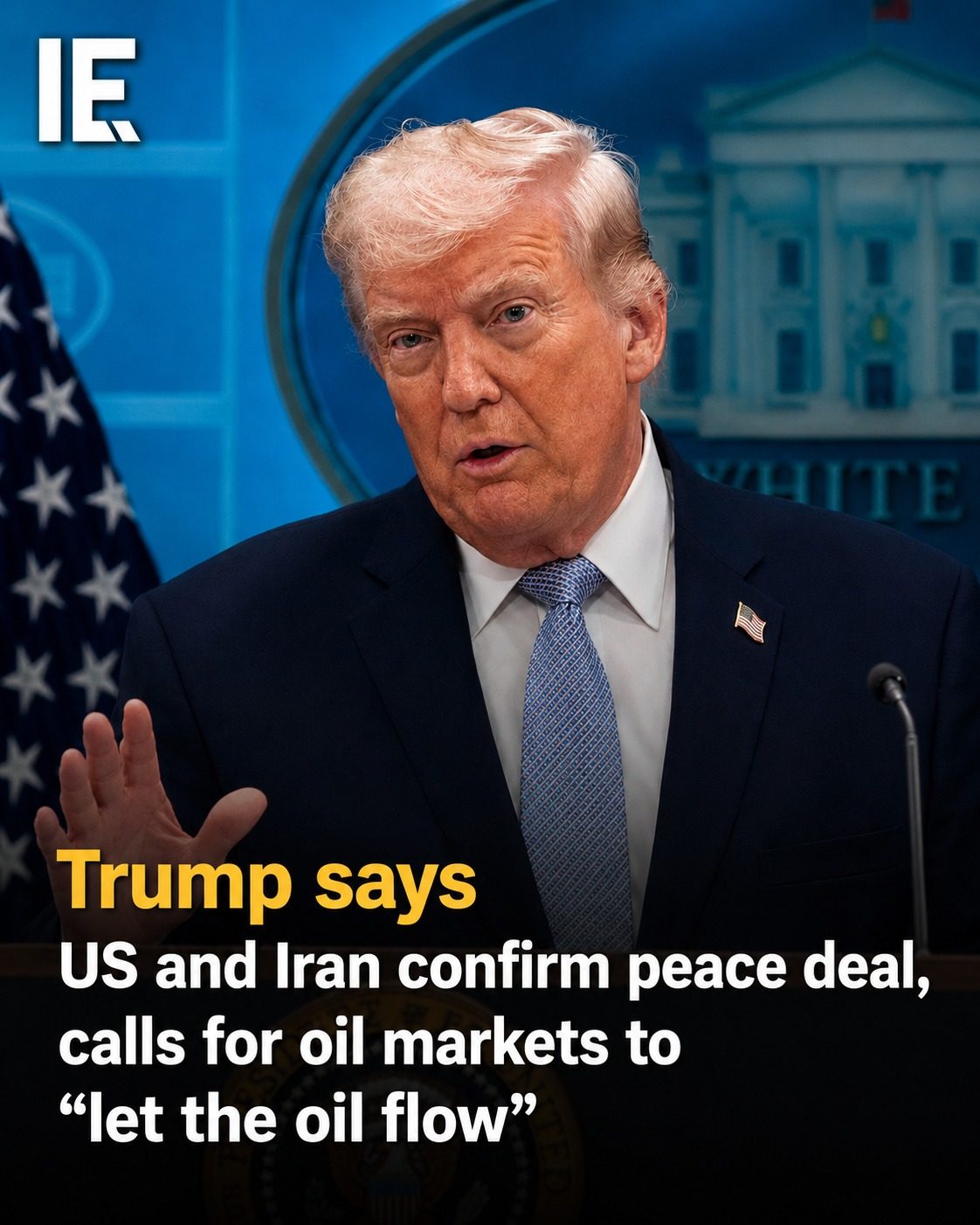
U.S. and Iran Confirm Peace Deal
The confirmation of a peace agreement between the United States and Iran has significant implications for geopolitical stability in the Middle East. Former U.S. President Donald Trump, during a press conference at the White House, emphasized the importance of this development and its potential to ease regional tensions.
Context / Why this Matters
The Middle East is a critical region for global energy supplies, with significant amounts of the world's oil passing through its waters. Any disruption in this region can have severe consequences for global energy markets. The potential easing of tensions between the U.S. and Iran, two major players in the region, could reduce the risk of such disruptions.
Moreover, this peace deal could have broader implications for stability in the region. The U.S. and Iran have been at odds for decades, and their conflict has often spilled over into broader regional conflicts. A peace agreement could help reduce these tensions and create a more stable environment for all countries in the region.
Main Discussion
The Peace Agreement
The peace agreement between the U.S. and Iran marks a significant shift in the geopolitical landscape of the Middle East. The agreement comes after years of diplomatic efforts and negotiations. The details of the agreement have not been fully disclosed, but it is clear that it involves significant concessions from both sides.
Oil Markets and Global Energy Supplies
One of the most immediate impacts of the peace agreement is expected to be on global oil markets. The Middle East is a critical region for global energy supplies, and any disruption in this region can have severe consequences for global energy markets. The potential easing of tensions between the U.S. and Iran, two major players in the region, could reduce the risk of such disruptions.
The statement made by Trump, "let the oil flow," underscores the importance of this agreement for global energy supplies. It suggests that the agreement will ensure the continued flow of oil from the Middle East to the rest of the world, reducing concerns over potential disruptions.
Geopolitical Implications
The peace agreement could have broader implications for stability in the region. The U.S. and Iran have been at odds for decades, and their conflict has often spilled over into broader regional conflicts. A peace agreement could help reduce these tensions and create a more stable environment for all countries in the region.
Moreover, the agreement could have implications for other regional conflicts. For example, it could help to reduce tensions between Iran and its neighbors, such as Saudi Arabia and Israel. It could also help to reduce tensions between the U.S. and other countries in the region, such as Iraq and Syria.
Practical Tips
For investors and traders in the global energy markets, the peace agreement between the U.S. and Iran presents both opportunities and risks. Here are some practical tips to navigate this complex landscape:
- Stay Informed: Keep up-to-date with the latest developments in the Middle East and their potential impact on global oil markets. This could involve following news sources, industry reports, and expert analyses.
- Diversify Your Portfolio: Consider diversifying your portfolio to include a range of energy sources and regions. This could help to mitigate the risks associated with any potential disruptions in the Middle East.
- Monitor Oil Prices: Keep a close eye on oil prices, as they can be a leading indicator of market sentiment and potential disruptions. This could involve using tools like charts, technical analysis, and trading algorithms.
Important Takeaways
The peace agreement between the U.S. and Iran is a significant development in global geopolitics. It has the potential to ease tensions in the Middle East, reduce disruptions to global energy supplies, and create a more stable environment for all countries in the region.
The statement made by Trump, "let the oil flow," underscores the importance of this agreement for global energy supplies. It suggests that the agreement will ensure the continued flow of oil from the Middle East to the rest of the world, reducing concerns over potential disruptions.
Finally, for investors and traders, the agreement presents both opportunities and challenges. By staying informed, diversifying their portfolios, and monitoring oil prices, they can navigate this complex landscape and make informed decisions.
Conclusion
The peace agreement between the U.S. and Iran is a significant development with far-reaching implications. It has the potential to ease tensions in the Middle East, reduce disruptions to global energy supplies, and create a more stable environment for all countries in the region. For investors and traders, the agreement presents both opportunities and challenges, requiring a careful and informed approach.
Watch the Reel
Questions readers ask
What are the potential benefits of the US-Iran Peace Deal for global oil markets?
The US-Iran Peace Deal could significantly enhance global oil markets' stability. By reducing tensions, it may prevent potential disruptions in oil flow from the Middle East, which supplies a large portion of the world's oil. This could lead to more predictable oil prices and better supply security.
What does Donald Trump's statement 'let the oil flow' imply about the deal's significance?
Trump's statement 'let the oil flow' suggests that one of the key objectives of the peace deal is to ensure uninterrupted oil supplies from the Middle East. It indicates a focus on economic and energy security, which are crucial for global stability and trade.
How might the US-Iran Peace Deal impact Middle East stability?
The peace deal could significantly reduce geopolitical tensions between the U.S. and Iran, two influential nations in the region. This easing of tensions could lead to a more stable Middle East, minimizing the risk of conflicts that often disrupt not only regional stability but also global oil supplies.
What role does oil play in the context of the US-Iran Peace Deal?
Oil is a central factor in the US-Iran Peace Deal due to the Middle East's status as a critical region for global energy supplies. The deal aims to prevent disruptions in oil flow, which could otherwise have severe consequences for global energy markets and economies.
How might the US-Iran Peace Deal influence US-Iran relations?
The peace deal represents a significant shift in US-Iran relations, moving away from decades of tension and friction. By formalizing a peace agreement, the U.S. and Iran can potentially build a more cooperative relationship, which could have broader implications for regional and global politics.
What are the potential broader implications of the US-Iran Peace Deal?
Beyond the Middle East, the peace deal could have broader implications for global trade, diplomacy, and security. A more stable Middle East could encourage greater cooperation among nations, reduce the risk of global conflicts, and foster a more secure environment for international trade and commerce.
What specific actions might the US and Iran take to ensure the oil flow as part of the peace deal?
To ensure the oil flow, both nations might take steps such as increasing maritime security in the region, collaborating on energy projects, and establishing joint monitoring mechanisms to prevent disruptions. These actions can help maintain the stability of global oil markets and support economic growth.
Recent articles
Fresh deep dives from the latest Reels we unpacked.




Comments
Be the first to comment.