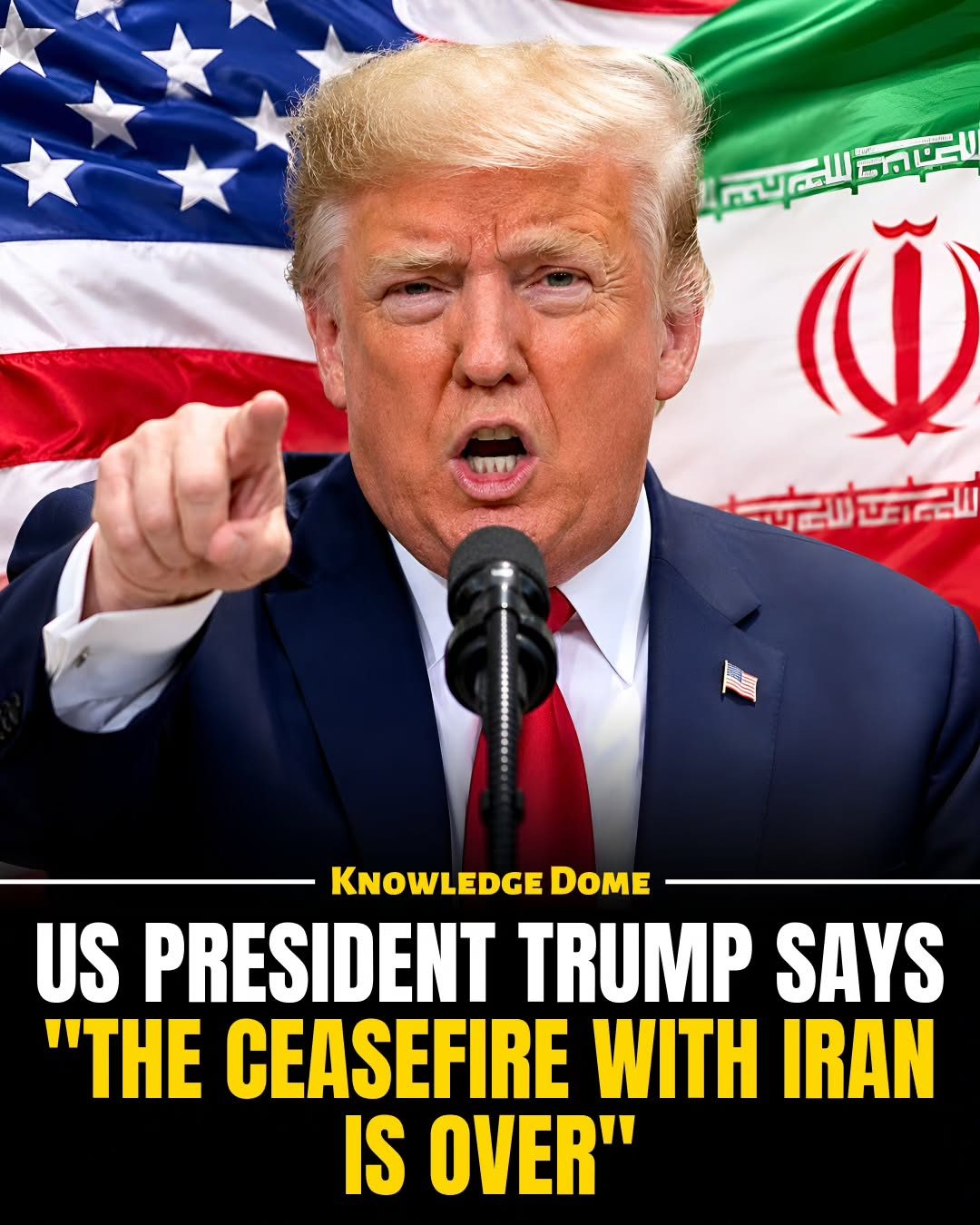
The Escalation of Tensions Between the U.S. and Iran
The temporary ceasefire between the U.S. and Iran has ended, marking a significant escalation in the ongoing conflict. U.S. President Donald Trump announced this development during a strong speech on the sidelines of the NATO summit in Ankara, Turkey. This decision comes after a rapid increase in hostilities, with both sides engaging in retaliatory actions.
Context: Why This Matters
The Strait of Hormuz, a critical waterway for global oil trade, has become a focal point in this conflict. Recent attacks on commercial ships and military targets have raised concerns about the stability of global oil supplies and the potential disruption of international shipping routes.
Escalation of Hostilities
Initial Attacks and Airstrikes
The ceasefire began to unravel after suspected Iranian forces attacked three commercial ships in the Strait of Hormuz. This strategic waterway is vital for global oil trade, handling approximately 21 million barrels of crude oil per day. In response, the U.S. Central Command launched heavy airstrikes on over 80 to 90 Iranian military targets. These targets included drone storage sites, coastal surveillance systems, and air defense equipment along the Iranian coast.
Iranian Retaliation
Following the U.S. airstrikes, Iran retaliated by launching missiles and drones at U.S. military bases in Kuwait and Bahrain. This back-and-forth escalation has prolonged the conflict, which has now entered its fifth month. Trump emphasized that the U.S. will not pause its military campaign, indicating a willingness to continue the conflict until Iran's nuclear capabilities are significantly reduced.
Economic Implications
The ongoing conflict has already started to impact the global economy. Oil prices have surged, with Brent crude rising above $78 a barrel and WTI moving past $73. Iran has threatened to close the Strait of Hormuz if the attacks continue, which could further disrupt global shipping and fuel prices. The economic repercussions of such a move would be significant, affecting countries and industries heavily reliant on oil.
Diplomatic Efforts
Despite the escalating tensions, diplomatic channels remain open. Countries like Pakistan have urged both sides to step back and engage in dialogue to prevent further escalation. Trump's stance, however, suggests a more aggressive approach, focusing on the denuclearization of Iran rather than diplomatic resolution.
Trump's Stance on Diplomacy
Trump's rhetoric has been notably aggressive, labeling Iran’s leaders as "liars" and "scum." He indicated that continuing peace talks is a waste of time, given the current situation. This hardline approach has implications for future diplomatic efforts and the potential for a peaceful resolution.
Key Points of the Conflict
Military Actions
The conflict has seen a series of military actions, including:
- Iranian attacks on commercial ships in the Strait of Hormuz
- U.S. airstrikes on Iranian military targets
- Iranian retaliatory strikes on U.S. military bases in Kuwait and Bahrain
Economic Impact
The conflict has led to:
- Surge in oil prices
- Threat of closure of the Strait of Hormuz, impacting global shipping and fuel prices
Diplomatic Efforts
Efforts to de-escalate the conflict include:
- Open diplomatic channels
- Urging both sides to engage in dialogue
Practical Tips for Understanding the Conflict
To better understand the ongoing conflict, consider the following:
- Stay Informed: Follow reliable news sources to stay updated on the latest developments.
- Understand the Stakeholders: Familiarize yourself with the key players, including the U.S. and Iran, and their interests in the Strait of Hormuz.
- Economic Impact: Monitor how the conflict affects global oil prices and shipping routes.
Important Takeaways
The escalation of tensions between the U.S. and Iran has significant implications for global security and the economy. Key takeaways include:
- The ceasefire has ended, leading to active hostilities
- Military actions have targeted crucial infrastructure and military assets
- Economic impacts include surging oil prices and potential disruption of global shipping
- Diplomatic efforts are ongoing, but the conflict remains volatile
Conclusion
The end of the ceasefire between the U.S. and Iran signals a new phase in the conflict, with both sides engaged in military actions and escalating tensions. The economic and diplomatic fallout from this conflict will continue to shape global events in the coming months.
Watch the Reel
Questions readers ask
What prompted President Trump to end the ceasefire with Iran?
President Trump announced the end of the ceasefire with Iran following a series of retaliatory actions from both sides. This decision was made amidst heightened tensions and a rapid increase in hostilities, leading to a significant escalation in the ongoing conflict between the U.S. and Iran.
What is the significance of the Strait of Hormuz in this conflict?
The Strait of Hormuz is a critical waterway for global oil trade. Recent attacks on commercial ships and military targets in this region have raised concerns about the stability of global oil supplies and the potential disruption of international shipping routes.
What are the implications of the U.S. and Iran's military engagement on global oil supplies?
The escalating tensions and military actions between the U.S. and Iran could lead to disruptions in the Strait of Hormuz, a key route for global oil supplies. This could result in increased volatility in oil prices and potential shortages, impacting economies worldwide.
How has the conflict affected international shipping routes?
The conflict has raised concerns about the safety and stability of international shipping routes, particularly in the Strait of Hormuz. Attacks on commercial ships in the region have increased the risk for maritime trade, potentially leading to rerouted or delayed shipments.
What actions has Iran taken in retaliation to U.S. policies?
Iran has engaged in various retaliatory actions, including attacks on commercial ships and military targets in the Strait of Hormuz. These actions are in response to U.S. policies and sanctions, contributing to the escalation of tensions between the two nations.
What did Trump's ceasefire announcement entail?
President Trump's ceasefire announcement marked the end of a temporary pause in hostilities between the U.S. and Iran. This declaration indicated a willingness to continue military engagement, further heightening tensions in the region.
What might be the next steps in the U.S. and Iran's military engagement?
With the end of the ceasefire, the U.S. has indicated a willingness to continue military engagement. This could involve further retaliatory actions, increased military presence in the region, and potential escalations in conflict, depending on Iran's responses and other geopolitical factors.
Recent articles
Fresh deep dives from the latest Reels we unpacked.




Comments
Be the first to comment.