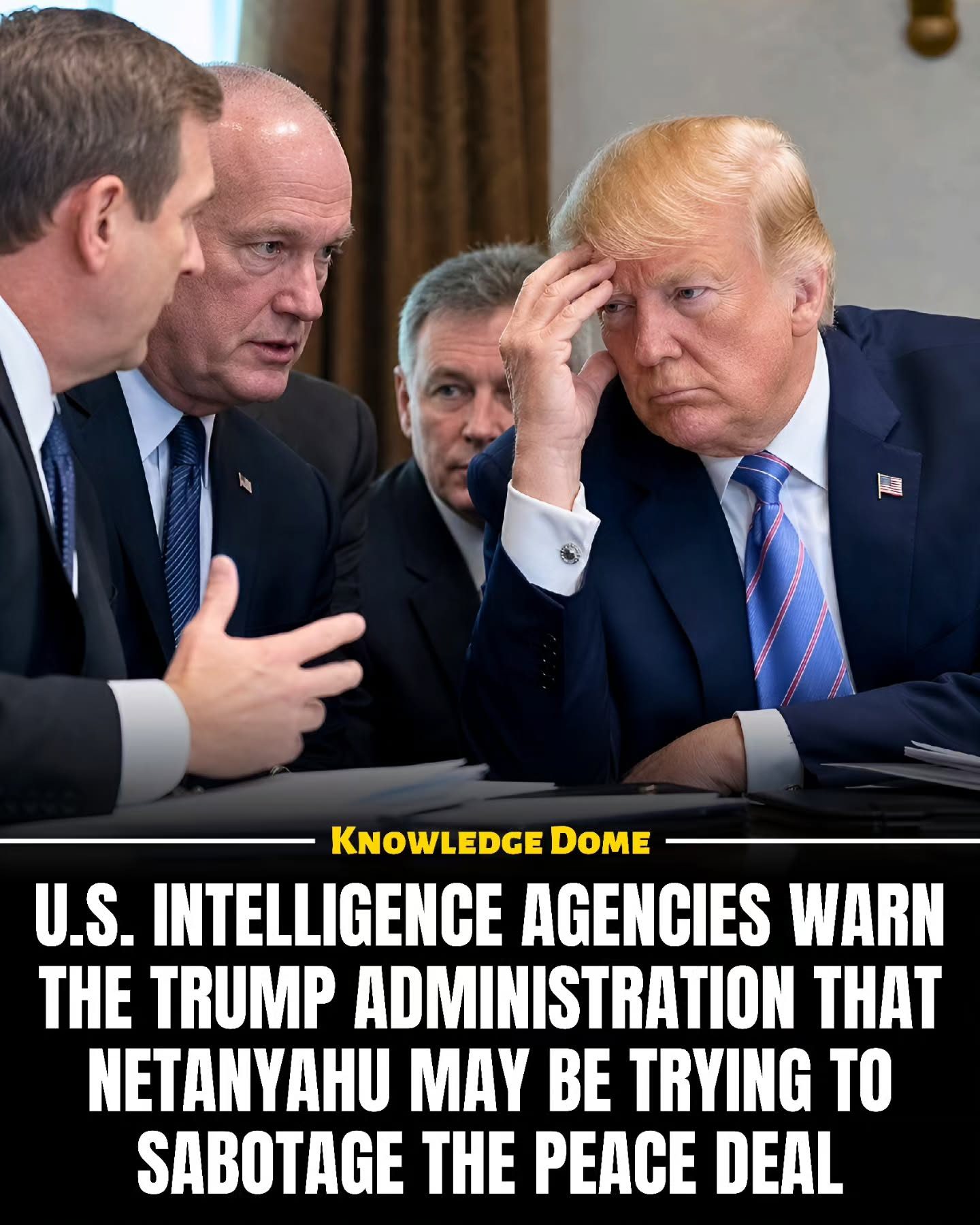
U.S. Intelligence Warns of Potential Israeli Actions that Could Jeopardize Peace with Iran
The complex geopolitical dynamics between the United States, Israel, and Iran have come into sharp focus with recent warnings from U.S. intelligence agencies. These agencies have alerted the Trump administration that Israeli Prime Minister Benjamin Netanyahu may undertake actions that could undermine a long-lasting peace deal with Iran. The situation is intricate, involving multiple factors, including domestic political pressures and strategic disagreements over military and diplomatic approaches.
Context
The potential impact of Netanyahu's actions on U.S.-Iran relations is a critical concern. The U.S. administration is keen to avoid actions that could escalate tensions in the Middle East, particularly concerning the fragile stability in Lebanon and the broader conflict with Iran. The stakes are high, and the decisions made by key players in this geopolitical arena could have far-reaching consequences.
Lebanon's Role
One of the major flashpoints in this situation is Lebanon. There is significant pressure on Israel to withdraw its military forces from southern Lebanon. This pressure is mounting as U.S. officials believe that a full withdrawal is necessary to maintain the fragile truce with Hezbollah. However, Israel may be reluctant to comply fully, which could potentially destabilize the region.
Netanyahu's Domestic Pressures
Netanyahu's political future and the pressures he faces domestically are key drivers of his potential actions. With Israel's next election slated for October, Netanyahu may view a full withdrawal from Lebanon as a political loss. This internal political calculus could push him to make decisions that align more with his domestic needs rather than with the broader strategic goals of the U.S. administration.
Disagreements Over the Iran Deal
The U.S.-Iran nuclear agreement is another significant point of contention. The Israeli government has expressed reservations about the deal, arguing that it is too weak and does not adequately address the threat posed by Iran. The Trump administration, on the other hand, is focused on achieving a deal that lowers the risk of a wider conflict and ensures the protection of the Strait of Hormuz.
Netanyahu's preference for stronger military action against Iran's allies and networks adds another layer of complexity. The U.S. administration is cautious about such actions, fearing they could escalate tensions and further destabilize the region.
Practical Tips for Understanding the Situation
To navigate this intricate geopolitical landscape, it's essential to stay informed about the key points and potential outcomes. Here are some practical tips for understanding the situation:
Follow Reputable News Sources
Stay updated with reliable news sources that provide in-depth analysis and balanced reporting. This will help you understand the nuances and developments as they unfold.
Monitor Official Statements
Keep an eye on official statements from the U.S. and Israeli governments. These statements can provide valuable insights into their strategic goals and potential actions.
Understand the Regional Dynamics
Pay attention to the broader regional dynamics, including the situation in Lebanon and the ongoing tensions with Iran. Understanding these dynamics can help you anticipate potential developments and their implications.
Stay Informed About Domestic Politics
Domestic politics play a significant role in shaping the actions of key players. Stay informed about the political landscape in Israel and the U.S. to understand the motivations behind their decisions.
Important Takeaways
Regional Stability at Risk
The potential actions of Netanyahu could significantly impact regional stability. A misstep could lead to renewed conflict and instability, particularly in Lebanon.
Diplomatic Efforts Are Critical
Diplomatic efforts are crucial in managing the tensions and ensuring a peaceful resolution. Both the U.S. and Israel need to work together to find a balanced approach that addresses the concerns of all parties involved.
Military Action Should Be Cautious
Any military action should be carefully considered and executed. Unilateral actions by Israel could escalate tensions and lead to unintended consequences.
Political Calculations Matter
The political future and domestic pressures of leaders like Netanyahu play a significant role in shaping their decisions. Understanding these factors can help predict their actions and potential outcomes.
The Iran Agreement Needs Refinement
The U.S.-Iran nuclear agreement requires careful negotiation and refinement to address the concerns of all parties. Finding a balanced approach that ensures regional stability and security is essential.
Conclusion
The warnings from U.S. intelligence agencies highlight the delicate balance of power and the potential risks involved in the geopolitical dynamics between the U.S., Israel, and Iran. Understanding the complex interplay of domestic politics, regional stability, and diplomatic efforts is crucial for navigating this landscape. By staying informed and monitoring the developments, you can gain a deeper understanding of the situation and its potential outcomes.
Watch the Reel
Recent articles
Fresh deep dives from the latest Reels we unpacked.




Comments
Be the first to comment.