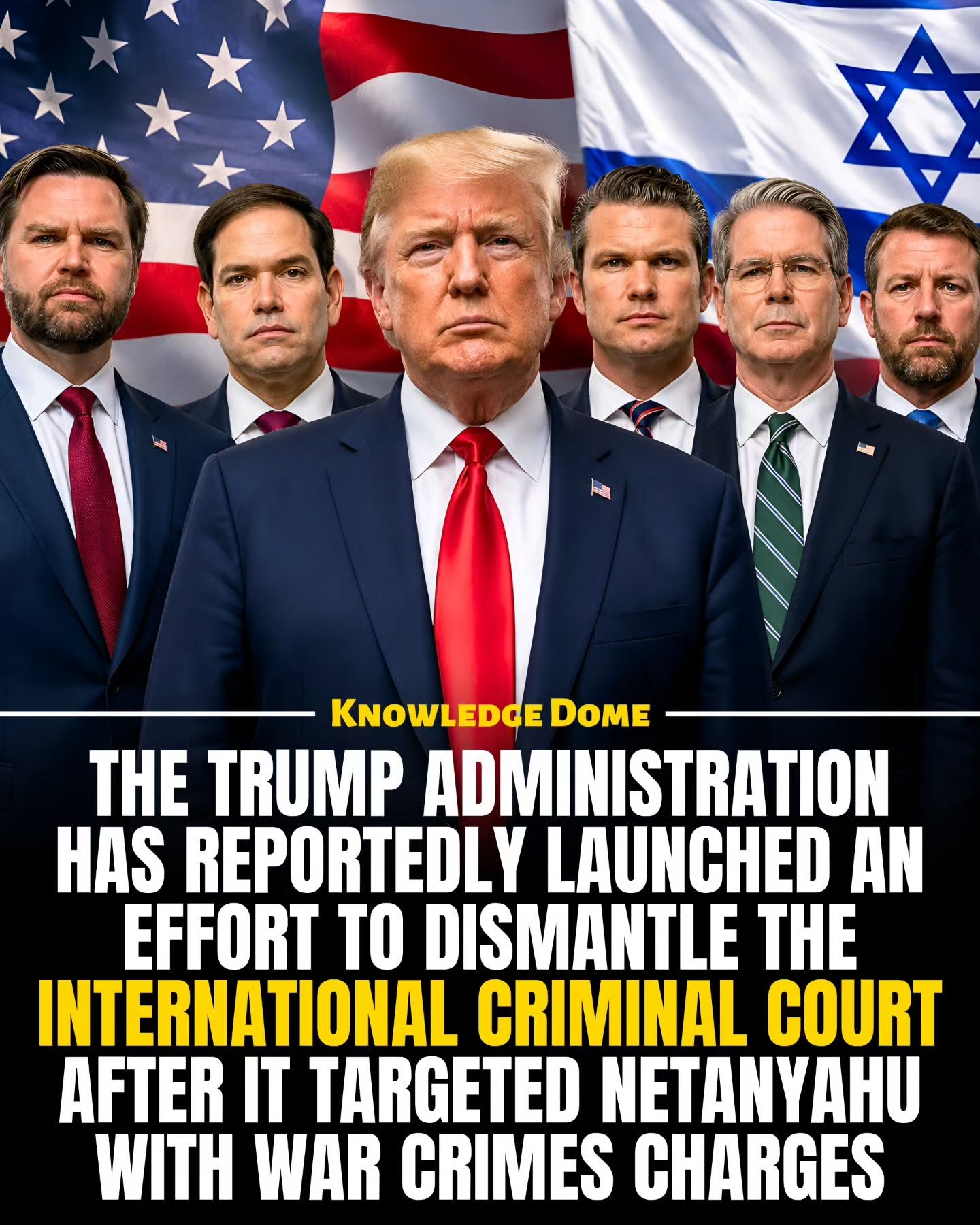
The Trump Administration's Campaign Against the International Criminal Court
The Trump administration has launched a significant effort to undermine the International Criminal Court (ICC), aiming to weaken its influence over the United States and its allies. This campaign comes in the wake of several high-profile developments involving the ICC, including the issuance of arrest warrants for Israeli Prime Minister Benjamin Netanyahu and former Defense Minister Yoav Gallant over alleged war crimes in Gaza. The administration's actions have sparked debate and concern, with human rights groups and legal experts weighing in on the potential implications.
Why This Matters
The ICC, established by the Rome Statute, is an independent international tribunal that prosecutes individuals for the most serious crimes of international concern, such as genocide, crimes against humanity, and war crimes. The court's jurisdiction is a source of contention, particularly for countries like the United States that are not signatories to the Rome Statute. The U.S. has long opposed the ICC's efforts to investigate alleged war crimes committed by American forces, particularly in Afghanistan.
The recent actions by the Trump administration, however, go beyond mere opposition. The U.S. is reportedly using a combination of sanctions, asset freezes, travel bans, and diplomatic pressure to isolate the ICC and make it harder for the court to function effectively. This approach has raised questions about the future of international justice and the potential for powerful nations to shield themselves from accountability.
The Trump Administration's Strategic Moves
Arrest Warrants and Diplomatic Tensions
The ICC's decision to issue arrest warrants for Benjamin Netanyahu and Yoav Gallant has been a significant trigger for the U.S. administration's actions. The warrants, based on allegations of war crimes in Gaza, have strained diplomatic relations and sparked a backlash from the U.S. The administration's response has been to escalate its efforts to undermine the ICC, viewing the court's actions as an infringement on U.S. sovereignty and an overreach of its jurisdiction.
Legal and Diplomatic Pressures
The U.S. has also faced legal challenges from the ICC. Three ICC judges recently filed a lawsuit against former President Donald Trump over past sanctions imposed on them. These sanctions, combined with the ICC's ongoing investigations, have further fueled the U.S. administration's determination to weaken the court. The use of sanctions, asset freezes, and travel bans is part of a broader strategy to isolate the ICC and limit its effectiveness.
The Rome Statute and Legal Limitations
The U.S. cannot legally shut down the ICC because it is not a signatory to the Rome Statute, which established the court. However, the administration is exploring other means to limit the ICC's influence. By leveraging its economic and diplomatic power, the U.S. aims to create a hostile environment for the ICC, making it difficult for the court to operate and pursue its investigations.
Human Rights Concerns
Human rights groups have been vocal in their criticism of the Trump administration's efforts to dismantle the ICC. They argue that these actions could protect powerful individuals from accountability, setting a dangerous precedent for international justice. The administration, however, maintains that it is defending U.S. sovereignty and refusing to let foreign courts judge its actions.
Practical Tips for Understanding the Situation
Given the complexity of the situation, staying informed about the latest developments is crucial. Here are some practical tips for understanding the ongoing conflict between the U.S. and the ICC:
- Follow Reputable News Sources: Stay updated with reliable news outlets that provide accurate and unbiased coverage of the situation. This will help you understand the evolving dynamics and the potential implications.
- Read Official Statements: Pay attention to official statements from the U.S. administration, the ICC, and international organizations. These statements often provide valuable insights into the motivations and strategies of each party.
- Engage with Expert Analysis: Look for analyses from legal experts and human rights advocates. Their insights can help you understand the legal and ethical dimensions of the conflict.
Important Takeaways
The ongoing conflict between the Trump administration and the ICC highlights several key issues:
- The ICC's jurisdiction and authority are contentious, particularly for non-signatory countries like the U.S.
- The U.S. administration's use of economic and diplomatic pressure to isolate the ICC raises questions about the future of international justice.
- Human rights concerns about the potential for powerful individuals to evade accountability are valid and must be addressed.
- The legal and diplomatic complexities of the situation require careful analysis and understanding to grasp the full implications.
Conclusion
The Trump administration's campaign against the ICC is a multifaceted and complex issue with far-reaching implications. It underscores the tensions between national sovereignty and international justice, and it highlights the challenges faced by institutions like the ICC in their quest for accountability. As the situation continues to unfold, it will be crucial to stay informed and engage with the various perspectives and analyses available. The future of international justice hangs in the balance, and the outcomes of this conflict will have lasting effects on global governance and human rights.
Watch the Reel
Questions readers ask
What prompted the Trump administration to target the ICC?
The Trump administration's focus on the ICC intensified after the court issued arrest warrants for Israeli leaders, including Prime Minister Benjamin Netanyahu. This move was seen as a direct challenge to U.S. allies, prompting the administration to take actions aimed at weakening the ICC's influence.
What specific measures did the Trump administration take against the ICC?
The Trump administration imposed a range of measures against the ICC, including sanctions, asset freezes, and travel bans targeting individuals involved with the court's investigations into alleged war crimes committed by U.S. allies, particularly Israel.
How did the ICC's actions regarding Israel impact U.S. policy?
The ICC's issuance of warrants for Israeli leaders over alleged war crimes in Gaza led the Trump administration to view the court as a threat to its allies. This perception drove the administration's decision to implement punitive measures against the ICC, highlighting the geopolitical dimensions of the conflict.
What are the potential consequences of the Trump administration's actions against the ICC?
The Trump administration's efforts to weaken the ICC raise serious concerns about the future of international justice. By targeting the court, the U.S. risks undermining global accountability mechanisms and could encourage other nations to challenge the ICC's authority, potentially leading to a more fragmented international legal landscape.
What has been the reaction from human rights groups and legal experts to the Trump administration's campaign against the ICC?
Human rights groups and legal experts have expressed a range of concerns, including the potential erosion of international justice standards and the implications for future accountability efforts. Many argue that the administration's actions could set a dangerous precedent, making it harder for the ICC to hold leaders accountable for serious crimes.
Recent articles
Fresh deep dives from the latest Reels we unpacked.




Comments
Be the first to comment.