Allegations of Chinese Election Interference: A Deep Dive
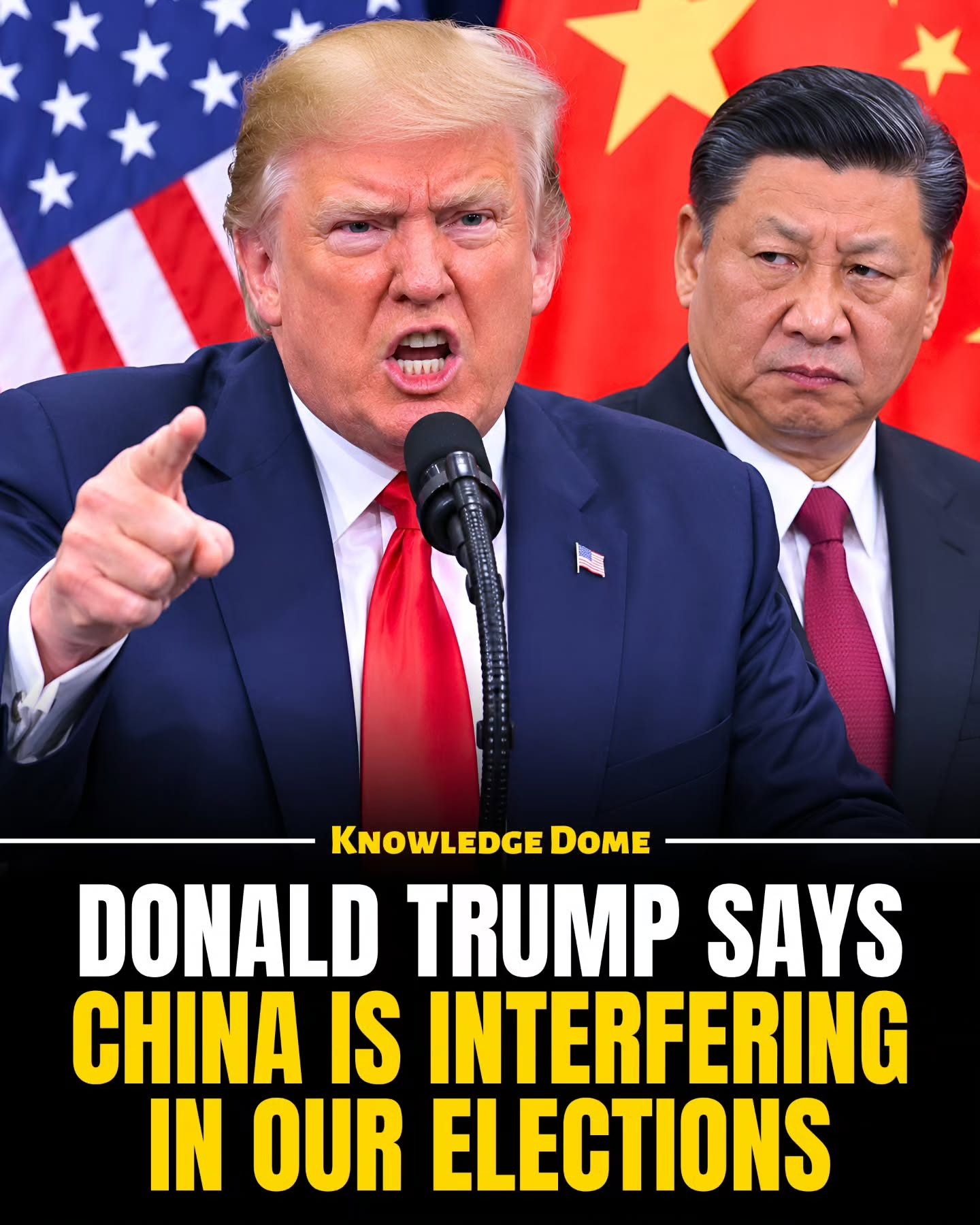
The claim that China has interfered in U.S. elections has resurfaced, stirring political debate and sparking concerns about data security. President Donald Trump has asserted that China gathered sensitive personal information from nearly 220 million American voters, a move he described as a significant threat to national security.
Context: Why This Matters
Election security and data privacy are critical issues in today's digital age. The allegations of foreign interference in U.S. elections are not new, but the specifics and the scope of these claims are alarming. The potential breach of voter data raises questions about the security of personal information and the integrity of the electoral process.
The Allegations and the Evidence
Trump's claim centers on the declassification of intelligence reports in July 2026, which supposedly revealed that China had obtained sensitive voter information. According to Trump, this data included names, addresses, and political party affiliations, effectively making it the biggest election data leak in American history. However, the reliability of this information is a point of contention.
The Chinese Response
China has vehemently denied these allegations. The Chinese Foreign Ministry has called the claims unfounded and without evidence. They maintain that China does not interfere in American domestic politics and that the accusations are baseless. This denial adds another layer of complexity to the issue, as it challenges the credibility of the intelligence reports.
Publicly Available Data
Many independent analysts have pointed out that much of the voter information mentioned by Trump is already publicly available. In many states, voter registration lists can be legally accessed for a fee. This raises questions about the significance of the alleged data breach. If the information is already accessible, the concern shifts from data theft to potential misuse or manipulation of existing public records.
Proof and Speculation
The White House's declassified reports did not provide clear evidence of a cyberattack or secret data theft by China. Analysts emphasize the need for concrete proof to substantiate such serious claims. Without clear evidence, the allegations remain a matter of speculation and political rhetoric.
Previous Claims and Patterns
Trump's accusations are not isolated incidents. Similar claims about Chinese interference were made during trade tensions in 2018. This recurring theme suggests a pattern in the political discourse, where allegations of foreign interference are used to bolster arguments and influence public opinion. The repetition of these claims underscores the need for a thorough and transparent investigation into the matter.
Practical Tips for Voter Data Security
Given the sensitivity of voter data, it is essential to take practical steps to enhance security and transparency.
Transparency in Data Access
Ensure that any public or private entity accessing voter data adheres to strict transparency and accountability measures. This includes clear documentation of who has accessed the data, for what purpose, and under what conditions.
Enhanced Security Protocols
Implement robust security protocols to protect voter data. This involves using advanced encryption methods, regular security audits, and strict access controls. Additionally, invest in cybersecurity infrastructure to detect and respond to potential data breaches promptly.
Public Awareness and Education
Educate the public about the importance of data privacy and the steps they can take to protect their personal information. This includes being cautious about sharing sensitive data online and understanding the implications of data breaches.
Important Takeaways
The allegations of Chinese election interference highlight several critical issues:
- Data Security: The potential breach of voter data underscores the need for enhanced security measures to protect personal information.
- Transparency: Clear evidence and transparent communication are essential to substantiate serious claims of foreign interference.
- Public Awareness: Educating the public about data privacy and security is crucial in an age of digital information.
Conclusion
The claims of Chinese election interference raise significant concerns about national security and data privacy. While the allegations are serious, the lack of clear evidence complicates the matter. It is essential to approach this issue with a balanced perspective, acknowledging the potential threats while also considering the need for concrete proof and transparent communication. As the debate continues, it is crucial to prioritize data security and public awareness to protect the integrity of the electoral process.
Watch the Reel
Questions readers ask
What specific data is Trump accusing China of stealing from U.S. voters?
Trump alleges that China has stolen sensitive personal information from nearly 220 million American voters. This data includes details that could potentially compromise the integrity of U.S. elections and national security.
How has China responded to Trump's accusations of election data theft?
China has denied the allegations made by Trump. They have not acknowledged any involvement in the alleged theft of U.S. voter data, maintaining their stance of non-interference.
What are the main concerns raised by the allegations of Chinese election interference?
The primary concerns include the safety of personal information of U.S. voters, the integrity of the U.S. electoral process, and the potential for foreign influence on domestic politics. These concerns highlight the broader issues of data security and election integrity.
What does the accessibility of voter information in many U.S. states have to do with these allegations?
The accessibility of voter information in many U.S. states is a critical factor in these allegations. If voter data is readily accessible, it could potentially be exploited by foreign actors, raising questions about the security measures in place to protect this information.
What steps can be taken to enhance voter data protection measures in the United States?
To enhance voter data protection, states can implement stricter data security protocols, limit access to sensitive voter information, and increase transparency in how this data is handled. Additionally, regular audits and updates to security measures can help safeguard against potential breaches.
How do these allegations fit into the broader context of political data theft concerns?
These allegations are part of a larger narrative of political data theft and foreign interference in elections. They underscore the ongoing need for vigilance and robust cybersecurity measures to protect the integrity of democratic processes.
What are some of the potential impacts of a large-scale voter data breach on U.S. elections?
A large-scale voter data breach could have several impacts, including undermining public trust in the electoral process, enabling targeted disinformation campaigns, and potentially influencing voting outcomes. It could also lead to long-term damage to national security and the privacy of American citizens.
Recent articles
Fresh deep dives from the latest Reels we unpacked.




Comments
Be the first to comment.