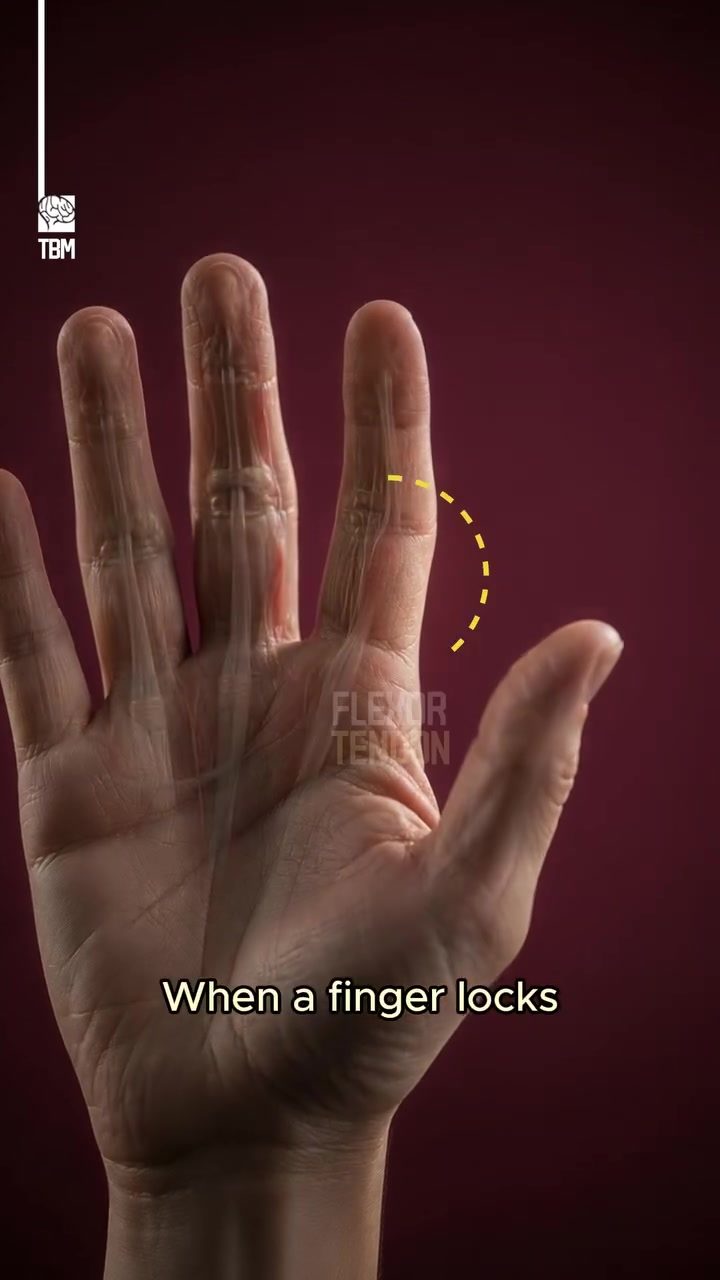
Finger Locking: Understanding the Mechanism and Causes
Whether you've experienced it yourself or witnessed it happen to someone else, the sudden snapping or locking of a finger can be both alarming and perplexing. This condition, known as trigger finger, occurs when the finger gets stuck in a bent position and then suddenly pops straight, often accompanied by a clicking sound. Understanding the underlying mechanics and causes can help in managing and preventing this common issue.
Why This Matters
Trigger finger, also medically termed stenosing tenosynovitis, is a condition that affects the tendons in the hand. It is particularly relevant for individuals who engage in repetitive hand movements, such as gripping tools, typing, or performing the same hand actions consistently. Recognizing the signs and understanding the causes can help in seeking appropriate treatment and making necessary lifestyle adjustments.
The Anatomy and Mechanics of Trigger Finger
The Role of the Flexor Tendon
The flexor tendon is a crucial component in the functioning of the fingers. It is responsible for bending the finger by contracting and pulling the finger towards the palm. The tendon glides smoothly through a narrow passageway called the tendon sheath, which is lined with a synovial membrane that lubricates the movement. However, repeated irritation and friction can cause the tendon to thicken and form a small nodule. This enlargement makes it difficult for the tendon to glide smoothly through the narrow opening, leading to the characteristic snapping or locking of the finger.
The Mechanism of Triggering
When the enlarged area of the tendon moves through the narrowed opening, it can get caught, causing the finger to click, snap, or lock in a bent position. This catching action results in discomfort, pain, or the need to force the finger straight. The inflammation caused by constant friction can worsen these symptoms over time.
Factors Contributing to Trigger Finger
Repetitive Movements
People who repeatedly grip tools, type for extended periods, or perform the same hand movements daily are at a higher risk of developing trigger finger. The constant friction and stress on the tendon can lead to thickening and inflammation, exacerbating the condition.
Underlying Health Conditions
Certain health conditions, such as rheumatoid arthritis, diabetes, and gout, can increase the likelihood of developing trigger finger. These conditions can affect the tendons and synovial membranes, making them more prone to inflammation and thickening.
Age and Gender
Trigger finger is more common in individuals between the ages of 40 and 60, and women are more likely to experience it than men. While the exact reasons for these disparities are not fully understood, hormonal and lifestyle factors may play a role.
Treating Trigger Finger
Non-Surgical Options
In many cases, trigger finger can be managed without surgery. Non-surgical treatments include:
- Rest and Activity Modification: Reducing or avoiding activities that aggravate the condition can help alleviate symptoms.
- Splinting: Wearing a splint to keep the affected finger straight can reduce strain on the tendon.
- Non-Steroidal Anti-Inflammatory Drugs (NSAIDs): Over-the-counter pain relievers can help reduce inflammation and pain.
- Corticosteroid Injections: Injections of corticosteroids directly into the affected area can reduce inflammation and provide relief.
Surgical Intervention
In severe cases where conservative treatments are ineffective, a minor surgical procedure may be recommended. This involves making a small incision at the base of the finger and releasing the tight part of the tendon sheath. This procedure restores smooth movement of the tendon and allows most patients to move the finger immediately, with a relatively fast recovery time.
Practical Tips for Managing Trigger Finger
Ergonomic Adjustments
Making ergonomic adjustments to your workspace can significantly reduce the strain on your hands. Consider using ergonomic keyboards, mousepads, and tools designed to minimize repetitive stress on the tendons.
Strengthening Exercises
Incorporating hand and finger strengthening exercises can help maintain flexibility and strength in the tendons. Regular exercises that involve gripping, squeezing, and stretching can improve overall hand health.
Important Takeaways
- Understanding the Mechanism: Trigger finger occurs when the flexor tendon thickens and forms a nodule, making it difficult to glide smoothly through the tendon sheath. This can cause the finger to click, snap, or get stuck.
- Repetitive Movements: Engaging in repetitive hand movements can increase the risk of developing trigger finger.
- Treating the Condition: Both non-surgical and surgical options are available, depending on the severity of the condition. Non-surgical treatments include rest, splinting, NSAIDs, and corticosteroid injections. Surgical intervention involves releasing the tight part of the tendon sheath.
- Practical Tips: Making ergonomic adjustments and incorporating hand and finger strengthening exercises can help manage and prevent trigger finger.
Conclusion
Trigger finger is a common condition that can be both painful and inconvenient. By understanding the underlying mechanics and causes, you can take proactive steps to manage and prevent this issue. Whether through non-surgical treatments or minor surgical procedures, most individuals can find relief and resume their daily activities with minimal disruption.
Watch the Reel
Questions readers ask
What are the primary causes of trigger finger?
Trigger finger, or stenosing tenosynovitis, is primarily caused by inflammation and narrowing of the tendon sheath, which hinders the smooth gliding of the flexor tendons. This can be due to repetitive hand movements, such as gripping, grasping, or typing, which put stress on the tendons. Other factors like diabetes, rheumatoid arthritis, and certain medications can also increase the risk.
How does the mechanism of trigger finger work?
The mechanism involves the flexor tendon, which allows the finger to bend, getting caught or locked in the bent position. This occurs when the tendon sheath narrows, causing the tendon to snap or catch as it moves through the pulley system in the finger. This results in the characteristic 'triggering' or locking sensation.
Who is most at risk for developing trigger finger?
Individuals who perform repetitive hand movements, such as those who use tools, type frequently, or engage in activities requiring fine motor skills, are more at risk. Additionally, people with certain medical conditions like diabetes, rheumatoid arthritis, and those taking specific medications are also more susceptible to developing this condition.
What are the signs and symptoms to look out for?
The key signs include a finger that gets stuck in a bent position and then suddenly pops straight, often with a clicking or snapping sound. You might also experience pain, tenderness, or a lump-like swelling at the base of the affected finger. These symptoms may worsen with use and improve with rest.
What are some prevention strategies for trigger finger?
To prevent trigger finger, focus on minimizing repetitive hand movements and taking frequent breaks to rest your hands. Performing hand and wrist exercises can also help maintain flexibility and strength. Additionally, using ergonomic tools and proper hand techniques can reduce stress on the tendons.
What are the non-surgical treatment options for trigger finger?
Non-surgical treatments include rest, over-the-counter pain relievers, and splinting the affected finger to immobilize it and reduce inflammation. Corticosteroid injections can also be effective in reducing swelling and pain. In some cases, physical therapy or hand exercises may help to improve tendon gliding and reduce symptoms.
When should I consider seeking medical attention for trigger finger?
If your symptoms are severe, persistent, or affecting your daily activities, it's important to consult a healthcare provider. Additionally, if you experience sudden numbness, tingling, or loss of sensation in the affected finger or hand, seek immediate medical attention. Early intervention can help prevent the condition from worsening and improve long-term outcomes.
Related deep dives
Similar reads based on topic and creator.


Recent articles
Fresh deep dives from the latest Reels we unpacked.




Comments
Be the first to comment.