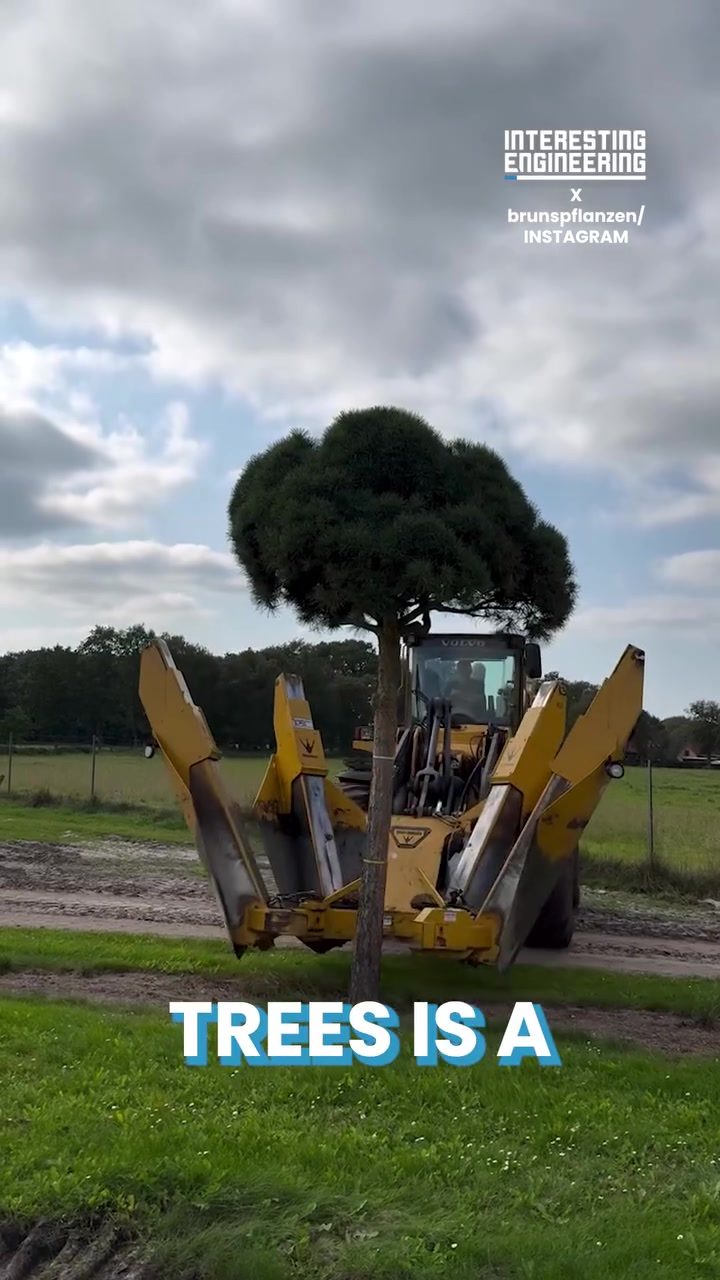
Tree Transplanting Machines: Precision Tools for Tree Relocation
Tree transplanting machines are specialized tools designed to handle the delicate process of moving trees from one location to another while preserving their root systems and overall health. This precision equipment is crucial for landscapers, arborists, and environmentalists who need to relocate trees for various reasons, such as urban development, forest management, or conservation efforts.
Why Tree Transplanting Matters
Relocating trees can be a critical part of urban planning and environmental conservation. Trees provide numerous benefits, including shade, improved air quality, and enhanced biodiversity. However, their relocation requires careful handling to ensure they survive the transition. Tree transplanting machines play a vital role in this process by minimizing damage to the tree's root system and soil, thereby increasing the chances of successful transplantation.
Understanding Tree Transplanting Machines
The Importance of Root Ball Integrity
One of the primary challenges in tree transplantation is preserving the integrity of the root ball—the mass of soil and roots that surrounds the tree's trunk. The root ball is essential for the tree's survival as it provides the necessary nutrients and water. When a tree is uprooted, the root ball can easily be damaged, leading to stress and potential death of the tree. Tree transplanting machines are designed with this in mind. The sharp blades used in these machines cut smoothly through the soil, ensuring that the tree's roots and the surrounding soil stay intact. This precision helps maintain the tree's root system, making it easier for the tree to adapt to its new environment.
Machines and their Mechanisms
These machines typically feature a set of sharp blades that carefully extract the tree from the ground. The blades are engineered to cut through the soil cleanly, minimizing disturbance to the root ball. Once the tree is removed, it can be securely transported to its new location. The machines are often equipped with mechanisms that allow for the safe handling and transportation of the tree, ensuring that it remains stable and intact during the move.
Transportation
After extraction, the tree must be carefully transported to its new location. Tree transplanting machines often come with specialized cradles or containers that secure the tree during transit, preventing any further damage to the root ball. This careful handling is crucial for the tree's survival, as any additional stress can compromise its ability to adapt to its new environment.
Practical Tips for Using Tree Transplanting Machines
Preparation
Before using a tree transplanting machine, it's essential to assess the tree's health and the surrounding soil conditions. Healthy trees with well-established root systems are more likely to survive the transplantation process. Additionally, ensuring that the soil is moist but not waterlogged can help reduce stress on the tree.
Operating the Machine
When operating the machine, it's important to follow the manufacturer's guidelines to ensure the tree's root ball remains intact. This includes using the correct blade settings and maintaining a steady, controlled pace during extraction. Careful handling and transportation of the tree are also crucial to minimize any additional stress.
Aftercare
Once the tree is planted in its new location, proper aftercare is essential for its survival. This includes watering the tree regularly, providing necessary nutrients, and monitoring for any signs of stress or disease. Proper aftercare can significantly increase the tree's chances of thriving in its new environment.
Important Takeaways
Tree transplanting machines are indispensable tools for anyone involved in the delicate process of relocating trees. Their ability to preserve the integrity of the root ball and ensure smooth extraction and transportation makes them invaluable for urban planning, forest management, and environmental conservation efforts.
Key Features
These machines are designed with precision in mind, featuring sharp blades that cut smoothly through the soil without damaging the root ball. This precision is crucial for the tree's survival, as it allows the root system to remain intact, making it easier for the tree to adapt to its new environment.
Benefits
The primary benefit of using a tree transplanting machine is the increased likelihood of successful transplantation. By minimizing damage to the root system and ensuring careful handling during transportation, these machines significantly enhance the chances of a tree thriving in its new location.
Considerations
When using tree transplanting machines, it's important to assess the tree's health and the surrounding soil conditions before extraction. Proper preparation, operation, and aftercare are essential for a successful transplantation process. Additionally, following the manufacturer's guidelines can help ensure the best possible outcomes.
Conclusion
The role of tree transplanting machines in preserving natural landscapes and urban greenery cannot be overstated. Their precision and care in handling trees during relocation are essential for ensuring the health and longevity of transplanted trees. Whether for urban development, forest management, or conservation efforts, these machines provide a reliable and effective solution for the delicate task of tree transplantation.
Watch the Reel
Questions readers ask
What types of professionals typically use tree transplanting machines?
Professionals who commonly use tree transplanting machines include arborists, landscapers, and environmentalists. These experts rely on these tools for urban planning, forest management, and conservation efforts, ensuring trees are relocated with minimal damage, encouraging their survival.
How do tree transplanting machines preserve root systems?
These machines are designed with precision. They carefully extract trees from the ground, ensuring that the root ball remains intact. This minimizes root damage, which is crucial for the tree's ability to absorb water and nutrients after relocation.
Can tree transplanting machines be used in urban environments?
Yes, these machines are particularly useful in urban environments. They allow for the safe relocation of trees to accommodate urban development, land redevelopment, or to enhance green spaces in cities, ensuring that urban areas remain green and healthy.
What is the role of precision in tree transplanting machines?
Precision is key in tree transplanting machines. Features like accurate cutting blades help minimize root damage during the extraction process. This precision increases the survival rates of transplanted trees by preserving their root systems and overall health.
What are the benefits of using tree transplanting machines for tree relocation?
Using tree transplanting machines offers several benefits. They ensure the safe and efficient relocation of trees, reduce damage to the root systems, and increase the likelihood of the tree's survival post-relocation. Additionally, they are useful for various professionals in fields like urban planning, forestry, and conservation.
What are some considerations for choosing a tree transplanting machine?
Considerations include the machine's ability to handle different tree sizes, the precision of its cutting blades, and its overall efficiency. Additionally, professionals need to assess the machine's portability and ease of use, especially when working in tight urban spaces.
Related deep dives
Similar reads based on topic and creator.

Recent articles
Fresh deep dives from the latest Reels we unpacked.




Comments
Be the first to comment.