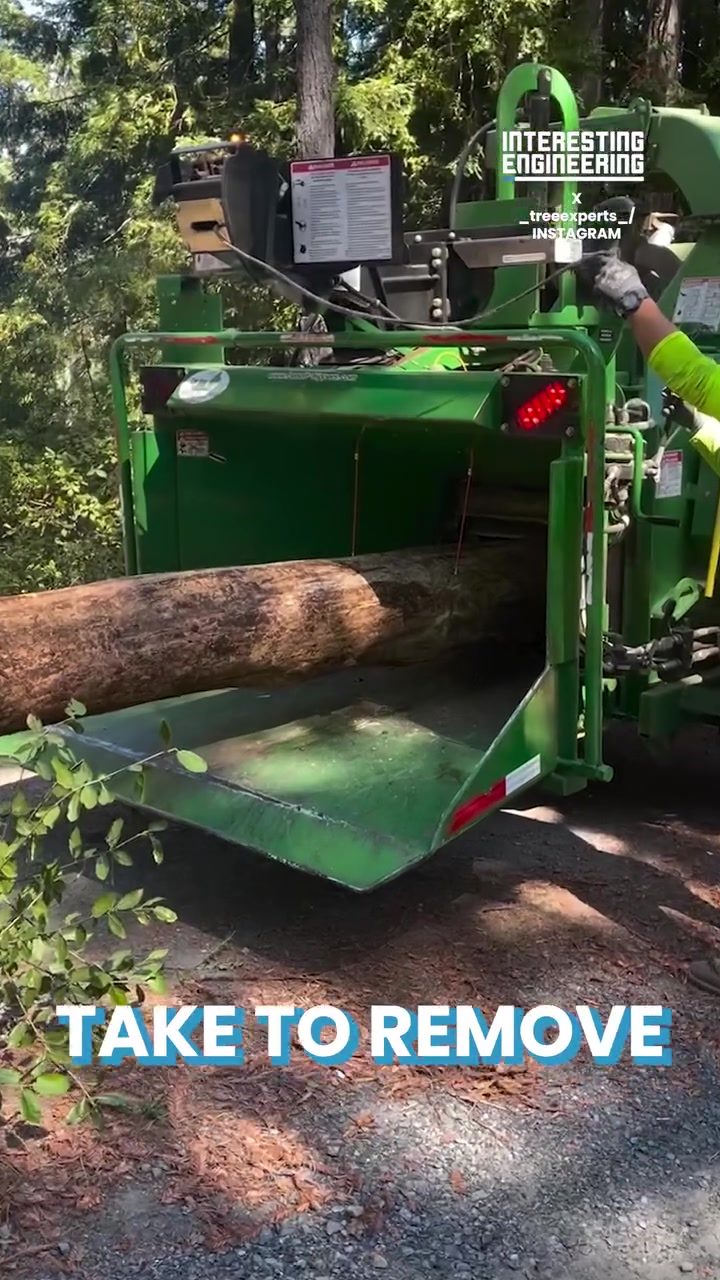
Wood Chippers: Efficient Tree Trunk Processing
Wood chippers are essential tools in forestry and landscaping, designed to efficiently process tree trunks and branches. These machines can turn large tree trunks into smaller wood chips, making them easier to manage and more useful for various applications. Whether you're clearing a forest floor or managing a backyard, understanding the capabilities and uses of a wood chipper can be incredibly beneficial.
Why This Matters
Tree trunks and branches can be cumbersome to remove, especially in large quantities. Traditional methods of clearing trees, such as manual cutting and hauling, are time-consuming and labor-intensive. Wood chippers offer a more efficient solution by swiftly converting large tree trunks into smaller, manageable pieces. This not only saves time and effort but also has environmental benefits, such as nourishing the forest floor with organic matter.
Main Discussion
What is a Wood Chipper?
A wood chipper is a powerful machine designed to reduce the size of tree trunks, branches, and other wood debris. It works by pulling the wood material through a feed mechanism and then cutting it into smaller pieces using a cutting mechanism, often a set of sharp blades. The resulting wood chips can be used for various purposes, including mulching, composting, and even as fuel for biomass boilers.
How Do Wood Chippers Work?
Wood chippers typically operate using a gas or electric motor that drives a set of sharp blades. The wood material is fed into the chipper through a hopper, where it is then pulled into the cutting mechanism. The blades rapidly spin, chopping the wood into smaller pieces. The size of the chips can often be adjusted depending on the design of the chipper and the specific blades used.
Types of Wood Chippers
There are several types of wood chippers, each suited to different tasks and environments. Some of the most common types include:
- Residential Wood Chippers: These are smaller, less powerful machines designed for home use. They are typically electric or gas-powered and are used to chip branches and smaller tree trunks.
- Commercial Wood Chippers: These are larger, more powerful machines designed for professional use. They can handle larger tree trunks and branches and are often used in forestry and landscaping operations.
- Industrial Wood Chippers: These are the most powerful and robust machines, designed for heavy-duty use in industrial settings. They can handle the largest tree trunks and branches and are often used in large-scale forestry operations.
Practical Tips
Safety First
Operating a wood chipper requires careful attention to safety. Always wear appropriate protective gear, including safety glasses, gloves, and ear protection. Make sure to read and understand the operator's manual before using the machine. Keep children and bystanders at a safe distance from the chipper while it is in operation.
Maintenance and Care
Regular maintenance is essential to keep your wood chipper in good working condition. This includes:
- Cleaning the Machine: Remove any debris and dust from the machine after each use. This helps prevent the buildup of material that can affect performance.
- Oil the Blades: Regularly oil the cutting blades to keep them sharp and ensure smooth operation.
- Inspect for Wear and Tear: Check the machine for any signs of wear and tear, and replace any damaged parts as needed.
Important Takeaways
Wood chippers are versatile tools that can significantly simplify the process of clearing trees and wood debris. By understanding the different types of chippers and how to use them safely, you can make the most of these machines in various settings. Whether you are a homeowner managing a backyard or a professional in the forestry industry, a wood chipper can be an invaluable addition to your toolkit.
Conclusion
Clearing trees and managing wood debris can be a challenging task, but with the right tools, it becomes much more manageable. Wood chippers offer a practical and efficient solution for processing tree trunks and branches, making the task quicker and more environmentally friendly. By understanding the different types of chippers and how to use them safely, you can enhance your forestry work or landscaping projects. Always prioritize safety and regular maintenance to ensure the longevity and efficiency of your wood chipper.
Watch the Reel
Questions readers ask
What is a tree chipper and how does it work?
A tree chipper, also known as a wood chipper, is a machine designed to cut and shred large tree trunks and branches into smaller, manageable wood chips. It uses a powerful motor to drive a blade or rotating knives that break down the wood as it is fed into the machine.
Can a tree chipper be used for both forest and yard clean-up?
Yes, tree chippers are versatile and can be used for both large-scale forest clean-up and smaller yard maintenance tasks. They efficiently reduce the size of branches and tree trunks, making forest floor clearing and yard waste management easier.
What are the benefits of using a tree chipper for forest management?
Using a tree chipper for forest management helps to recycle forest waste, enriching the forest floor by turning large tree trunks and branches into wood chips. This process reduces labor, speeds up clean-up, and can be more environmentally friendly by returning nutrients to the soil.
What should I consider when choosing a tree chipper?
When selecting a tree chipper, consider the size of the trees and branches you need to process, the chipper's capacity, and the power source (electric, gas, or diesel). Additionally, look for reviews and ensure the machine is well-maintained for optimal performance.
How do I safely use a tree chipper?
To safely use a tree chipper, always wear appropriate protective gear, including gloves, safety glasses, and ear protection. Follow the manufacturer's instructions for operation, and avoid placing your hands near the feeding chute. Regularly maintain the machine to keep it in good working order.
How does a tree chipper contribute to forest floor nourishment?
A tree chipper promotes forest floor nourishment by breaking down large wood debris into smaller chips, which decompose more quickly. The chips can be left on the ground to enrich the soil, providing nutrients for plant growth and improving overall forest health.
What maintenance does a wood chipper require?
Regular maintenance for a wood chipper includes cleaning the machine after each use, checking for and replacing dull or damaged blades, and ensuring all moving parts are well-lubricated. To extend the life of the machine, inspect and maintain the motor, and store the chipper in a dry place when not in use.
Recent articles
Fresh deep dives from the latest Reels we unpacked.




Comments
Be the first to comment.