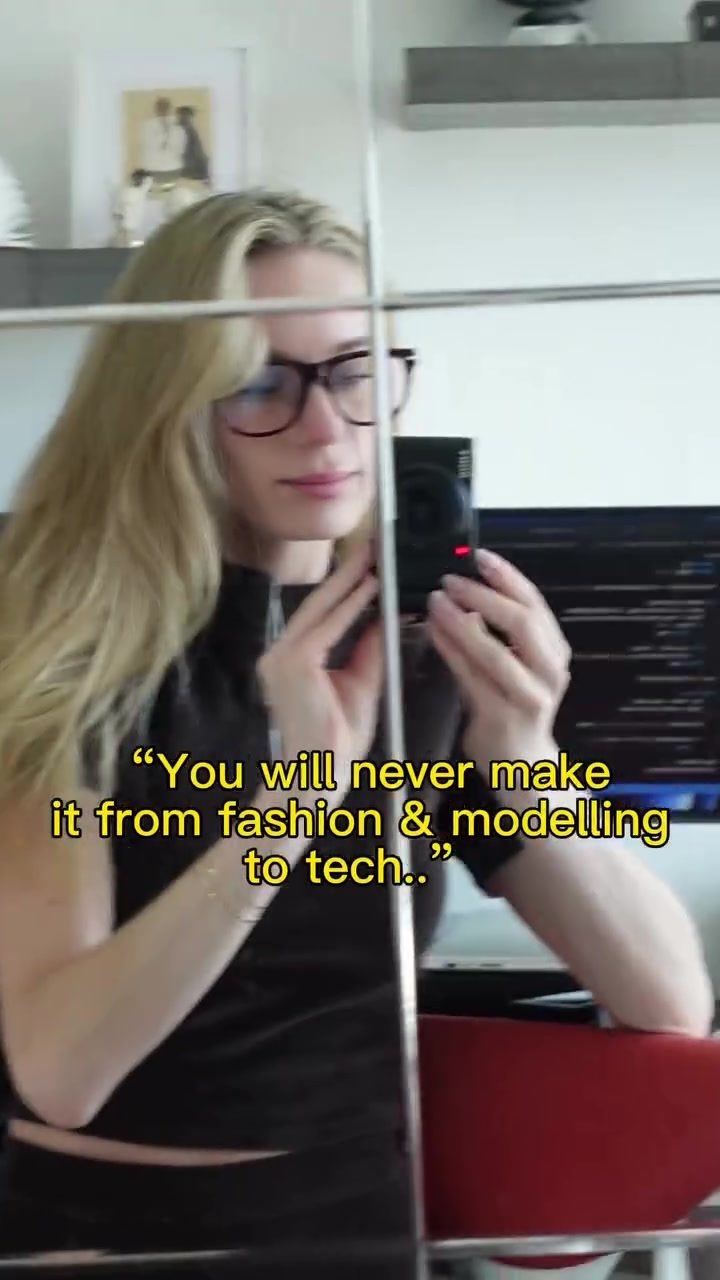
Career Transition and Travel: Navigating the Path from Fashion to STEM
A career transition from the world of fashion and modelling to the tech industry might seem daunting, but it is entirely possible. The journey involves overcoming challenges, embracing new opportunities, and thinking big. This article explores the process of transitioning from one seemingly unrelated field to another and the importance of community and ambition in achieving career goals.
Context: Why Career Transitions Matter
Career transitions are becoming increasingly common in today's dynamic job market. People are more likely to switch careers multiple times during their working lives, often driven by the desire for personal growth, better opportunities, or simply a change in direction. Transitioning from fashion and modelling to tech, for instance, requires not only learning new skills but also adapting to a different work environment and mindset.
In recent years, the STEM (Science, Technology, Engineering, and Mathematics) fields have seen a surge in interest from professionals in various industries. This influx of talent has brought fresh perspectives and innovative ideas to the table, contributing to the growth and development of the tech industry. However, breaking into STEM fields can be challenging, especially for those without a traditional background in these areas.
Navigating the Transition: From Fashion to Tech
Overcoming Skepticism
One of the first challenges in transitioning from fashion and modelling to tech is overcoming the skepticism that comes with making such a significant change. The phrase "You will never make it from fashion & modelling to tech" captures the doubt and disbelief that many face when considering a career transition. However, this skepticism can be a powerful motivator, driving individuals to prove their worth and achieve their goals.
Building Essential Skills
Building the necessary skills for a career in tech is a crucial step in the transition process. This often involves learning programming languages, data analysis, and other technical skills. Many professionals turn to online courses, coding bootcamps, and self-study to acquire these skills. For example, living in a new place for a year and meeting amazing people can provide a fresh perspective and inspiration for learning and growth.
Finding a Community
Support from like-minded individuals and a sense of community can make a significant difference in the career transition process. Starting a community to support others in similar journeys is a proactive way to build a network and gain valuable insights. For instance, when faced with the challenge of breaking into STEM fields, the solution could be to start a community that reaches millions of people every month. This not only provides support and resources but also fosters a sense of belonging and camaraderie.
Embracing Ambition
Thinking big and aiming for ambitious goals is essential in achieving a successful career transition. It's important to remember that career growth doesn't happen overnight, and it requires continuous learning, adaptability, and perseverance. Taking the time to reflect on what's next and then planning the steps to get there can be incredibly rewarding. Thinking as big as possible, and then bigger, can open doors to new opportunities and personal growth.
Practical Tips for a Successful Career Transition
Navigating a career transition requires careful planning and execution. Here are some practical tips to help you make a successful move from one field to another:
Set Clear Goals
Having clear, well-defined goals is the first step in any career transition. Identify what you want to achieve and set specific, measurable milestones to track your progress. These goals should be ambitious yet achievable, pushing you to grow and improve continuously.
Develop a Skill Set
Identify the skills required for your new career and develop a plan to acquire them. This might involve enrolling in courses, attending workshops, or pursuing certifications. Continuous learning and skill development are essential for staying competitive in the job market.
Network and Build Relationships
Building a strong professional network can provide valuable support and opportunities. Attend industry events, join online communities, and connect with professionals in your desired field. Networking can open doors to job opportunities, mentorship, and collaboration.
Stay Adaptable
Flexibility and adaptability are crucial in navigating a career transition. Be open to new experiences and willing to pivot your plans as needed. Embrace challenges as opportunities for growth and learning.
Seek Mentorship
Finding a mentor who has successfully made a similar transition can provide invaluable guidance and support. Mentors can offer insights, share their experiences, and help you navigate the challenges ahead.
Important Takeaways
Career transitions, such as moving from fashion and modelling to tech, are possible with the right mindset, skills, and support. Embracing ambition, building a community, and staying adaptable are key factors in achieving success. Remember, thinking big and aiming for ambitious goals can open doors to new opportunities and personal growth.
Conclusion
Navigating a career transition from one seemingly unrelated field to another is a challenging yet rewarding journey. By setting clear goals, developing essential skills, building a supportive community, and embracing ambition, you can successfully make the switch and achieve your career aspirations.
Watch the Reel
Questions readers ask
What are some essential skills from the fashion industry that can be transferred to tech?
Skills like project management, trend analysis, and understanding of consumer behavior can be highly valuable in tech. Fashion professionals are used to working in fast-paced environments and managing multiple tasks, which are skills that tech companies also prize.
How can I overcome skepticism when transitioning from fashion to tech?
To overcome skepticism, focus on highlighting your transferable skills and experiences. Showcase your ambition and willingness to learn new technologies. Networking within the tech community can also help validate your transition and provide support.
What are some initial steps to start building tech skills for a fashion professional?
Begin by identifying the specific tech field you're interested in, such as UX design, project management, or data analysis. Take online courses, attend workshops, and consider internships or part-time roles to build relevant skills and gain practical experience.
What challenges might I face when navigating the tech industry as a fashion industry professional?
You may encounter challenges such as understanding technical jargon, adapting to a different work culture, and proving your credibility in a new field. However, with perseverance, continuous learning, and leveraging your network, you can effectively navigate these hurdles.
What tech career paths are suitable for someone with a background in fashion?
Career paths like UX/UI design, digital marketing, project management, fashion tech entrepreneurship, and tech sales are great options for those transitioning from fashion to tech. These roles often utilize the creative and business skills developed in the fashion industry.
Recent articles
Fresh deep dives from the latest Reels we unpacked.




Comments
Be the first to comment.