Converting Waste into Clean Energy: Innovative Tech Breakthroughs
On Earth Day, there's ample reason to celebrate, especially with the latest advancements in renewable energy. Scientists are turning old batteries, scrap aluminum, and retired wind blades into clean energy. This isn't a distant dream—these breakthroughs are already in action.
Why This Matters
Why is this important? Quite simply, the world produces an overwhelming amount of waste. According to the World Bank, global waste generation is expected to rise to 3.4 billion tons by 2050. Converting waste into clean energy reduces landfill waste and dependence on finite resources, thus lowering environmental impact.
The Technology Behind the Breakthroughs
Turning Old Batteries into Energy
Old batteries, once a significant source of e-waste, are now being repurposed into clean energy. These batteries, often discarded from electric vehicles and electronics, contain valuable materials like lithium, cobalt, and nickel. New recycling technologies can extract these materials, converting them into new batteries or powering other energy applications. This not only reduces waste but also alleviates the demand for mining these materials from the earth, thus contributing to a greener future.
Repurposing Scrap Aluminum
Scrap aluminum, a common byproduct of manufacturing, is now being transformed into clean energy. Techniques like plasma gasification convert aluminum waste into hydrogen and other syngases. Hydrogen, a key component of clean energy, can be used in fuel cells for electricity generation. Additionally, the gases produced can be captured and used in various industrial processes, making the entire cycle more sustainable.
Reusing Retired Wind Blades
Wind blades, traditionally made from composite materials, pose a unique waste challenge. These materials are difficult to recycle, leading to a growing pile of waste. However, innovative technologies are emerging to convert these blades into clean energy. One such method is converting the blades into biomass, which can be used to generate energy. Additionally, the composite materials can be repurposed into other construction materials, extending their lifecycle.
The Lab Work
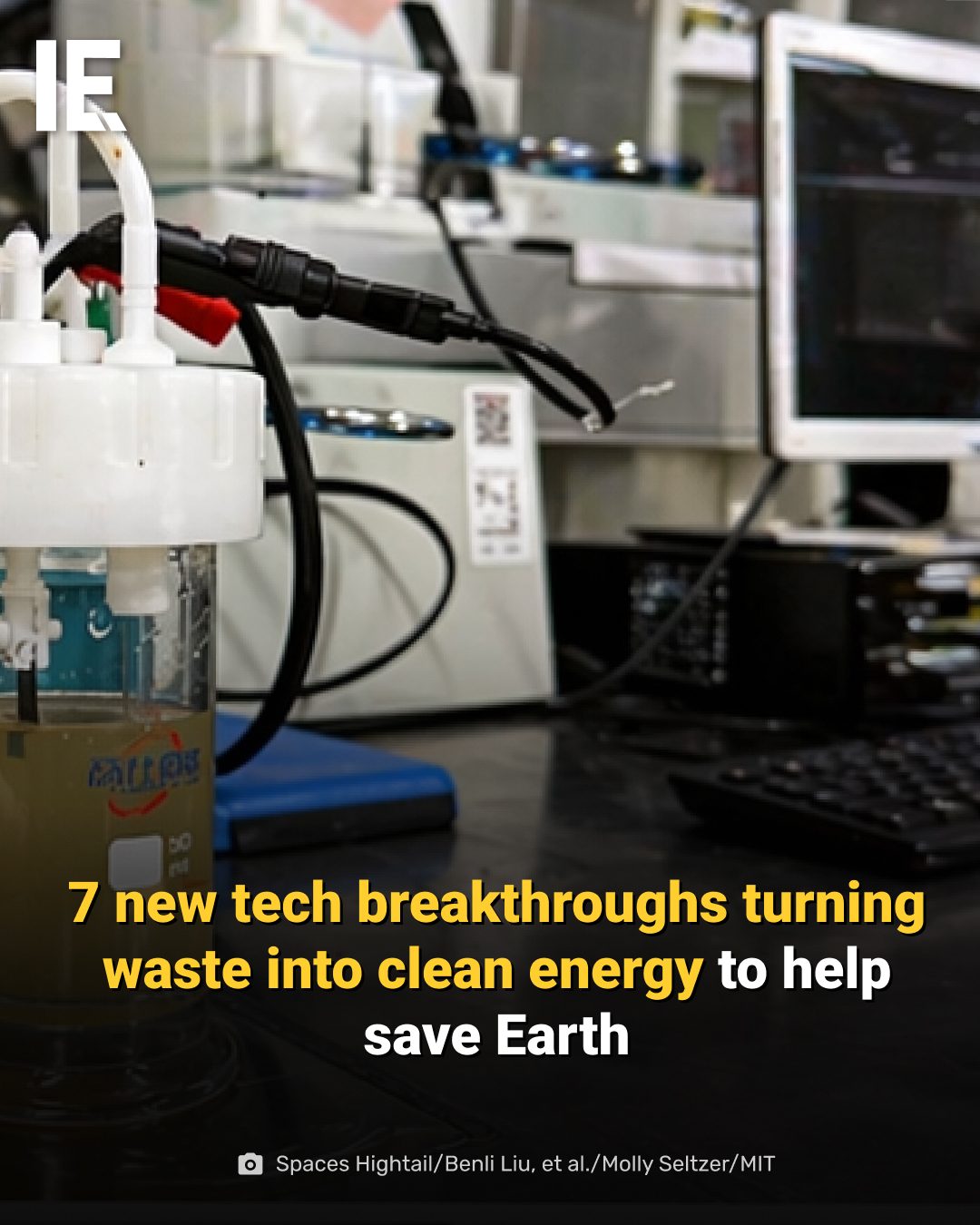
The process behind these breakthroughs is intensive and involves several steps. Researchers use laboratory equipment, including flasks, tubing, and monitors, to conduct experiments and analyze data. These setups are crucial in developing and refining the technologies that convert waste into clean energy.
The researchers, such as Benli Liu, et al., and Molly Seltzer from MIT, have been pivotal in these advancements. Their work involves meticulous testing and verification, ensuring that the technologies are efficient and scalable. The lab setup showcases the scientific process and technology, including new methods like plasma gasification and biomass conversion.
Practical Tips for Individuals and Communities
While these breakthroughs are primarily driven by scientific research, there are practical steps individuals and communities can take to contribute to this effort.
Recycle Responsibly
Ensure that your batteries, aluminum, and other recyclables are disposed of properly. Many communities now offer specialized recycling programs for electronic waste and other materials. Check with your local waste management to find out how you can contribute. Proper recycling allows for the effective recovery of valuable materials, making the process of turning waste into energy more efficient.
Support Clean Energy Projects
Many communities and organizations are actively working on these projects. Supporting them through donations, volunteering, or even spreading awareness can make a significant difference. Local initiatives often have specific needs, whether it's funding, manpower, or technology. Engaging with these projects can help accelerate the development and implementation of waste-to-energy technologies.
Advocate for Policy Changes
Policy plays a crucial role in driving innovation and adoption. Advocating for policies that support waste-to-energy projects and recycling initiatives can create a more favorable environment for these technologies to thrive. Engage with your local representatives and encourage them to prioritize sustainable waste management practices.
Important Takeaways
The journey from waste to clean energy is a testament to human ingenuity and innovation. The ability to convert materials like old batteries, scrap aluminum, and retired wind blades into energy highlights the transformative power of technology. By leveraging advancements in recycling and clean energy, we can significantly reduce waste and create a more sustainable future.
Conclusion
The breakthroughs in converting waste into clean energy are a beacon of hope for a greener future. By turning old batteries, scrap aluminum, and retired wind blades into valuable resources, we take a significant step towards sustainable waste management and energy production. Whether through personal actions, community involvement, or policy advocacy, everyone has a role to play in this transformative journey. It's not just about reducing waste; it's about harnessing the potential of what we already have to create a cleaner, more sustainable world.
Watch the Reel
Questions readers ask
How do old batteries become a source of clean energy?
Old batteries contain valuable materials like lithium, cobalt, and nickel. Through advanced recycling processes, these materials are recovered and used to create new batteries, reducing the need for mining raw materials. Some methods even allow batteries to be directly repurposed for second-life applications where they can continue to store and generate clean energy.
What is the process for recycling wind blades into clean energy?
Wind blades are primarily made of composite materials like fiberglass and resin. Recycling these involves shredding the blades and separating the materials. The recovered materials can then be used to create new products, including components for new wind turbines, or converted into energy through processes like pyrolysis, where the materials are heated in the absence of oxygen to produce syngas, a type of clean energy.
How does recycling aluminum contribute to clean energy production?
Recycling aluminum uses significantly less energy than producing new aluminum from virgin materials. This energy savings can be translated into clean energy benefits. Additionally, the recovered aluminum can be used in the manufacturing of solar panels and other renewable energy infrastructure, promoting a more sustainable energy ecosystem.
What are the benefits of transforming waste into clean energy on a global scale?
Transforming waste into clean energy significantly reduces the amount of waste sent to landfills, lowering associated environmental impacts. It also decreases the demand for finite resources like metals and fossil fuels, and helps mitigate greenhouse gas emissions by providing a renewable energy source. This shift supports global efforts to combat climate change and promote sustainable living.
What role do these waste-to-energy technologies play in achieving zero-waste goals?
Waste-to-energy technologies are crucial in achieving zero-waste goals by diverting materials from landfills and incinerators. They enable the repurposing of materials and the generation of clean energy, creating a closed-loop system where waste is transformed into valuable resources. This approach aligns with a circular economy, where waste is minimized, and resources are kept in use for as long as possible.
Are there any challenges associated with converting waste into clean energy?
While the benefits are clear, there are challenges such as the need for advanced infrastructure and technologies, which can be costly to implement. Additionally, ensuring the safety and efficiency of recycling processes, especially for materials like old batteries, is crucial. Regulatory frameworks and public awareness also play vital roles in the successful adoption of these technologies.
How can individuals contribute to these waste-to-energy advancements?
Individuals can contribute by properly recycling and disposing of waste, especially items like batteries and aluminum. Participating in local recycling programs and supporting policies that promote waste-to-energy initiatives can also make a difference. Additionally, advocating for sustainable practices and raising awareness about the benefits of transforming waste into clean energy can help drive wider adoption of these technologies.
Related deep dives
Similar reads based on topic and creator.



Recent articles
Fresh deep dives from the latest Reels we unpacked.




Comments
Be the first to comment.