Why Kidney Health Matters
Your kidneys are essential for maintaining overall health. They work tirelessly, 24/7, to filter waste, balance fluids, and regulate vital functions. This makes understanding how to support and protect kidneys crucial for maintaining long-term health.
Understanding Kidney Health and Nutrition
Kidney health is deeply interconnected with diet. The food and beverages you consume can either support or hinder your kidneys' ability to function properly. By making informed dietary choices, you can help preserve kidney function and prevent potential damage.
Foods That Support Kidney Health
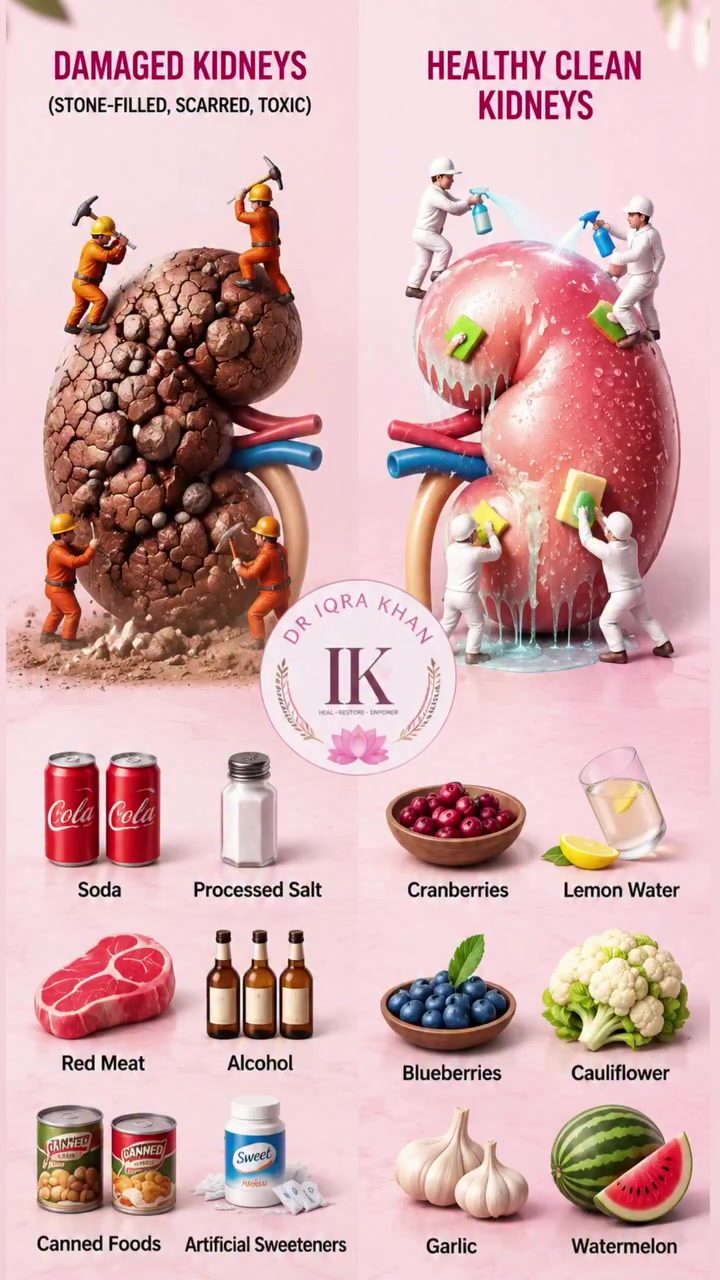
Incorporating certain foods into your daily diet can significantly improve kidney health. Here are some key foods to consider:
- Berries: Cranberries and blueberries are packed with antioxidants that help protect the kidneys from damage.
- Hydrating Foods: Lemon water and watermelon help keep you hydrated, which is essential for maintaining kidney function.
- Cruciferous Vegetables: Cauliflower contains compounds that support kidney health.
- Aromatics: Garlic has anti-inflammatory properties that can benefit the kidneys.
Foods to Limit or Avoid
Certain foods and beverages can have a detrimental effect on kidney health. It’s important to limit or avoid:
- Sugary Drinks: Cola and other sugary soft drinks can contribute to kidney damage over time.
- Processed Foods: Highly processed and canned foods often contain excess salt and artificial ingredients, which can strain the kidneys.
- Red Meat: Excessive consumption of red meat can lead to the accumulation of harmful compounds in the body, impacting kidney function.
- Alcohol: Excessive alcohol consumption can damage the kidneys and reduce their ability to filter waste effectively.
Balancing Your Diet for Kidney Health
A balanced diet is key to maintaining kidney health. While no single food can "clean" or "detox" your kidneys, a combination of healthy dietary habits can significantly support their function. This includes:
- Whole Foods: Focus on whole, unprocessed foods like fruits, vegetables, and lean proteins.
- Hydration: Ensure adequate hydration by drinking plenty of water throughout the day.
- Salt Intake: Limit processed salt and opt for more natural, whole foods to regulate your salt intake.
- Blood Pressure and Sugar Management: Maintain healthy blood pressure and blood sugar levels through diet and lifestyle choices.
- Avoid Smoking: Smoking can negatively impact kidney function, so avoiding it is crucial. If you have chronic kidney disease, always follow the advice of your healthcare provider, as some foods may need to be limited or avoided.
Practical Tips for Maintaining Kidney Health
Maintaining kidney health involves more than just diet. Here are some practical tips to support your kidneys:
Stay Hydrated
Drinking plenty of water is essential for keeping your kidneys functioning properly. Aim for at least 8-10 glasses of water daily. You may need more if you are physically active or live in a hot climate.
Monitor Sodium Intake
Excessive sodium can lead to high blood pressure, which in turn can damage your kidneys. Limit your intake of processed foods and opt for fresh, whole foods whenever possible.
Cut Back on Sugary Drinks
Sugary beverages like soda can contribute to kidney damage. Replace them with water, sparkling water, or herbal teas to keep your kidneys healthy.
Limit Alcohol Consumption
Excessive alcohol can damage the kidneys and interfere with their ability to filter waste. Limit your alcohol intake or avoid it altogether to support kidney health.
Important Takeaways
- Balanced Diet: A balanced diet rich in whole foods is essential for maintaining kidney health.
- Hydration: Staying well-hydrated is crucial for kidney function.
- Limit Processed Foods: Reduce your intake of highly processed and canned foods to minimize strain on the kidneys.
- Avoid Excessive Alcohol and Sugar: Limit or avoid sugary drinks and excessive alcohol to support kidney health.
- Consult a Healthcare Provider: If you have chronic kidney disease, always follow the advice of your healthcare provider to manage your diet and lifestyle effectively.
Conclusion
Your kidneys are vital for maintaining overall health, and your dietary choices play a significant role in supporting their function. By incorporating kidney-friendly foods, staying hydrated, and limiting processed and sugary foods, you can help protect and preserve your kidney health. Remember, small daily habits can make a big difference in the long run. Always consult with a healthcare provider for personalized advice, especially if you have chronic kidney disease.
Watch the Reel
Questions readers ask
What are some kidney-friendly foods that I should include in my diet?
There are several foods that can support kidney health. Incorporate a variety of colorful fruits and vegetables, especially berries like cranberries and blueberries, which are rich in antioxidants. Other beneficial options include garlic, watermelon, and cauliflower. These foods can help maintain kidney function and promote overall health.
How do processed foods impact kidney health?
Processed foods often contain high levels of sodium, sugar, and unhealthy fats, which can strain your kidneys. Excessive intake can lead to inflammation, increased blood pressure, and even kidney damage over time. Opting for whole, unprocessed foods is a better choice for maintaining kidney health.
What are the benefits of cranberries for kidney health?
Cranberries are known for their antimicrobial properties, which can help prevent urinary tract infections that may lead to kidney issues. They are also rich in antioxidants, which can reduce inflammation and oxidative stress, promoting overall kidney health.
How does alcohol affect my kidneys?
Excessive alcohol consumption can have a detrimental effect on the kidneys. Alcohol is a diuretic, meaning it increases urine production and can lead to dehydration. Chronic alcohol use can also cause high blood pressure and liver damage, both of which can negatively impact kidney function.
How can a low-salt diet benefit kidney health?
A low-salt diet can significantly benefit kidney health by helping to manage blood pressure and reducing the strain on your kidneys. High sodium intake can lead to fluid retention and increased blood pressure, which can damage your kidneys over time. Limiting your salt intake is crucial for maintaining healthy kidney function.
What are some dietary tips for preventing kidney stones?
To prevent kidney stones, focus on staying hydrated by drinking plenty of water. Limit your intake of foods high in oxalates, such as spinach and rhubarb, and avoid excessive consumption of animal proteins. Incorporating foods rich in citrates, like citrus fruits, can also help prevent the formation of kidney stones.
How does garlic support kidney health?
Garlic has potent antioxidant and anti-inflammatory properties, which can help protect your kidneys from damage. It also contains compounds that can help lower blood pressure, reducing the strain on your kidneys. Incorporating garlic into your meals can be a simple way to support kidney health.
Recent articles
Fresh deep dives from the latest Reels we unpacked.




Comments
Be the first to comment.