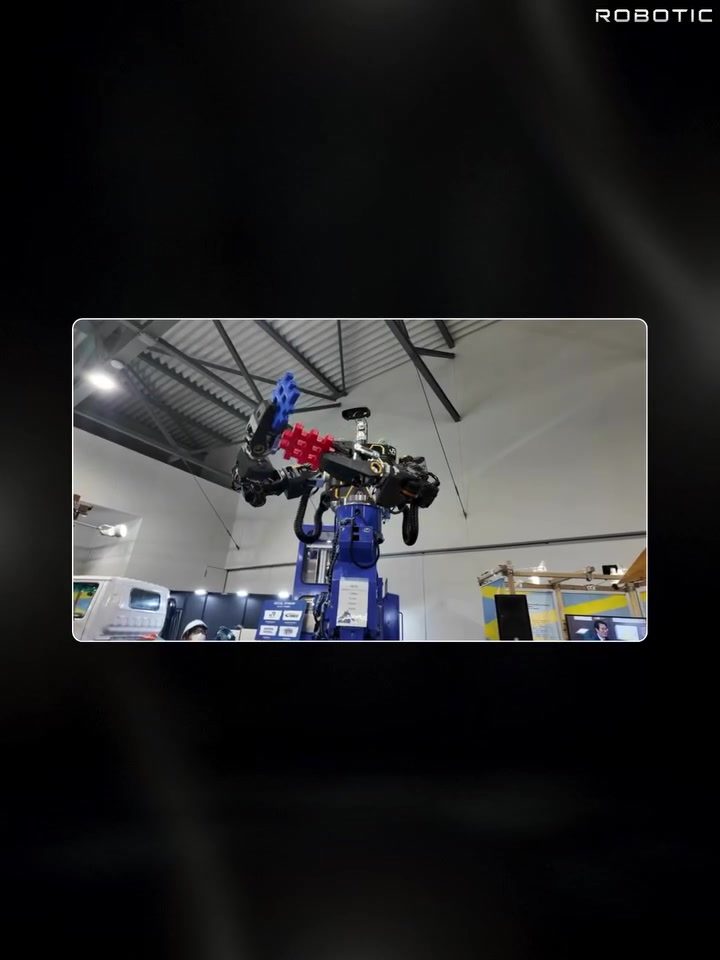
Robotic Arms in Industrial Automation
Robotic arms are revolutionizing industrial automation, particularly in hazardous environments where human safety is at risk. These advanced machines are designed to perform tasks that are too dangerous for humans, thanks to their precision, range of motion, and ability to operate remotely. One notable example is the JINKI-ITTAI humanoid heavy machinery, which has been developed in response to the 2011 Fukushima disaster.
Why This Matters
The use of robotic arms in industrial settings is not just about efficiency; it's about safety. By replacing human workers with robots in dangerous environments, companies can protect their employees from harm while still getting the job done. This is particularly important in industries where the risk of accidents is high, such as in railway maintenance, bridge construction, and other high-risk infrastructure work.
Main Discussion
The Evolution of Robotic Arms
Robotic arms have come a long way since their inception. Initially designed for simple, repetitive tasks, they have evolved to handle complex, hazardous jobs. The development of robotic arms in Japan, for instance, has been significantly influenced by the need to perform tasks in environments deemed too dangerous for humans, such as those affected by nuclear disasters.
Precision and Functionality
The primary advantage of robotic arms is their precision and functionality. They can be programmed to perform tasks with a level of accuracy that is unmatched by human workers. This is particularly important in industries where precision is key, such as in manufacturing and construction. The JINKI-ITTAI humanoid heavy machine, for example, uses VR goggles and haptic controls to allow operators to see, feel, and precisely control the robot from a safe location.
Industrial Applications
Robotic arms are used in a variety of industrial applications. In manufacturing, they are used for tasks such as welding, assembly, and material handling. In construction, they are used for tasks such as bricklaying, concrete pouring, and demolition. In hazardous environments, they are used for tasks such as inspections, repairs, and maintenance.
The Role of VR and Haptic Controls
One of the most innovative aspects of the JINKI-ITTAI humanoid heavy machine is its use of VR goggles and haptic controls. These technologies allow operators to control the robot with a high degree of precision, making it possible to perform complex tasks remotely. The use of VR goggles allows operators to see exactly what the robot sees, while haptic controls provide feedback, allowing operators to feel the movements of the robot. This combination of visual and tactile feedback makes it possible to perform tasks that would otherwise be too dangerous for humans.
Practical Tips
Choosing the Right Robotic Arm
When choosing a robotic arm for an industrial application, it's important to consider the specific tasks that it will be performing. Some robotic arms are better suited for precision tasks, while others are better suited for heavy-duty tasks. It's also important to consider the environment in which the robotic arm will be operating. In hazardous environments, for example, it's important to choose a robotic arm that is designed to withstand the conditions.
Training Operators
Operating a robotic arm requires a high degree of skill and training. It's important to invest in training programs that teach operators how to use the robotic arm safely and effectively. This includes training on how to program the robotic arm, how to perform maintenance, and how to troubleshoot problems.
Maintenance and Upkeep
Regular maintenance is key to keeping a robotic arm in good working condition. This includes regular inspections, lubrication, and replacement of worn-out parts. It's also important to keep the robotic arm clean and free of debris, as this can affect its performance.
Safety Protocols
Even though robotic arms are designed to perform tasks in hazardous environments, it's still important to follow safety protocols. This includes wearing appropriate protective gear, following safety procedures, and being aware of potential hazards.
Integrating with Existing Systems
Robotic arms can be integrated with existing systems to improve efficiency and productivity. For example, they can be integrated with computer-aided design (CAD) software to perform tasks such as welding and assembly. They can also be integrated with automated guided vehicles (AGVs) to perform tasks such as material handling and transportation.
Important Takeaways
Robotic arms are transforming industrial automation by making it possible to perform dangerous tasks without putting human workers at risk. They offer a high degree of precision and functionality, making them ideal for a wide range of industrial applications. However, it's important to choose the right robotic arm for the job, invest in training, and follow safety protocols to ensure their effective and safe use.
Conclusion
Robotic arms are a game-changer in industrial automation, particularly in hazardous environments. They offer a high degree of precision and functionality, making it possible to perform complex tasks remotely. As technology continues to advance, we can expect to see even more innovative uses for robotic arms in a variety of industries. By investing in robotic arms and the necessary training and maintenance, companies can improve efficiency, productivity, and most importantly, safety.
Watch the Reel
Questions readers ask
How do robotic arms enhance safety in industrial settings?
Robotic arms improve safety by taking over tasks in hazardous environments, reducing the risk of injury or harm to human workers. They can operate in areas with nuclear fallout, heavy machinery, or other dangerous conditions, ensuring that humans remain at a safe distance. This is particularly beneficial in industries like infrastructure, manufacturing, and construction, where risks are high.
What makes the JINKI-ITTAI humanoid robot unique in disaster response?
The JINKI-ITTAI humanoid robot is unique because it was specifically designed to respond to disasters, such as nuclear fallout, following the 2011 Fukushima disaster. Its advanced features allow it to handle heavy machinery and operate in environments that are too dangerous for humans, making it a crucial asset in disaster response and recovery efforts.
How do robotic arms benefit the heavy machinery sector?
In the heavy machinery sector, robotic arms provide precision and a wide range of motion, enabling them to perform complex tasks that might be too risky for humans. They can handle heavy loads, operate in confined spaces, and work continuously without fatigue, which enhances overall productivity and safety.
What are the advantages of using robotics in infrastructure projects?
Using robotics in infrastructure projects offers several advantages, including increased safety, precision, and efficiency. Robotic arms can handle tasks like welding, painting, and material handling in environments that may be hazardous to humans. This reduces the likelihood of accidents and ensures that projects are completed to a high standard.
How do industrial robotics help in nuclear disaster scenarios?
In nuclear disaster scenarios, industrial robotics play a vital role by allowing for the performance of necessary tasks without exposing humans to harmful radiation. Robotic arms can be equipped with specialized tools to handle radioactive materials, measure radiation levels, and even assist in the decontamination process, ensuring that human workers remain safe.
What types of tasks can robotic arms perform in hazardous environments?
Robotic arms can perform a wide range of tasks in hazardous environments, including inspecting damaged structures, handling hazardous materials, operating heavy machinery, and conducting repairs. Their remote operation capabilities allow them to access areas that would be too dangerous for humans, ensuring that essential work can be completed safely and efficiently.
Recent articles
Fresh deep dives from the latest Reels we unpacked.




Comments
Be the first to comment.