Weight Loss and Healthy Eating
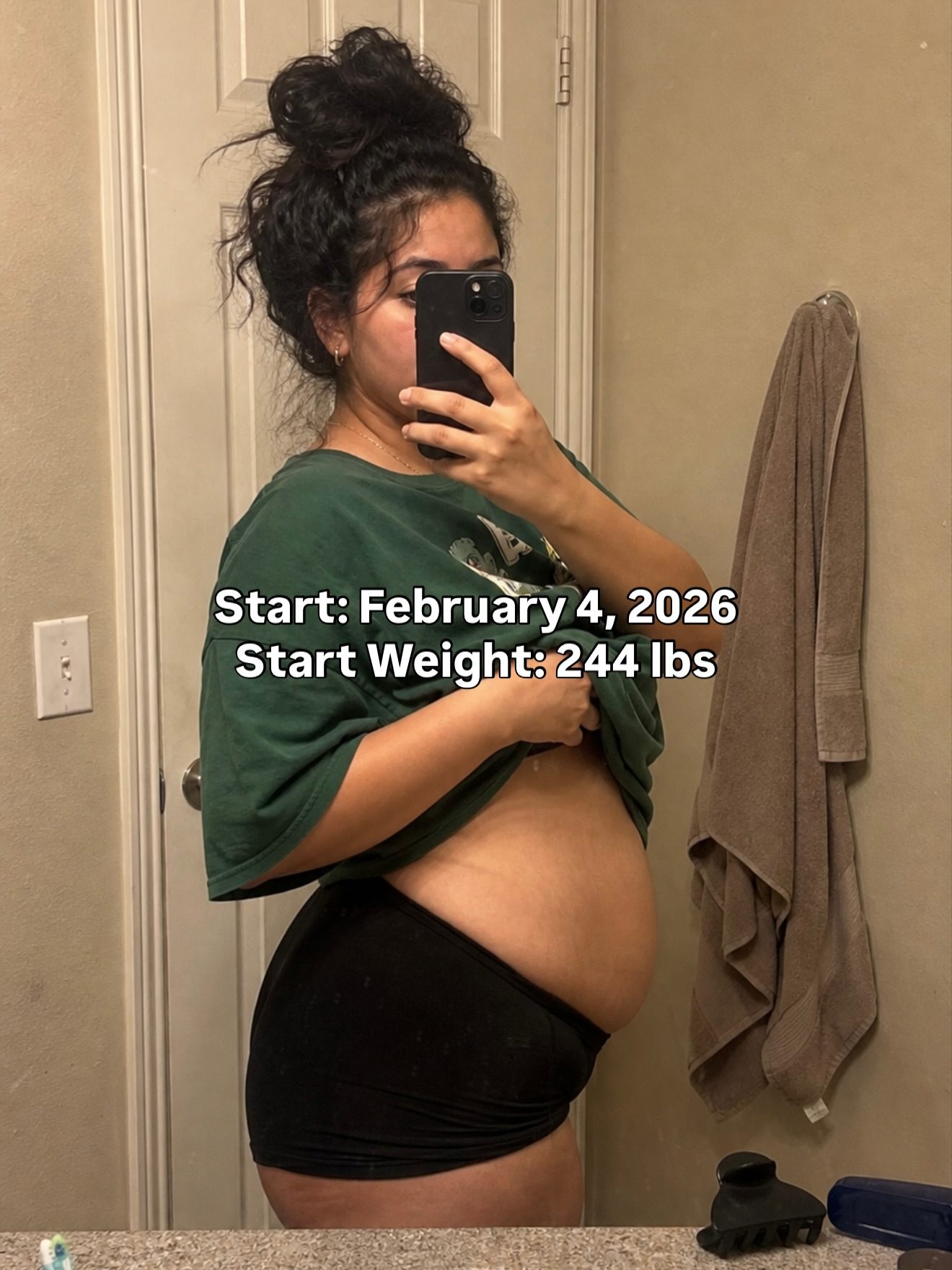
Achieving significant weight loss and maintaining a healthy lifestyle involves consistent effort and mindful choices. This journey often begins with a clear understanding of what real progress looks like. For instance, transitioning from 244 pounds to 195 pounds is a tangible example of the power of consistency and simple, sustainable habits.
Why this matters
In an era where quick-fix solutions and extreme diets are prevalent, embracing a realistic approach to weight loss and healthy eating is crucial. Understanding the importance of consistency, balanced nutrition, and regular exercise can lead to lasting results and improved overall well-being.
Main discussion
The Science Behind Sustainable Weight Loss
Weight loss is fundamentally about creating a caloric deficit, which means burning more calories than you consume. However, the key to sustainable weight loss lies in adopting habits that can be maintained over time. Fad diets and extreme exercise regimens may yield quick results, but they are often unsustainable and can lead to weight regain.
The Role of Nutrition
Choosing Whole, Natural Foods
One of the cornerstones of a healthy diet is choosing whole, natural foods. These foods are packed with essential nutrients, fiber, and antioxidants, which support overall health and weight management. Examples include fruits, vegetables, lean proteins, whole grains, and healthy fats. In contrast, processed foods are often high in added sugars, unhealthy fats, and sodium, which can contribute to weight gain and various health issues.
Limiting Processed Foods
Processed foods are convenient but often lack nutritional value. They are designed to be hyper-palatable, making it easy to overeat. Limiting processed foods can help reduce calorie intake and improve overall nutrition. Instead, focus on preparing meals at home using fresh, whole ingredients.
Adding Protein to Your Diet
Protein is essential for muscle repair, growth, and satiety. Including adequate protein in your diet can help you feel fuller for longer, reducing the likelihood of overeating. Good sources of protein include lean meats, poultry, fish, eggs, beans, lentils, and dairy products.
Hydration and Weight Loss
Drinking plenty of water is crucial for overall health and weight management. Water aids in digestion, nutrient absorption, and helps regulate body temperature. Staying hydrated can also help control hunger and prevent overeating. Aim for 2-3 liters of water daily to support your weight loss goals and overall well-being.
Exercise and Weight Loss
Regular physical activity is a vital component of any weight loss plan. Exercising 3-4 times per week can help you burn calories, build muscle, and improve cardiovascular health. Incorporating a mix of cardio and strength training can maximize results and keep your workouts interesting. Focus on activities you enjoy, whether it's walking, running, swimming, or yoga, to stay motivated and consistent.
Avoiding Common Pitfalls
Many people make the mistake of trying to eliminate all unhealthy foods at once. While this may seem like a good idea, it can lead to feelings of deprivation and ultimately result in binge eating. Instead, focus on gradual improvements and allow yourself occasional treats. This approach can help you maintain a healthy balance and stick to your plan in the long run.
Practical tips
Setting Realistic Goals
Setting realistic goals is key to long-term success. Instead of aiming for rapid weight loss, focus on gradual, sustainable progress. This approach is more likely to yield lasting results and help you maintain a healthy lifestyle.
Tracking Your Progress
Tracking your progress can help you stay motivated and make necessary adjustments to your plan. Keep a food diary, log your workouts, and take regular measurements or photos to monitor your progress. Seeing tangible results can be a powerful motivator and help you stay on track.
Staying Consistent
Consistency is the backbone of any successful weight loss journey. Small, daily habits add up over time and can lead to significant changes. Whether it's eating a balanced breakfast, taking a daily walk, or drinking enough water, prioritize consistency and make these habits a part of your routine.
Seeking Support
Having a support system can make a significant difference in your weight loss journey. Consider joining a fitness group, working with a personal trainer, or enlisting the help of a nutritionist. These resources can provide valuable guidance, motivation, and accountability.
Important takeaways
- Real progress comes from consistent, sustainable habits such as eating whole foods, staying hydrated, and exercising regularly.
- Focusing on daily, incremental improvements is more effective than extreme, short-term changes.
- Support from a fitness app like Workit can offer personalized plans and rewards, making the journey more enjoyable and achievable.
- Enjoy the journey and prioritize long-term health and well-being over short-term gains.
Conclusion
Weight loss and healthy eating are journeys that require patience, dedication, and a balanced approach. By focusing on whole, natural foods, staying hydrated, exercising regularly, and making gradual improvements, you can achieve lasting results and improve your overall well-being.
Watch the Reel
Questions readers ask
What are some simple, sustainable habits that can help with weight loss?
Sustainable weight loss habits include consistent, mindful choices in nutrition and daily routines. For example, adopting a whole foods diet, staying hydrated, and following a personalized workout plan can lead to significant, maintainable progress. It's important to focus on balanced eating and regular exercise, rather than extremes, for real, lasting results.
How can I maintain my weight loss progress over time?
To maintain weight loss progress, focus on consistency and creating a lifestyle that supports your goals. Incorporate a daily exercise routine and stick to a balanced nutrition plan. Regular exercise and balanced eating can help maintain your weight loss and improve your overall well-being.
What role does hydration play in weight loss?
Hydration is crucial for weight loss as it helps maintain bodily functions, aids in digestion, and can even boost metabolism. Aim for at least 8 glasses of water a day, and more if you're physically active. Proper hydration can also help control hunger and support your exercise routine, making it an essential part of your weight loss journey.
Why is it important to focus on balanced nutrition for weight loss?
Balanced nutrition is essential for weight loss as it provides the body with the necessary nutrients to function optimally. It helps maintain energy levels, supports muscle growth and repair, and promotes overall well-being. Focusing on balanced eating, rather than restrictive diets, can lead to sustainable weight loss and improved health.
How can I avoid the pitfalls of quick-fix solutions for weight loss?
To avoid the pitfalls of quick-fix solutions, focus on sustainable, long-term changes. Embrace a realistic approach to weight loss, incorporating simple, healthy habits into your daily routine. Steer clear of extreme diets and prioritize balanced nutrition, regular exercise, and mindful eating for lasting results.
What is the benefit of mindful eating for weight loss?
Mindful eating involves paying full attention to your food and your body's hunger and fullness cues. It helps you make better food choices, avoid overeating, and enjoy your meals more. By being present and attentive during meals, you can foster a healthier relationship with food and support your weight loss goals.
How can I create a personalized workout plan for weight loss?
Creating a personalized workout plan involves considering your fitness level, preferences, and goals. Incorporate both cardio and strength training exercises to support weight loss and muscle growth. Aim for at least 150 minutes of moderate-intensity or 75 minutes of vigorous-intensity aerobic activity per week, along with strength training exercises at least 2 days a week. Consult with a fitness professional if needed to ensure your plan is safe and effective.
Recent articles
Fresh deep dives from the latest Reels we unpacked.




Comments
Be the first to comment.