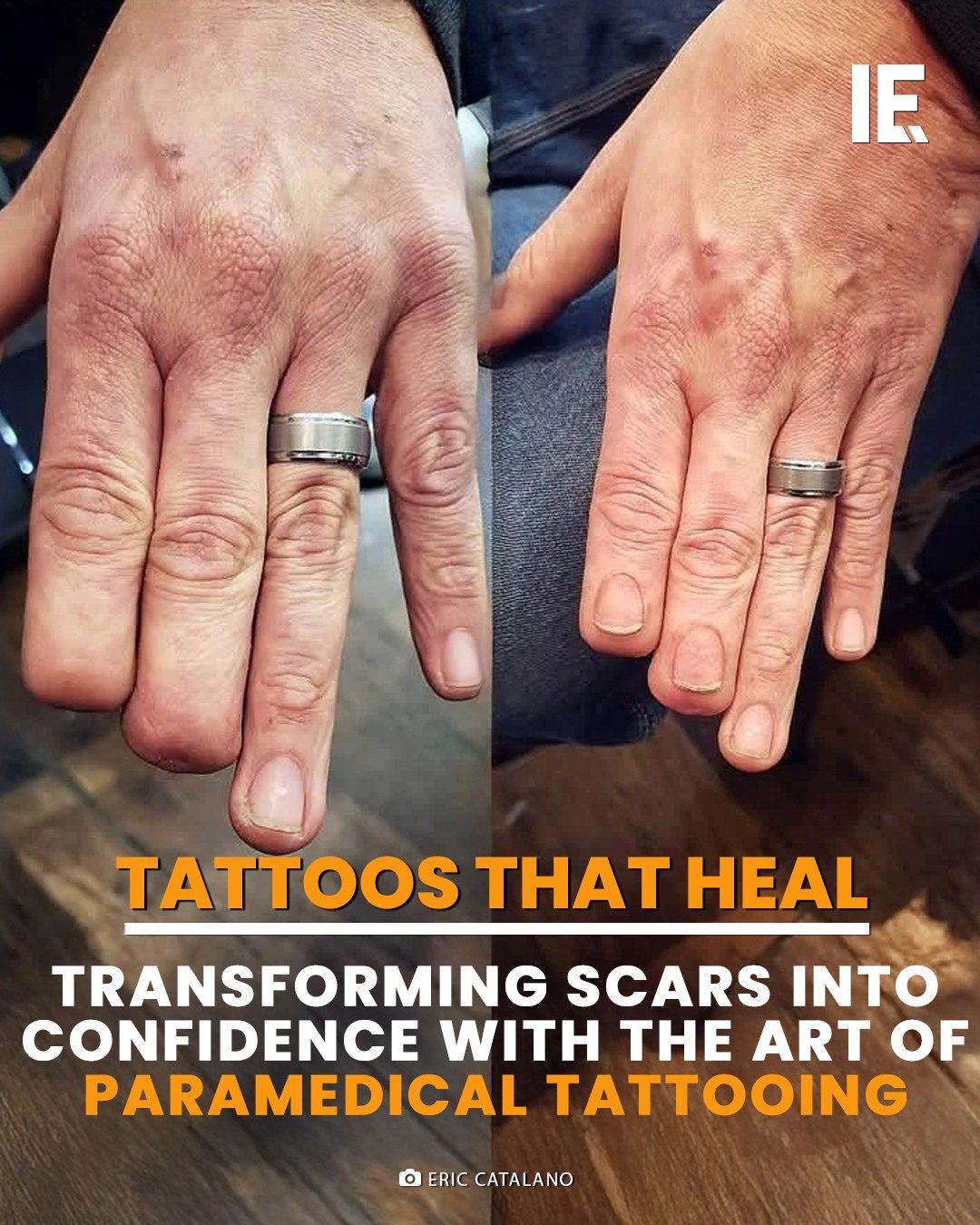
Scar Transformation with Tattoos
Paramedical tattooing stands at the intersection of art and medicine, offering a transformative solution for individuals seeking to camouflage scars and regain their confidence. This specialized form of tattooing is particularly effective for those with scars resulting from accidents, surgery, or other traumatic events. At the forefront of this field is Eric Catalano, a renowned artist who has mastered the art of using flesh-toned inks to create tattoos that blend seamlessly with natural skin tones, effectively hiding scars and restoring a sense of wholeness.
Why This Matters
Scars, whether from accidents, surgeries, or other traumas, can be a source of emotional and psychological distress. They often serve as constant reminders of past injuries, affecting self-esteem and overall well-being. By covering these scars with intricate, realistic tattoos, paramedical tattooing can significantly improve a person's quality of life. The process not only addresses the physical appearance of the scars but also provides an emotional boost, helping individuals feel more confident and comfortable in their own skin.
The Art of Paramedical Tattooing
Paramedical tattooing, also known as medical tattooing or corrective tattooing, focuses on addressing the aesthetic and functional aspects of scars. Unlike traditional tattoos, which are often used for artistic expression, paramedical tattoos are designed to mimic the natural appearance of skin, creating a seamless blend that makes the scar almost invisible. This specialized technique involves using a variety of techniques and an in-depth understanding of skin pigmentation and texture.
The Role of Flesh-Toned Ink
Flesh-toned ink is a critical component in paramedical tattooing. These inks are specifically formulated to match the natural skin tones, allowing the tattoo to blend in perfectly. This requires a deep understanding of skin tones and shades, as well as the ability to apply the ink with precision. Eric Catalano is a pioneer in this field, known for his meticulous attention to detail and ability to create tattoos that are virtually indistinguishable from the surrounding skin.
Techniques and Methods
The process of paramedical tattooing involves several steps, each designed to ensure the best possible outcome. Firstly, the area to be tattooed is carefully assessed to determine the best approach. The tattoo artist then uses specialized techniques to apply the ink, often layering it to achieve the desired effect. This can include techniques such as micro-shading, which involves using fine needles to create a soft, natural look, and micro-tattooing, which is used to add finer details.
Practical Tips
If you're considering paramedical tattooing, here are some practical tips to help you navigate the process:
-
Consult with a Professional: Before committing to the procedure, it's essential to consult with a professional paramedical tattoo artist. They can assess your scars and discuss your expectations, helping you determine the best approach for your specific needs.
-
Choose the Right Artist: Not all tattoo artists specialize in paramedical techniques. Look for an artist with experience in this field, such as Eric Catalano, who has a proven track record in creating realistic, natural-looking tattoos that cover scars effectively.
-
Understand the Process: Educate yourself about the procedures involved. Paramedical tattooing often requires multiple sessions to achieve the best results. Be prepared for a healing process that may take some time, and follow all post-care instructions to ensure optimal outcomes.
-
Manage Expectations: While paramedical tattooing can significantly improve the appearance of scars, it's important to have realistic expectations. The goal is to create a seamless blend, not to erase the scars entirely.
-
Post-Care and Maintenance: Proper aftercare is crucial for the success of paramedical tattoos. This typically involves keeping the area clean, avoiding direct sunlight, and using recommended skincare products. Regular follow-up appointments may also be necessary to ensure the longevity of the tattoo.
Important Takeaways
Paramedical tattooing offers a transformative solution for individuals looking to camouflage scars and regain their confidence. By using specialized techniques and flesh-toned inks, paramedical tattoo artists can create realistic, natural-looking tattoos that blend seamlessly with the surrounding skin. This not only addresses the physical appearance of the scars but also provides an emotional boost, helping individuals feel more confident and comfortable in their own skin. The key to a successful outcome lies in choosing the right artist, understanding the process, and managing expectations.
Conclusion
With their ability to transform scars into something beautiful and functional while maintaining the integrity of the skin’s natural appearance, paramedical tattoos are becoming more and more popular. This innovative approach to tattooing bridges the gap between medicine and art, offering a unique solution for those seeking to reclaim their sense of wholeness. Paramedical tattooing is a powerful tool for healing, not just physically, but emotionally and psychologically as well. If you're considering this transformative procedure, consult with a professional and take the first step towards regaining your confidence and sense of self.
Watch the Reel
Questions readers ask
What exactly is paramedical tattooing and how does it differ from traditional tattooing?
Paramedical tattooing is a specialized form of tattooing that uses flesh-toned inks and precise techniques to camouflage scars, making them less visible. Unlike traditional tattooing, which often involves vibrant colors and bold designs, paramedical tattooing focuses on blending tattoos with natural skin tones to create a seamless and natural appearance.
Who is a good candidate for paramedical tattooing?
Individuals with scars from accidents, surgeries, or other traumas can greatly benefit from paramedical tattooing. This procedure is particularly helpful for those looking to reduce the visibility of scars and improve their emotional well-being by regaining confidence in their appearance.
How does paramedical tattooing help in boosting confidence?
By effectively camouflaging scars, paramedical tattooing helps individuals feel more comfortable and confident in their skin. The procedure can diminish the visibility of scars, reducing reminders of past injuries and allowing individuals to feel more at ease in social and personal settings.
What kind of inks are used in paramedical tattooing?
Paramedical tattooing utilizes flesh-toned inks that are specifically designed to match the natural tones of an individual's skin. These inks are chosen to blend seamlessly with the surrounding skin, making the tattoo virtually indistinguishable from the natural skin tone.
What techniques are used in paramedical tattooing to achieve seamless results?
Paramedical tattoo artists use specialized techniques such as microblading, shading, and layering to create a natural-looking result. By carefully matching the skin tone and texture, these techniques ensure that the tattooed area blends perfectly with the surrounding skin, making the scar less noticeable.
How should I choose a paramedical tattoo artist?
When choosing a paramedical tattoo artist, look for someone with extensive experience and a strong portfolio showcasing their work in scar camouflage. It's also important to consider their knowledge of skin tones and their ability to create natural-looking results. Consultations can be very helpful in understanding the artist's approach and ensuring they are the right fit for your needs.
What should I expect during and after a paramedical tattooing session?
During the session, the artist will carefully apply the tattoo using precise techniques to match your skin tone. The procedure may take multiple sessions to achieve the desired results. After the session, you can expect some redness and slight swelling, but these should subside within a few days. Proper aftercare, including keeping the area clean and moisturized, is crucial for optimal healing and results.
Related deep dives
Similar reads based on topic and creator.

Recent articles
Fresh deep dives from the latest Reels we unpacked.




Comments
Be the first to comment.