Beating Nutrition Obstacles with Balanced Meals
Nutrition is a complex field, and focusing solely on calorie counting can lead to frustration and burnout. Prioritizing nutrient balance can transform your eating habits and overall well-being. By shifting the mindset from low-calorie vs. high-calorie foods to meals rich in essential nutrients, you can achieve greater satiety, better energy levels, and improved recovery. Here's a guide to nutritional balance using several meal types.
Why This Matters
Understanding the importance of balanced nutrition can revolutionize the way you approach food. Beyond counting calories, focusing on the quality of your meals can lead to an overall healthier lifestyle. This approach not only supports your physical health but also enhances your mental well-being. Let’s dive into the specifics of how you can start building balanced meals.
The Power of Balanced Meals
1. Protein
Protein is a crucial component of any healthy diet. It helps build and repair tissues, supports immune function, and promotes satiety. Including quality protein sources like lean meats, fish, and dairy can make a significant difference in your overall health. For example, a ribeye steak paired with a side of sautéed mushrooms and avocado offers a high-protein meal that is both satisfying and nutritious. Moreover, the ribeye steak can be paired with complex carbs and other nutrients to make a balanced meal.
2. Healthy Fats
Incorporating healthy fats into your diet is essential for maintaining good health. Fats are necessary for absorbing fat-soluble vitamins (A, D, E, and K), supporting brain function, and maintaining hormonal balance. Avocado, nuts, and olive oil are excellent sources of healthy fats. The Mediterranean diet, which includes foods like olive oil, avocado, and walnuts, is a prime example of how healthy fats can be incorporated into a balanced meal.
3. Antioxidant-Rich Foods
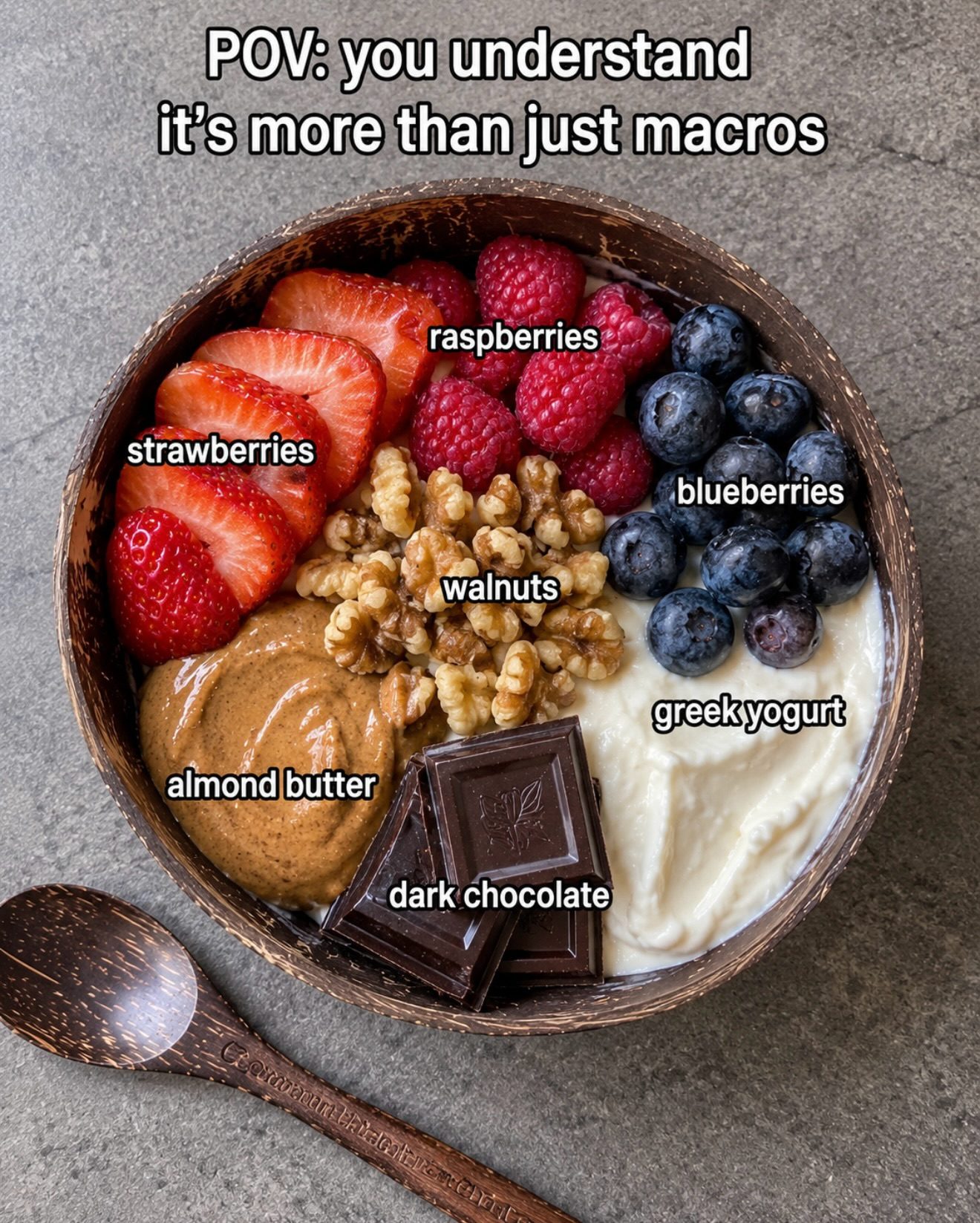
Antioxidant-rich foods help protect the body from oxidative stress and inflammation. Berries, dark chocolate, and colorful fruits and vegetables are packed with antioxidants. A breakfast bowl with Greek yogurt, berries, walnuts, almond butter, and dark chocolate is not only delicious but also provides a rich source of antioxidants. This combination of nutrients supports overall health and helps maintain energy levels.
4. Fiber and Micronutrients
Fiber and micronutrients are vital for digestive health and overall well-being. Foods rich in fiber, such as fruits, vegetables, and whole grains, help maintain stable blood sugar levels and promote bowel regularity. Micronutrients, including vitamins and minerals, are essential for various bodily functions. Incorporating a variety of colorful fruits and vegetables, like strawberries and red bell peppers, into your meals ensures a balanced intake of fiber and micronutrients.
5. Gut-Friendly Foods
Gut health plays a fundamental role in overall well-being. Foods like yogurt, kimchi, and sauerkraut are rich in probiotics, which support a healthy gut microbiome. Incorporating these foods into your diet can enhance digestion, boost immunity, and even improve mood. A meal prep container with grilled chicken, feta cheese, and a Mediterranean salad, paired with greek yogurt, tzatziki sauce, and edamame, offers a balanced meal that supports gut health.
Practical Tips
Meal Prep for Success
Meal prepping can be a game-changer for maintaining a balanced diet. By planning and preparing your meals in advance, you can ensure that you have nutritious options readily available. Invest in meal prep containers and set aside time each week to prep your meals. This can include everything from a Mediterranean salad with grilled chicken, feta cheese, and avocado to a high-protein meal with ribeye steak, sautéed mushrooms, and a side of sautéed courgette.
App for Health Tracking
Tracking your progress and staying consistent with your health goals is essential. Utilizing a smartphone app like Workit can help you stay on track with meals, workouts, steps, water intake, and overall progress. This app not only allows you to set goals and track your water intake but also offers a potential earning balance for workouts and healthy eating, making the process more engaging and rewarding.
Ingredient Lists
For creating balanced meals, consider ingredient lists like:
- Fruit-based breakfast bowl: fresh fruits like raspberries, strawberries, and blueberries, along with walnuts, almond butter, and dark chocolate
- Mediterranean meal prep: grilled chicken, feta cheese, Mediterranean salad, tzatziki sauce, edamame, and roasted chickpeas
- Protein-rich meal: ribeye steak, sautéed mushrooms, kimchi, red bell pepper, strawberries, parmesan flakes, and an over easy egg
Important Takeaways
Nutrition is about more than just counting calories. By focusing on nutrient-dense foods and balanced meals, you can improve your overall health and well-being. Incorporating quality protein, healthy fats, antioxidant-rich foods, fiber, micronutrients, and gut-friendly foods into your diet can lead to significant benefits, including better energy levels, improved recovery, and enhanced satiety.
Eating balanced meals that look and taste good can make the process of maintaining a healthy diet more enjoyable and sustainable. Avoiding bland, repetitive meals and embracing variety ensures that you can stick to your nutritional goals without feeling deprived.
Conclusion
Building balanced meals around quality protein, healthy fats, antioxidant-rich foods, fiber, micronutrients, and gut-friendly foods can transform your eating habits and overall health. Utilizing tools like meal prepping and health tracking apps can help you stay consistent and make the process more enjoyable. By prioritizing nutrient balance, you can achieve greater satiety, better energy levels, and improved recovery, ultimately leading to a healthier and happier life.
Watch the Reel
Questions readers ask
What are the key components of a balanced meal?
A balanced meal includes a harmony of proteins, healthy fats, and antioxidant-rich foods. Proteins are essential for muscle repair and growth, healthy fats support brain function and energy, and antioxidants help combat inflammation and support overall health.
How can balanced meals help with energy levels?
Focus on nutrient balance can enhance your energy levels by providing sustained fuel for your body. Unlike high-carb or high-fat meals that can cause energy spikes and crashes, balanced meals offer a steady release of energy throughout the day.
How do I incorporate more healthy fats into my meals?
Include foods like avocados, nuts, seeds, and olive oil in your meals. These foods are rich in healthy fats and can support heart health and brain function. For example, you can add avocado to salads or use olive oil as a dressing base.
What are some high-protein meal ideas for balanced nutrition?
Greek yogurt is a great source of protein and can be incorporated into various meals. Other high-protein meal ideas include grilled chicken with quinoa and vegetables, or a lentil soup with a side of whole-grain bread.
How can I start planning balanced meals for the week?
Use a meal planning app to help organize your meals for the week. Choose a variety of recipes that incorporate proteins, healthy fats, and antioxidant-rich foods. Apps like WorkIt Nutrition can provide personalized meal plans and recipes tailored to your nutritional needs.
Why should I consider a Mediterranean diet for balanced meals?
The Mediterranean diet is rich in healthy fats, proteins, and antioxidants. It emphasizes foods like olive oil, nuts, seeds, fruits, vegetables, and lean proteins. This meal plan can support heart health and provide a wide range of essential nutrients.
What are some quick and easy balanced meal ideas for busy days?
For busy days, opt for simple and nutritious meals like a Greek yogurt parfait with mixed berries and a handful of nuts, or a quick salad with grilled chicken, avocado, and a variety of colorful vegetables. These meals can be prepared in advance and are convenient to grab on the go.
Recent articles
Fresh deep dives from the latest Reels we unpacked.




Comments
Be the first to comment.