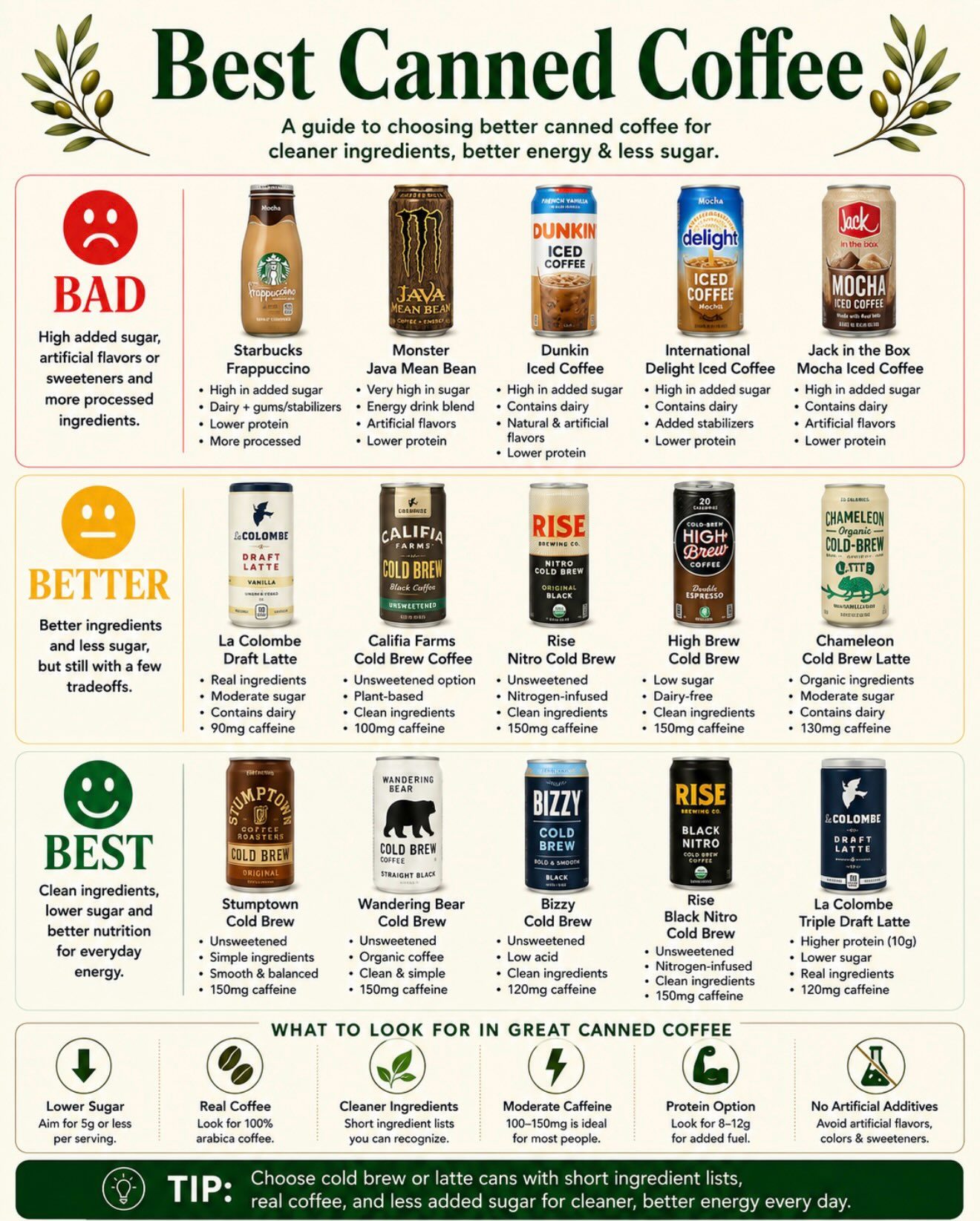
Grocery Shopping for Health: Making Smarter Swaps
Choosing the right groceries is a crucial step in achieving your health and fitness goals. It’s not about having a “perfect” grocery cart, but rather making a few key swaps to support your overall health. This guide focuses on helping you compare everyday options and select the best choices for your needs.
Why This Matters
Understanding how to choose healthier options at the grocery store can significantly impact your well-being. Whether you’re looking to increase your protein intake, reduce sodium, or simply make smarter choices, the right swaps can make a big difference. In this guide, you’ll learn how to evaluate different products and make informed decisions.
Making Informed Choices
When navigating the aisles, it's essential to look beyond the front of the package. Two products that seem almost identical can have significant differences in added sugar, sodium, protein, processing, and ingredient quality. Let's break down some key factors to consider:
Protein
Protein is a critical component of any balanced diet, especially for main meals. When selecting protein sources, look for options that provide a meaningful amount per serving. For example, compare different types of meatballs. Some might be labeled as "high protein," but upon closer inspection, you might find that they contain a lot of sodium or processed ingredients. Opt for options with higher protein content and fewer fillers.
Sodium
Frozen and packaged foods can quickly add up in sodium content. To manage your sodium intake, compare similar products side by side. Check the nutrition labels and choose the one with the lower sodium content. This can help you maintain a healthier balance and avoid excess sodium intake.
Added Sugar
When choosing fruit and smoothie packs, always check the ingredient list to ensure it contains real fruit without syrups or sweetened concentrates. Products that claim to be "natural" or "no sugar added" can sometimes hide added sugars in other forms. Look for recognizable ingredients and be wary of products with a long list of sugars.
Ingredients
A shorter ingredient list is not always better, but it’s a good starting point. Look for recognizable ingredients and fewer unnecessary fillers. Products with shorter, more familiar ingredient lists are typically healthier and less processed. This can make a significant difference in the overall quality and nutritional value of your food.
Sourcing
For seafood, sourcing is crucial. Look for clear information about where and how it was caught or farmed. Sustainable and responsibly sourced seafood not only supports environmental health but also ensures better nutritional value. For example, opt for wild-caught fish over farm-raised when possible, as it often contains fewer contaminants and contaminants.
Caffeine
Caffeine can be a double-edged sword. While it can provide a quick energy boost, too much can disrupt sleep and make you feel jittery. Choose an amount that supports your energy levels without causing adverse effects. Opt for products like matcha or green tea, which have natural caffeine and additional health benefits.
Simplifying Your Grocery Shopping
Healthy eating should make your life easier, not more stressful. Here are some practical tips to simplify your grocery shopping:
- Compare Labels: Instead of overanalyzing every product, focus on comparing two or three similar options. Choose the one that best fits your needs and budget.
- Prioritize Key Factors: Identify the most important factors for you (protein, sodium, etc.) and prioritize these when making your choices.
- Use Your Phone As a Resource: Many mobile apps, like Water Intake, can help simplify your routine with personalized meal plans, healthy recipes, and progress tracking.
- Plan Ahead: Make a list of the items you need before you go shopping. This will help you stay focused and avoid impulse buys.
- Choose Whole Foods: When possible, opt for whole foods over processed ones. These are generally healthier and more nutritious.
Practical Tips
Making smarter swaps begins with understanding what to look for. Here are some practical tips to help you navigate the grocery store:
- Read Labels Thoroughly: Don’t just glance at the front of the package. Flip it over and read the ingredient list and nutrition facts.
- Focus on Real Food: Whole, unprocessed foods are generally more nutritious and better for your health. Opt for fresh produce, lean proteins, and whole grains.
- Avoid Marketing Tricks: Be wary of claims like "low fat" or "sugar-free." These products often contain hidden sugars or unhealthy fats.
- Be Mindful of Portions: Even healthy foods can be unhealthy if consumed in excess. Pay attention to serving sizes and adjust your portions accordingly.
Important Takeaways
The key to smart grocery shopping is to focus on choices that align with your health goals, not to strive for a perfect grocery cart. By making a few informed swaps, you can significantly improve your overall well-being. Remember, your overall eating habits matter more than individual food choices.
Conclusion
Healthy grocery shopping doesn't have to be overwhelming. By understanding how to evaluate products and make smarter swaps, you can support your health goals effectively. Whether you're looking to increase your protein intake, reduce sodium, or choose more nutritious options, the right choices can make a big difference.
Watch the Reel
Questions readers ask
How can I quickly compare products while grocery shopping to make healthier choices?
Focus on the nutrition label and ingredients list. Pay attention to the amount of protein, sodium, and sugar per serving. Choose items with higher protein and lower sodium and sugar content.
What are some healthy swaps for high-sodium foods?
Opt for fresh or frozen vegetables instead of canned ones, which often contain high amounts of sodium. Choose low-sodium varieties, or rinse canned goods before using. Also, select low-sodium broths and snacks like unsalted nuts instead of salty options.
Which frozen meals are healthier options and how can I identify them?
Look for frozen meals with higher protein and lower sodium and sugar content. Opt for meals with lean proteins and plenty of vegetables. Check the nutrition label to compare and ensure the meal aligns with your dietary needs and goals.
What are some tips for reducing sugar intake through better grocery choices?
Avoid sugary drinks and opt for water or unsweetened beverages. Choose fresh fruits over canned fruits packed in syrup, and select products with no added sugars. Always check the nutrition label for sugar content, including hidden sugars in low-fat or low-sodium items.
How can I incorporate more protein into my diet by making simple grocery swaps?
Choose lean proteins like chicken, turkey, fish, beans, and lentils. Opt for Greek yogurt over regular yogurt, and select protein-packed snacks like nuts and seeds. Integrate protein-packed foods into your cart by adding items like whole grains, nut butters, and fortified cereals.
What are some smart swaps for healthier smoothies?
Choose whole fruits and vegetables over fruit juices. Opt for Greek yogurt or plant-based milks for added protein and creaminess. Use whole, unflavored smoothie packs as a base, and add your own fresh ingredients to control the sugar content.
Recent articles
Fresh deep dives from the latest Reels we unpacked.




Comments
Be the first to comment.