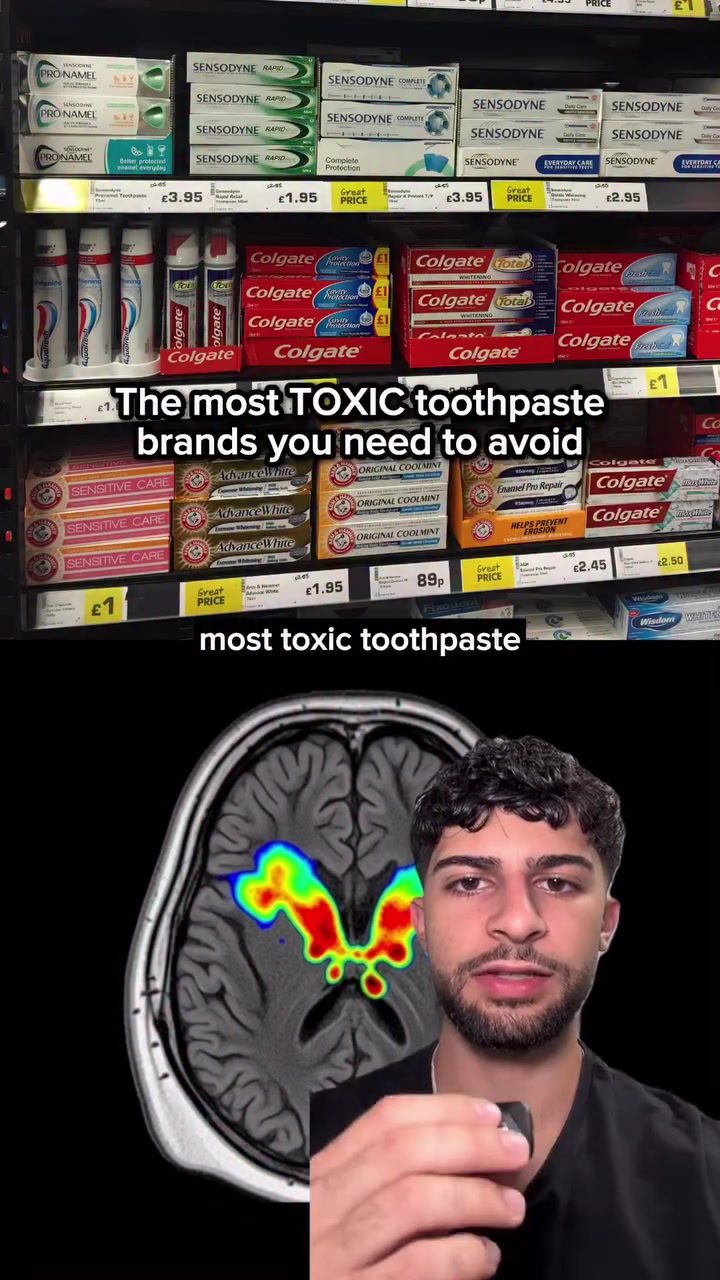
Toothpaste Brands and Controversial Ingredients: What You Need to Know
Toothpaste is a staple in daily oral hygiene routines. However, some brands have come under scrutiny due to concerns over contaminants and ingredients. Understanding these issues can help consumers make more informed choices about the products they use.
Why This Matters
Choosing a toothpaste involves more than just picking a flavor or brand. The ingredients in toothpaste can have significant impacts on health. Some toothpastes contain elements that have sparked controversy due to potential health risks. Being aware of these issues is crucial for maintaining not just dental health but overall well-being.
Controversial Ingredients in Toothpaste
Several toothpaste brands have been highlighted for containing ingredients that raise concerns.
Contaminants in Colgate
Colgate has faced lawsuits alleging lead contamination. Lead is a neurotoxin that can cause severe health issues, including developmental problems and neurological damage. The presence of lead in toothpaste is particularly alarming because it is a product used daily, often by children.
Oral-B and Neurotoxins
Oral-B toothpaste has been criticized for containing ingredients that critics claim may reduce cognitive function. While the specific neurotoxins are not always named, the concern is that these compounds could impact brain health, particularly with long-term use.
Arsenic in Sensodyne
Sensodyne has been flagged for containing arsenic, a known carcinogen. Arsenic exposure can lead to a variety of health problems, including heart disease. Independent testing has reported the presence of arsenic in some Sensodyne products, raising questions about the safety of this widely used brand.
Titanium Dioxide in Crest
Crest toothpaste contains titanium dioxide, an ingredient that has been linked to DNA damage. Titanium dioxide is commonly used as a whitening agent in toothpaste, but it has been classified as a potential carcinogen by some health organizations. This ingredient is particularly concerning because of its potential to disrupt cellular processes.
Heavy Metals in Supposedly Clean Brands
Even brands marketed as "clean" or natural, such as Hello, Tom's of Maine, and Arm & Hammer, have been found to contain heavy metals in some of their products. These metals, which can include lead, mercury, and arsenic, pose significant health risks, especially with regular exposure.
The Case for Homemade Toothpaste
Given these concerns, some people opt to make their own toothpaste at home. Homemade toothpaste allows for complete control over the ingredients, ensuring that no harmful contaminants are present. Common ingredients in homemade toothpaste include baking soda, coconut oil, and essential oils, which are generally considered safe and effective for oral care.
Practical Tips for Choosing Safer Toothpaste
When selecting a toothpaste, consider the following tips to avoid potentially harmful ingredients:
- Read Labels Carefully: Check the ingredient list for any known contaminants or potentially harmful substances.
- Look for Natural Alternatives: Opt for toothpastes that use natural ingredients and avoid synthetic chemicals.
- Consider Homemade Options: Making your own toothpaste can be a cost-effective and safe alternative, using simple, natural ingredients.
- Avoid Brands with Controversies: Be wary of brands that have faced lawsuits or independent testing reports indicating the presence of harmful substances.
- Consult Professional Advice: If you have specific health concerns, consult a dentist or healthcare provider for personalized recommendations.
Important Takeaways
Understanding the potential risks associated with certain toothpaste brands is essential for making informed choices. While many brands have faced controversy over contaminants or questionable ingredients, there are steps consumers can take to ensure they are using a safer product. Whether choosing a commercial brand or making your own toothpaste, being mindful of the ingredients is key to maintaining good oral health.
Conclusion
The world of toothpaste is more complex than it seems, with various brands facing scrutiny over their ingredients. By being informed and proactive, you can choose a toothpaste that supports your overall health and well-being. Whether opting for a commercial brand or making your own, prioritizing natural and safe ingredients is crucial for maintaining good oral hygiene.
Watch the Reel
Questions readers ask
Which brands of toxic toothpaste should I avoid?
It is recommended to avoid Colgate toothpaste with triclosan, which is a neurotoxin that has sparked controversy. Also, be wary of tube brands like Crest that might contain titanium dioxide, a potential carcinogen. Products without a clear disclaimer or ingredient list should also be avoided.
What harmful ingredients should I look out for in toothpaste?
Key ingredients to avoid include arsenic, lead, triclosan, and titanium dioxide. Arsenic and lead are toxic metals that can harm your health, while triclosan is a neurotoxin. Titanium dioxide is a controversial ingredient because it may be a carcinogen.
What are the potential health risks associated with toxic toothpaste?
Exposure to harmful ingredients in toothpaste, such as arsenic and lead, can lead to serious conditions like cancer, neurological disorders, and developmental problems. Neurotoxins like triclosan can affect brain function and overall health.
What are safer alternatives to toxic toothpaste?
When looking for safer alternatives, seek out brands that clearly list their ingredients and avoid the controversial ones. Tom's Of Maine and Hello are two brands that have received positive reviews for their commitment to using natural and safe ingredients. Make sure to do your own research on brands like Hello to ensure the products are safe for your needs.
Can toxic toothpaste cause oral health issues?
Yes, using a toothpaste with harmful ingredients can lead to oral health issues. For example, neurotoxins can affect the nerves in your mouth, while other contaminants can cause gum irritation, tooth sensitivity, and other complications. Always prioritize your health and choose products with safe and effective ingredients.
How can I identify a toxic toothpaste?
A good first step is to check the ingredient list for the harmful substances mentioned above. If a toothpaste does not clearly list its ingredients, it is best to avoid it. Look for certifications and endorsements from reputable organizations and consider seeking reviews from other consumers.
What steps can I take to minimize the risk of using a toxic toothpaste?
To minimize risk, always read the ingredient list before buying a toothpaste. Choose brands that prioritize transparency and use natural, safe ingredients. If you have concerns about a specific brand, consider reaching out to the manufacturer for more information.
Related deep dives
Similar reads based on topic and creator.

Recent articles
Fresh deep dives from the latest Reels we unpacked.




Comments
Be the first to comment.