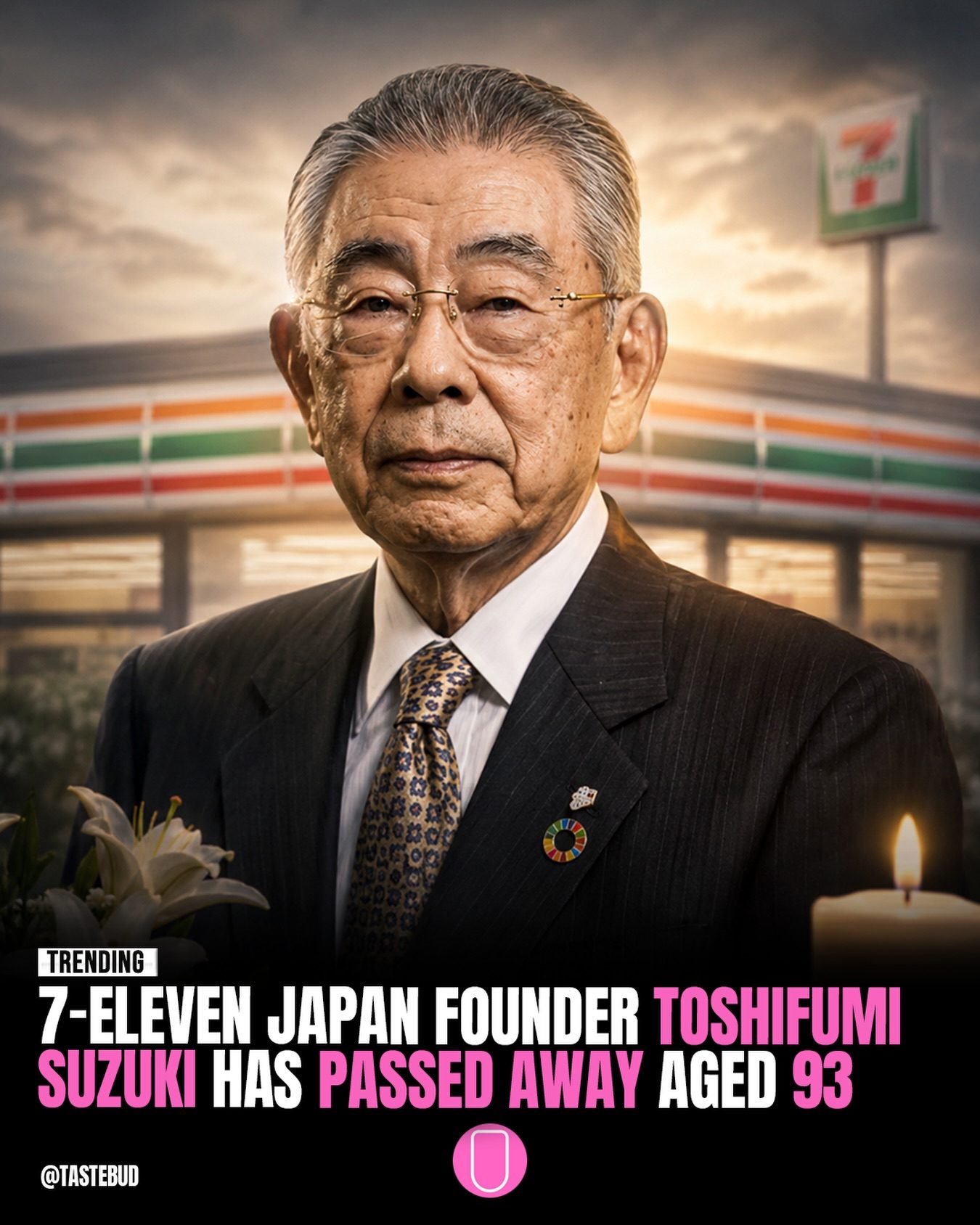
Toshifumi Suzuki and the Revolution of Japanese Convenience Stores
Toshifumi Suzuki, a pivotal figure in the evolution of Japan’s convenience store landscape, has passed away at the age of 93. His legacy is indelibly linked to the rise of 7-Eleven in Japan and the transformation of convenience stores from basic retail outlets to sophisticated, service-oriented hubs.
Context / Why This Matters
Convenience stores, or "konbini," are a staple of Japanese life. They are more than just places to grab a quick snack or drink; they are community centers, offering a wide range of services that go far beyond typical retail operations. This transformation was largely driven by Suzuki’s innovative approach, which introduced data-driven inventory systems and expanded the scope of services available to customers.
Suzuki’s Impact on 7-Eleven and Japanese Retail
The Birth of 7-Eleven in Japan
In 1974, Suzuki helped establish the first 7-Eleven store in Japan. This marked the beginning of a retail revolution that would redefine how convenience stores operate. Under his leadership, 7-Eleven Japan quickly grew from a single store to a nationwide chain, setting the standard for convenience store operations in the country.
Data-Driven Inventory Systems
One of Suzuki’s most significant contributions was the introduction of data-driven inventory systems. These systems allowed 7-Eleven to optimize stock levels based on real-time data, reducing waste and ensuring that popular items were always available. This approach not only improved efficiency but also enhanced the customer experience by ensuring that shelves were always stocked with the products consumers wanted.
Expanded Services
Beyond inventory management, Suzuki expanded the services offered by 7-Eleven Japan. Customers could not only buy snacks and drinks but also pay utility bills, send packages, and even withdraw money. This expansion of services turned convenience stores into one-stop shops, making them an essential part of daily life for many Japanese people.
The Legacy of Toshifumi Suzuki
Suzuki’s impact on Japanese convenience stores is profound. His innovations have made Japan’s convenience store culture one of the most advanced in the world. Today, 7-Eleven Japan is a model for convenience stores globally, known for its efficiency, cleanliness, and comprehensive services.
Suzuki’s approach to retail has also influenced other sectors. His emphasis on data-driven decision-making and customer-centric services has set a benchmark for businesses across various industries in Japan.
Practical Tips
For Retailers
If you’re a retailer looking to enhance your operations, consider the following tips inspired by Suzuki’s approach:
- Implement Data-Driven Systems: Use real-time data to manage inventory. This will help you understand what products are in demand and adjust your stock accordingly.
- Expand Your Services: Think beyond traditional retail. Offer additional services that can make your store a one-stop shop for customers.
- Focus on Customer Experience: Ensure that your store is clean, well-organized, and offers a pleasant shopping experience. This will keep customers coming back.
For Customers
Here’s how you can make the most of your convenience store visits:
- Take Advantage of Extended Services: Use the additional services offered by convenience stores, such as bill payments and package shipping.
- Provide Feedback: Many convenience stores value customer feedback. Share your thoughts to help improve the services and products available.
Important Takeaways
- Innovation is Key: Suzuki’s success was driven by his innovative approach to retail. By introducing data-driven inventory systems and expanding services, he transformed convenience stores into essential community hubs.
- Efficiency Matters: Efficient operations are crucial for retail success. Using data to manage inventory and optimize service offerings can greatly enhance customer satisfaction.
- Customer-Centric Services: Focusing on customer needs and offering a wide range of services can turn a convenience store into a one-stop shop, making it an indispensable part of daily life.
Conclusion
Toshifumi Suzuki’s contributions to the retail industry, particularly in the convenience store sector, cannot be overstated. His pioneering approach has not only transformed 7-Eleven Japan but has also set a global standard for convenience store operations. As we reflect on his legacy, it’s clear that his innovations continue to shape the way we think about retail and customer service.
Watch the Reel
Questions readers ask
Who was Toshifumi Suzuki and what was his role at 7-Eleven Japan?
Toshifumi Suzuki was a pioneering figure in Japanese retail, best known for his transformative impact on 7-Eleven Japan. He served as the company's president and CEO, overseeing its expansion and transformation into a community hub model.
How did Toshifumi Suzuki redefine the convenience store experience in Japan?
Suzuki introduced data-driven inventory management systems that ensured stores were well-stocked with items customers wanted. He also expanded the range of services offered, turning convenience stores into community hubs where customers could pay bills, pick up packages and more.
What was the impact of Suzuki’s approach on the retail landscape in Japan?
Suzuki’s innovative strategies led to a boom in convenience stores across Japan. His approach changed the perception of these stores from simple retail outlets to essential community centers, making them integral to daily life in Japan.
What specific innovations did Suzuki bring to 7-Eleven Japan?
Suzuki pioneered the use of data analytics in inventory management, which helped 7-Eleven Japan maintain optimal stock levels. He also introduced a variety of new services, such as bill payment and package pickup, enhancing the utility of convenience stores and setting a new standard in the industry.
How did Toshifumi Suzuki's legacy influence the broader Japanese retail sector?
Suzuki’s legacy includes inspiring other retailers to adopt similar strategies, leading to a broader transformation in the Japanese retail sector. The focus on community-oriented services and data-driven operations has become a benchmark for other convenience store chains and even other retail sectors in Japan.
Related deep dives
Similar reads based on topic and creator.


Recent articles
Fresh deep dives from the latest Reels we unpacked.




Comments
Be the first to comment.