Severe Weather in Chicago
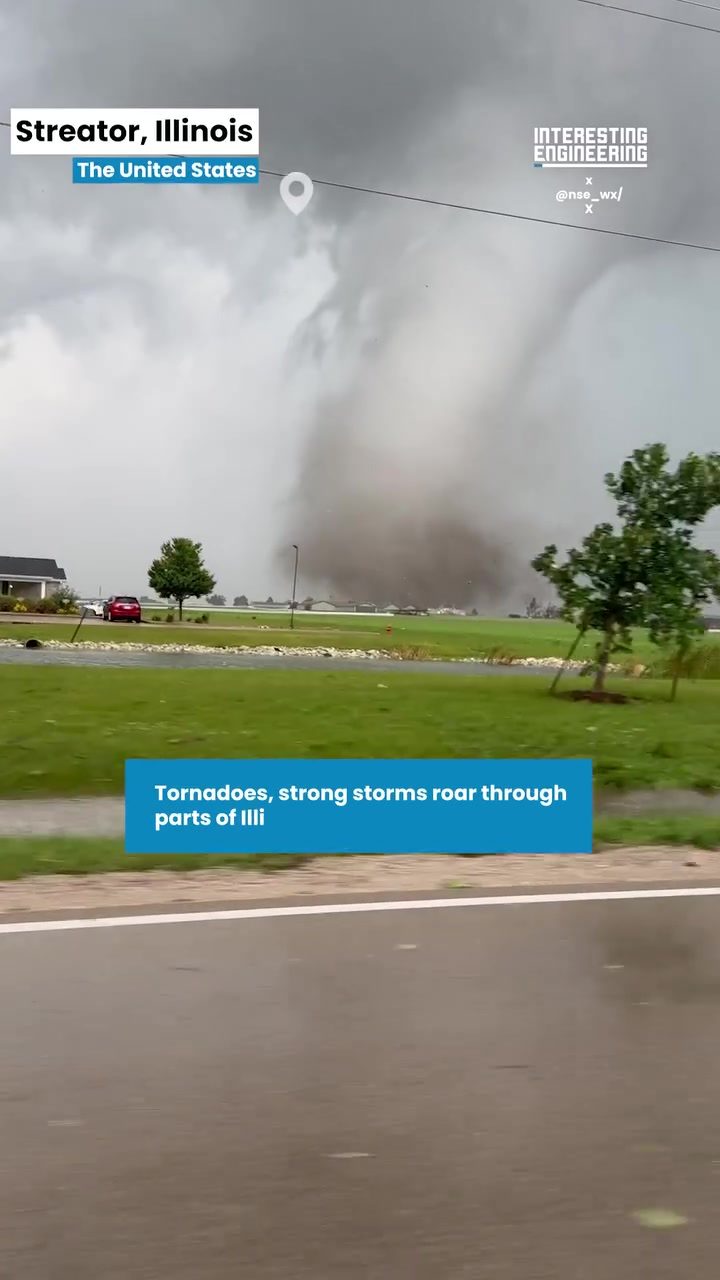
The severe weather that struck Chicago, Illinois, and surrounding areas on a recent Thursday is a stark reminder of the power and unpredictability of nature. Multiple large tornadoes touched down near Streator and Dwight, causing significant structural damage and prompting an extensive response from emergency services.
Why This Matters
Severe weather events, such as tornadoes, are not uncommon in the Midwest, but their impact can be devastating. Understanding the conditions that lead to these events, the damage they cause, and the response efforts is crucial for preparedness and safety.
Main Discussion
The Tornadoes
The National Weather Service confirmed multiple large tornado touchdowns near Streator and Dwight, Illinois. The tornadoes caused heavy structural damage, including the destruction of buildings and infrastructure.
Impact on the Community
The aftermath of these tornadoes was severe. Rescue and clean-up efforts are ongoing, with reports of a man being rescued from a destroyed home. This highlights the immediate danger and long-term disruption that such events can cause.
Severe Weather Alerts
Overall, more than 90 million people were under severe weather alerts, illustrating the widespread impact of these storms. The alerts are a critical part of public safety, as they provide early warnings that can help people prepare and take shelter.
Response Efforts
The response to the tornadoes involved various emergency services, including troopers who responded to downed power lines and gas leaks. The state police played a crucial role in managing the situation, ensuring that the affected areas were safe and that necessary repairs were initiated promptly.
Damage and Aftermath
The damage reported includes downed power lines and gas leaks, which pose additional hazards. Repairing this infrastructure is a priority to restore essential services and prevent further damage.
Community Resilience
The community's resilience is evident in the ongoing rescue and clean-up efforts. The images of the aftermath show the destruction, but also the determination of the community to rebuild and recover.
Practical Tips
Preparing for Severe Weather
Living in areas prone to severe weather requires preparation. Here are some practical tips to stay safe:
- Stay Informed: Keep an eye on weather alerts and updates from reliable sources like the National Weather Service.
- Emergency Kit: Have an emergency kit ready with essentials like water, non-perishable food, a first-aid kit, flashlights, and any necessary medications.
- Shelter: Know where the safest places are in your home or workplace to take shelter during a tornado.
- Communication: Have a plan for communicating with family members and friends during and after the event.
Responding to Tornadoes
If a tornado warning is issued:
- Find Shelter: Immediately move to a designated shelter area, such as a basement or an interior room on the lowest level of a sturdy building.
- Stay Away from Windows: Windows can shatter and cause injury.
- Stay Put: Do not leave your shelter until the all-clear is given by authorities.
Post-Tornado Safety
After a tornado, safety is still a concern:
- Avoid Downed Power Lines: Report them to the authorities and stay clear.
- Check for Gas Leaks: If you smell gas, evacuate the area and contact emergency services.
- Be Cautious: Watch for fallen trees, broken glass, and other debris that can cause injury.
Important Takeaways
Severe weather events, like the recent tornadoes in Illinois, highlight the importance of preparedness and community response. Understanding the risks, staying informed, and knowing what to do in an emergency can save lives and minimize damage. The community's resilience and the coordinated response of emergency services are crucial in the recovery process.
Conclusion
The severe weather that hit Chicago and surrounding areas serves as a reminder of the importance of preparedness and response. From the immediate danger posed by the tornadoes to the ongoing rescue and clean-up efforts, every aspect of the event underscores the need for vigilance and community support. Staying informed, having a plan, and knowing how to respond can make a significant difference in ensuring safety and recovery.
Watch the Reel
Questions readers ask
What areas in Illinois were most affected by the recent tornadoes?
The most affected areas were near Streator and Dwight, Illinois. These regions experienced multiple large tornado touchdowns, which resulted in significant structural damage and widespread impact. The tornadoes caused immediate danger and prompted an extensive response from emergency services.
How did the community respond to the tornado devastation in Chicago?
The community response was swift and extensive. Emergency services were deployed to assist in rescue efforts. The National Guard was activated to help with the recovery process, including infrastructure repairs and addressing hazards such as downed power lines and gas leaks.
What kind of infrastructure repairs were necessary after the tornadoes?
Infrastructure repairs included addressing downed power lines, which caused power outages in the affected areas. Additionally, fixing gas leaks and damaged roads and buildings were essential parts of the recovery process. The National Guard played a key role in these efforts.
How does the recent tornado event in Chicago compare to other severe weather events in the Midwest?
The recent tornado event in Chicago is a stark reminder of the power and unpredictability of severe weather in the Midwest. While tornadoes are not uncommon in the region, the extent of the damage and the immediate danger posed by the tornadoes highlight the need for preparedness and effective response strategies. The event underscores the necessity for infrastructure resilience and community response.
What role did the National Guard play in the aftermath of the Chicago tornadoes?
The National Guard was instrumental in the aftermath of the tornadoes. They assisted in rescue efforts, helped with infrastructure repairs, and addressed hazards such as downed power lines and gas leaks. Their involvement was crucial for the recovery process and ensuring the safety of the affected communities.
What should residents do to prepare for future severe weather events in Chicago?
Residents should stay informed about weather conditions and heed warnings from the National Weather Service. Having an emergency plan, including an emergency kit with essential supplies, and knowing how to safely evacuate or shelter in place, is crucial. Understanding the potential hazards and knowing how to respond to them can significantly enhance safety during severe weather events.
Related deep dives
Similar reads based on topic and creator.

Recent articles
Fresh deep dives from the latest Reels we unpacked.




Comments
Be the first to comment.