Vitamins and Food
Vitamins are essential for maintaining a healthy body, and the foods we eat are the primary source of these vital nutrients. This guide delves into some of the best whole-food sources of essential vitamins, providing practical tips on incorporating them into your daily diet.
Why This Matters
Your body needs more than just calories; it relies on micronutrients to function optimally. Vitamins play a crucial role in various bodily processes, including energy production, immune function, and cell repair. Focusing on whole-food sources of vitamins ensures that you get the necessary nutrients without the added sugars and processed ingredients often found in supplements.
Main Discussion
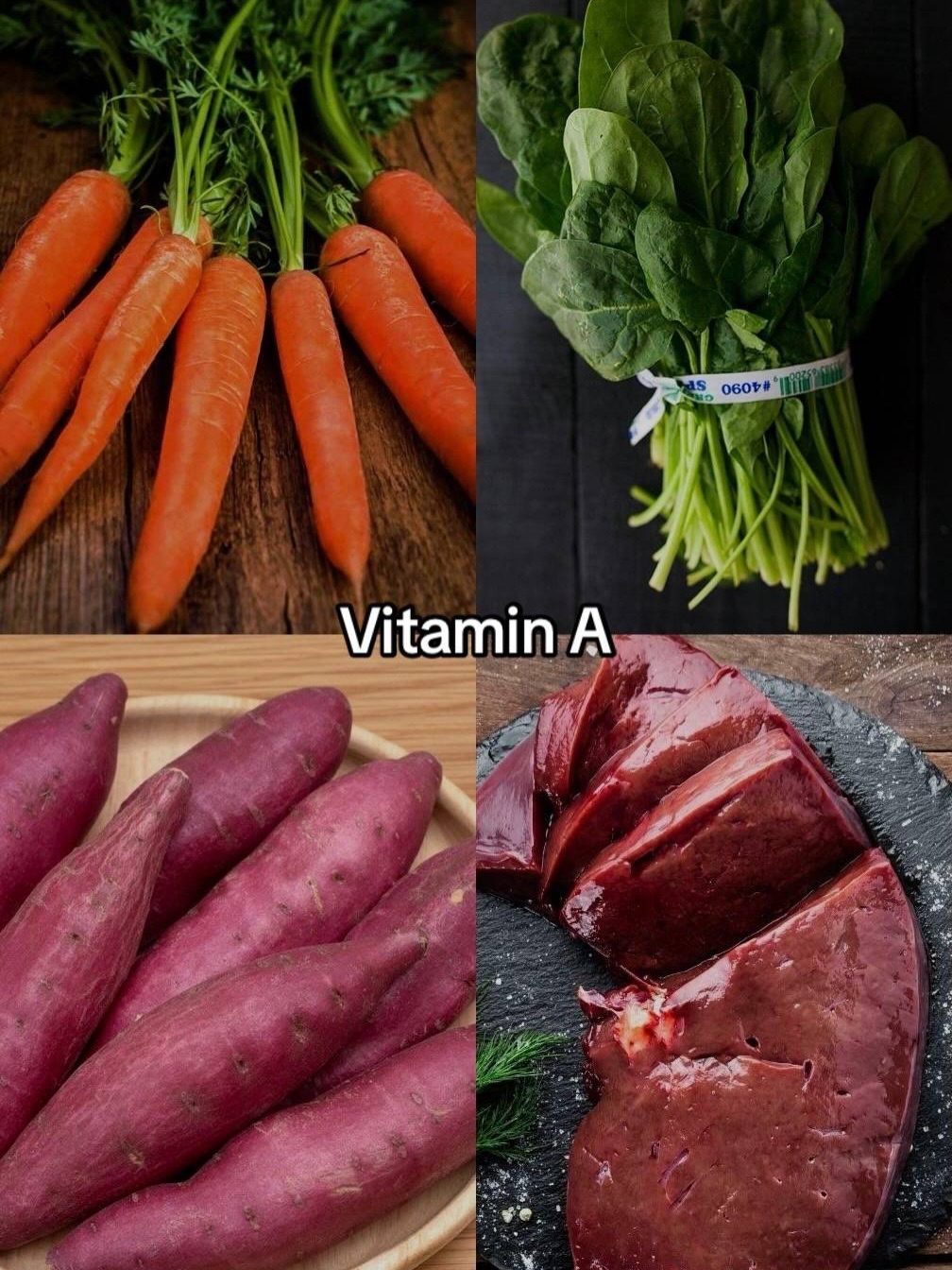
Vitamin A
Vitamin A is critical for maintaining good vision, supporting the immune system, and promoting healthy skin. Some of the best whole-food sources of Vitamin A include:
- Carrots: Known for their high beta-carotene content, carrots are a great source of Vitamin A. They can be enjoyed raw, cooked, or juiced.
- Spinach: This leafy green is packed with Vitamin A and can be added to salads, smoothies, or cooked dishes.
- Sweet Potatoes: A versatile root vegetable, sweet potatoes are rich in beta-carotene and can be baked, roasted, or mashed.
- Liver: Liver is one of the most concentrated sources of Vitamin A, but it should be consumed in moderation due to its high cholesterol content.
Vitamin B
Vitamin B is a group of eight water-soluble vitamins that play essential roles in cell metabolism. Whole-food sources of Vitamin B include:
- Rice: Brown rice, in particular, is a good source of B vitamins, including thiamine, riboflavin, and niacin.
- Beef: Lean beef provides several B vitamins, including B6 and B12, which are crucial for energy production and neurological function.
- Beans: Various types of beans, such as kidney beans and black beans, are rich in B vitamins and can be incorporated into a variety of dishes.
- Eggs: Eggs are a versatile source of B vitamins, including B2, B5, and B12, and can be prepared in numerous ways.
Vitamin C
Vitamin C is essential for immune function, collagen production, and iron absorption. Some excellent whole-food sources of Vitamin C include:
- Strawberries: These delicious fruits are high in Vitamin C and can be enjoyed fresh, frozen, or in smoothies.
- Broccoli: A cruciferous vegetable, broccoli is not only rich in Vitamin C but also contains other beneficial nutrients like fiber and folate.
- Red Peppers: Bell peppers, particularly the red variety, are an excellent source of Vitamin C and can be used in salads, stir-fries, and other dishes.
- Oranges: Known for their Vitamin C content, oranges can be eaten as a snack or juiced for a refreshing beverage.
Vitamin D
Vitamin D is crucial for bone health, immune function, and calcium absorption. Whole-food sources of Vitamin D include:
- Milk: Fortified milk is a common source of Vitamin D, but it is also found naturally in some dairy products.
- Eggs: The yolks of eggs contain small amounts of Vitamin D, making them a versatile addition to any meal.
- Salmon: Fatty fish like salmon are rich in Vitamin D and omega-3 fatty acids, which are beneficial for heart health.
- Mushrooms: Mushrooms are one of the few plant-based sources of Vitamin D and can be added to a variety of dishes.
Vitamin E
Vitamin E is a powerful antioxidant that supports immune function and helps protect cells from damage. Whole-food sources of Vitamin E include:
- Almonds: These nuts are high in Vitamin E and can be enjoyed as a snack or added to salads and trail mixes.
- Sunflower Seeds: These seeds are a good source of Vitamin E and can be sprinkled on top of oatmeal, yogurt, or salads.
- Avocado: Avocados are rich in various nutrients, including Vitamin E, and can be used in salads, sandwiches, or as a standalone snack.
- Spinach: As mentioned earlier, spinach is a versatile leafy green that provides numerous nutrients, including Vitamin E.
Vitamin K
Vitamin K is essential for blood clotting and bone health. Whole-food sources of Vitamin K include:
- Kale: This leafy green is packed with Vitamin K and can be added to salads, smoothies, or cooked dishes.
- Cabbage: Cabbage is a good source of Vitamin K and can be prepared in various ways, including raw, fermented, or cooked.
- Parsley: This herb is rich in Vitamin K and can be used as a garnish or added to sauces and dressings.
- Cucumbers: Cucumbers are a refreshing source of Vitamin K and can be enjoyed in salads, sandwiches, or as a snack.
Practical Tips
Incorporating Vitamins into Your Diet
- Plan Your Meals: Incorporate a variety of vitamin-rich foods into your daily meals. For example, add spinach to your morning smoothie, snack on almonds and strawberries, and include sweet potatoes in your evening meal.
- Use a Nutrition Tracking App: Apps like Workit can help you stay consistent with your nutrition goals. These apps provide data-driven insights, track your daily calories, macros, and deficit goals, and even offer rewards for staying healthy.
- Be Intentional: Healthy eating doesn't have to be complicated. Focus on incorporating whole foods into your diet and avoiding processed foods. This ensures that you get the necessary nutrients without added sugars or preservatives.
- Stay Active: Regular exercise complements a healthy diet by boosting your metabolism and improving overall fitness. Tracking your workouts and progress can also motivate you to stay consistent.
Important Takeaways
- Vitamins play a crucial role in maintaining overall health and wellness.
- Incorporating a variety of whole foods into your diet ensures that you get the necessary nutrients.
- Planning your meals, using nutrition tracking apps, and being intentional about your food choices can help you achieve your health goals.
Conclusion
Nourishing your body with the right vitamins and minerals is essential for optimal health. By focusing on whole-food sources of essential vitamins, you can enhance your energy levels, improve your skin, and support your overall wellness. Incorporating these nutrients into your daily diet and using tools like nutrition tracking apps can help you stay consistent and motivated on your health journey.
Watch the Reel
Questions readers ask
What are some of the best whole-food sources of Vitamin A?
Carrots, sweet potatoes, and spinach are excellent whole-food sources of Vitamin A. These foods are not only rich in Vitamin A but also provide other beneficial nutrients. Including these in your daily meals can support your vision and overall immune function.
How can I incorporate Vitamin B into my daily diet through whole foods?
Whole grains like brown rice, lean proteins such as beef and poultry, and legumes like lentils and beans are great sources of Vitamin B. These foods can be easily integrated into meals like stir-fries, salads, and stews, ensuring a steady intake of Vitamin B to support energy production and cell health.
Why is it important to focus on whole-food sources of vitamins?
Whole foods provide a comprehensive package of nutrients, including vitamins, minerals, and fiber, which work synergistically to support your body's health. In contrast, supplements often contain isolated nutrients and may lack the additional benefits found in whole foods.
What are some practical tips for increasing my daily vitamin intake through food?
Start by including a variety of colorful fruits and vegetables in your meals. For example, add bell peppers, leafy greens, and citrus fruits to your diet. Additionally, opt for whole grains and lean proteins to ensure a well-rounded intake of essential vitamins.
Are there any specific foods that are high in multiple vitamins?
Yes, foods like sweet potatoes and leafy greens such as spinach are high in multiple vitamins, including Vitamins A, C, and K. These foods are versatile and can be prepared in various ways, making them easy to incorporate into a balanced diet.
Can I get enough Vitamin A from foods other than carrots?
Absolutely, while carrots are a well-known source of Vitamin A, other foods like sweet potatoes, kale, and butternut squash are also rich in this essential vitamin. Incorporating a variety of these foods into your diet can help ensure you meet your daily Vitamin A needs.
What are some nutrient-rich whole foods that can support my immune system?
Foods high in Vitamin C, like citrus fruits and bell peppers, and those rich in Vitamin A, such as carrots and spinach, can bolster your immune system. Including a mix of these nutrient-rich whole foods in your daily meals can help support your body's natural defenses.
Recent articles
Fresh deep dives from the latest Reels we unpacked.




Comments
Be the first to comment.