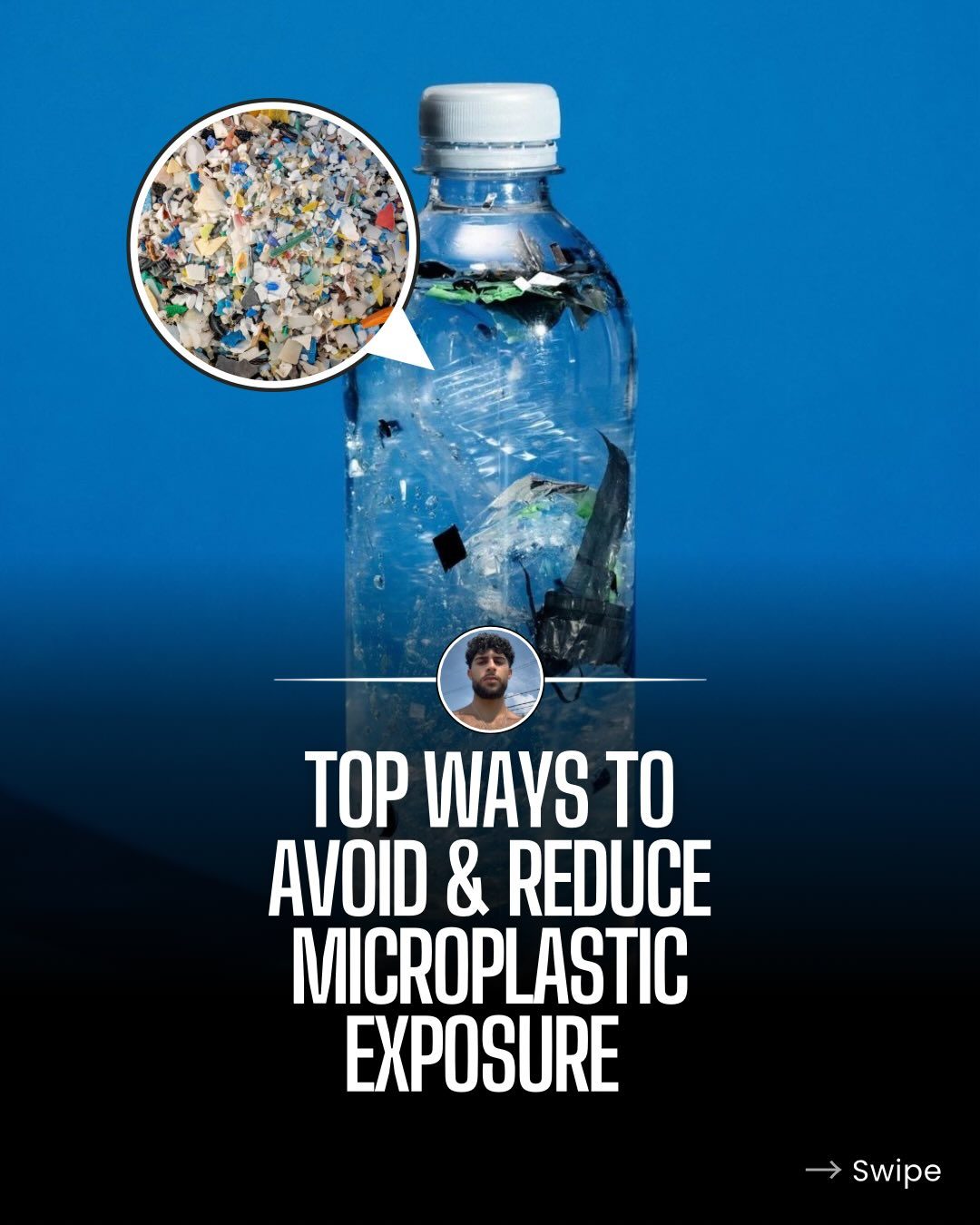
Microplastics: How to Avoid and Reduce Exposure
Microplastics are tiny plastic particles, often invisible to the naked eye, that have become a significant environmental and health concern. They are found in various products, from clothing to water bottles, and can leach into the environment and our bodies. Reducing exposure to microplastics is crucial for maintaining health and protecting the environment. Here are some practical ways to minimize microplastic exposure in daily life.
Why This Matters
Microplastics are ubiquitous, and their effects on human health and the environment are still being researched. However, there is growing evidence that these tiny particles can enter the food chain and potentially harm ecosystems and human health. For instance, microplastics have been found in drinking water, food, and even the air. Reducing exposure to microplastics is not just about personal health but also about contributing to a cleaner, healthier planet.
Main Discussion
Understanding Microplastics
Microplastics are tiny plastic particles that measure less than 5 millimeters. They can come from various sources, including the breakdown of larger plastic items, synthetic fibers from clothing, and microbeads found in some personal care products. Once in the environment, microplastics can be ingested by marine life and enter the food chain, eventually making their way into human diets.
Avoiding Microplastics in Everyday Life
Water Bottles
One of the most common sources of microplastic exposure is bottled water. Plastic water bottles can leach microplastics into the water, especially when exposed to heat or stored for extended periods. Using a glass water bottle is a simple yet effective way to reduce microplastic intake. Glass is non-reactive and does not leach particles into the water, making it a safer and more sustainable choice.
Clothing
Synthetic fabrics like polyester and nylon are major contributors to microplastic pollution. These fabrics shed tiny plastic fibers during washing, which can end up in waterways and eventually in the environment. Opting for natural fibers like cotton can significantly reduce microplastic exposure. Organic cotton, in particular, is a great choice as it is free from synthetic content and environmentally friendly.
Cookware
Nonstick cookware often contains plastic-based coatings that can wear down over time, releasing microplastics into food. Switching to stainless steel cookware can help avoid this issue. Stainless steel is durable, non-reactive, and free from synthetic coatings, making it a safer option for cooking.
Cutting Boards
Plastic cutting boards are convenient but can release microplastics when knives scrape against their surface. Wood cutting boards, on the other hand, are naturally antimicrobial and do not shed plastic particles. Choosing a wood cutting board, especially one made from sustainable materials, can help reduce microplastic exposure in the kitchen.
Water Filters
Reverse osmosis filters are effective at removing a large percentage of microplastics found in drinking water. These filters work by forcing water through a semipermeable membrane, which traps microplastics and other contaminants. Installing a reverse osmosis filter in your home can significantly reduce microplastic intake from drinking water.
Tea
Many tea bags are made from plastic materials that can release microplastics when steeped in hot water. Opting for microplastic-free tea, such as loose-leaf tea or tea bags made from natural fibers, can help avoid this source of microplastic exposure. Microplastic-free tea is readily available and offers a healthier, more sustainable option for tea lovers.
Practical Tips
-
Scan for Microplastics: Use tools like the Scout app to scan products for microplastic content. This can help you make informed decisions about the products you use and avoid those with high microplastic exposure.
-
Choose Sustainable Products: Opt for products made from natural, sustainable materials. Glass, stainless steel, wood, and organic cotton are excellent choices for reducing microplastic exposure.
-
Maintain and Replace: Regularly inspect and replace items like cutting boards and cookware that can wear down over time and release microplastics. Keeping these items in good condition can help minimize exposure.
-
Filter Your Water: Install a reverse osmosis filter to remove microplastics from your drinking water. This is an effective way to reduce microplastic intake from one of the most common sources.
-
Be Mindful of Packaging: Avoid products with excessive plastic packaging. Choose items with minimal or eco-friendly packaging to reduce overall plastic waste and potential microplastic exposure.
Important Takeaways
Microplastics are a growing concern, and reducing exposure is essential for both personal health and environmental sustainability. By making simple changes, such as using glass water bottles, choosing natural fibers for clothing, and opting for stainless steel cookware, you can significantly reduce your microplastic intake. Additionally, using tools like the Scout app can help you make informed decisions about the products you use.
Conclusion
Reducing microplastic exposure is a critical step toward a healthier, more sustainable lifestyle. By understanding the sources of microplastics and making informed choices, you can minimize your exposure and contribute to a cleaner environment. Small changes in daily habits, such as using glass water bottles, choosing natural fibers, and opting for stainless steel cookware, can make a significant difference. Take action today to reduce your microplastic intake and protect your health and the planet.
Watch the Reel
Questions readers ask
What are the primary sources of microplastics in daily life?
Microplastics originate from various sources, including synthetic clothing, personal care products, and plastic packaging. They can be released into the environment through washing clothes, using cosmetics, and disposing of plastic items. Some microplastics are intentionally added to products, while others are the result of the breakdown of larger plastic items.
How can I identify microplastics in products?
Identifying microplastics in products can be challenging since they are often invisible to the naked eye. To minimize exposure, look for plastic-free or organic products. Check ingredient lists for terms like 'polyethylene,' 'polypropylene,' or 'acrylics' which indicate the presence of plastics. Additionally, opt for products labeled as 'microplastic-free' or that use natural fibers.
What are some effective ways to reduce microplastic exposure from clothing?
To reduce microplastic exposure from clothing, choose natural fibers like organic cotton, hemp, or wool. Avoid synthetic materials such as polyester and nylon. Additionally, use a Guppyfriend washing bag to collect microfibers during washing, and wash clothes less frequently at lower temperatures.
How can I reduce microplastic exposure from water?
To minimize microplastic exposure from water, use a stainless steel or glass water bottle instead of plastic ones. Install a high-quality water filter at home to reduce microplastics in tap water. When buying bottled water, opt for brands known for their commitment to microplastic-free products and check for certifications.
What are some symptoms of microplastic exposure?
The symptoms of microplastic exposure are not yet fully understood, as research is ongoing. However, some studies suggest that microplastics may cause inflammation, alter immune responses, and potentially disrupt hormonal systems. Long-term effects are still being investigated, so it's important to take precautions to reduce exposure.
How can I support microplastic pollution reduction efforts?
Supporting microplastic pollution reduction can be done through everyday actions. Reduce your plastic consumption by opting for reusable items, participating in local clean-up efforts, and advocating for better waste management policies. Encourage manufacturers to adopt plastic-free practices and support organizations working to combat microplastic pollution.
Recent articles
Fresh deep dives from the latest Reels we unpacked.




Comments
Be the first to comment.