Muscle Building: The Role of Nutrition and Recovery
Building muscle involves a combination of consistent effort, proper nutrition, and effective recovery strategies. The foods you choose to eat play a significant role in enhancing muscle growth and overall fitness. Let's explore the essential nutrients and foods that can support your muscle-building journey.
Why This Matters
Muscle growth is not determined by a single meal or food item; it's the result of consistent habits and choices made throughout the week. This means that focusing on a balanced diet and effective recovery practices is crucial for achieving your fitness goals. By understanding the role of different nutrients and foods, you can create a sustainable plan that supports both muscle growth and overall health.
Nutrients for Muscle Building
Protein
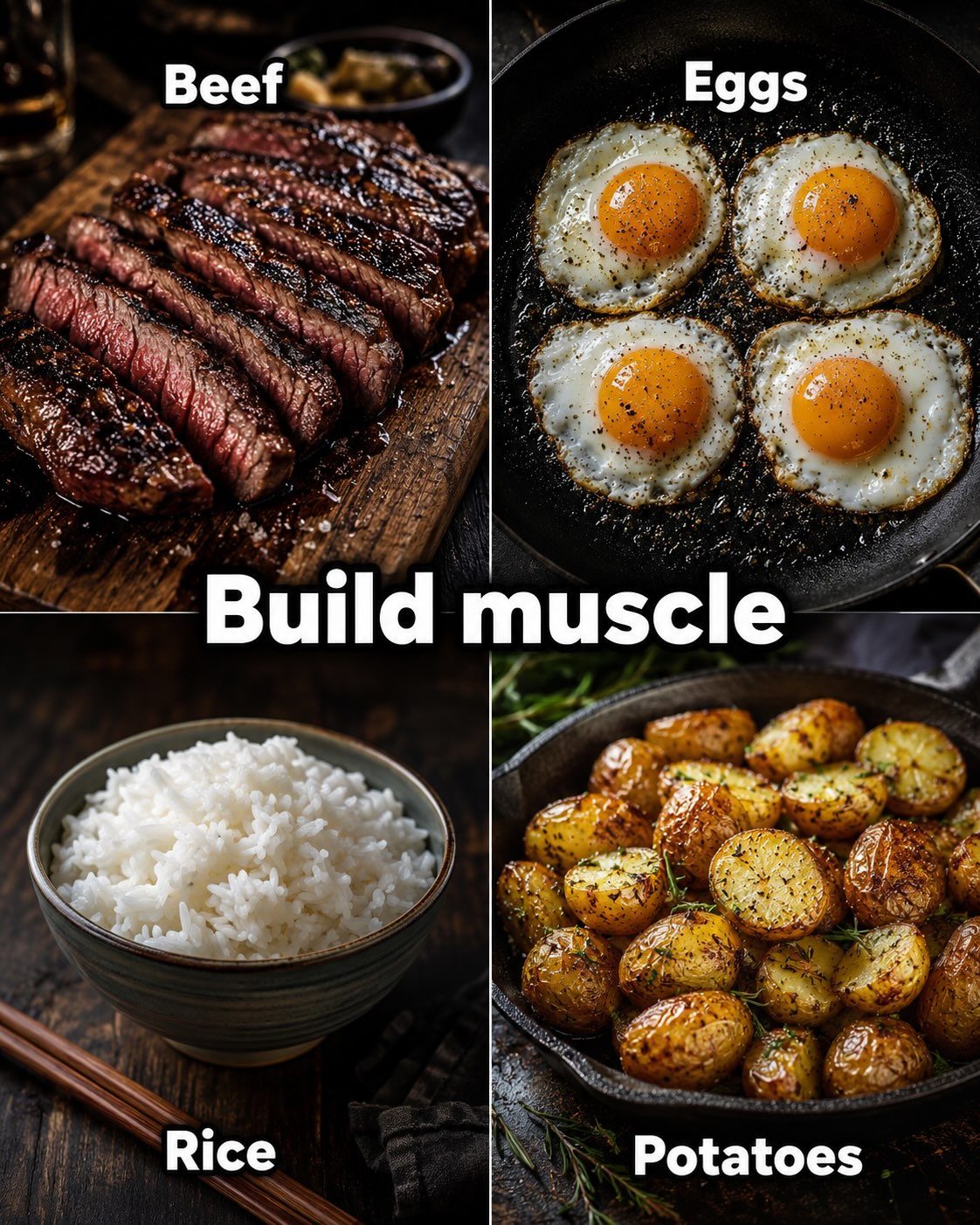
Protein is the building block of muscle tissue. Consuming adequate amounts of protein helps repair and rebuild muscles after workouts, promoting growth and strength. Foods rich in protein, such as beef, eggs, and fish, are essential for muscle-building meals. These foods provide a useful combination of protein, carbohydrates, and energy, making them ideal for pre- and post-workout nutrition.
- Beef and Eggs: Beef and eggs are excellent sources of complete protein, containing all the essential amino acids needed for muscle repair and growth. They also provide essential nutrients like iron, zinc, and B vitamins, which support energy production and overall health.
- Tuna and Salmon: Fish like tuna and salmon are rich in protein and healthy fats, making them excellent choices for muscle-building and overall health. Salmon, in particular, is high in omega-3 fatty acids, which have anti-inflammatory properties and can aid in recovery.
Carbohydrates
Carbohydrates are the primary source of energy for the body, fueling workouts and aiding in recovery. Including carbohydrates in your diet helps replenish glycogen stores, which are depleted during intense exercise. Foods like rice, potatoes, and sweet potatoes are excellent sources of complex carbohydrates, providing sustained energy and promoting muscle growth.
- Rice and Potatoes: These starchy carbohydrates are easy to digest and provide a quick source of energy, making them ideal for post-workout meals. They also help replenish glycogen stores, supporting muscle recovery and growth.
- Sweet Potatoes and Bananas: Sweet potatoes and bananas are rich in complex carbohydrates and essential nutrients like potassium and vitamin A. They provide sustained energy and support overall health, making them great options for recovery-friendly meals.
Healthy Fats
Healthy fats play a crucial role in hormone production, nutrient absorption, and overall health. Including foods rich in healthy fats, such as avocados and kefir, in your diet can support muscle growth and testosterone production.
- Avocados and Kefir: Avocados are rich in monounsaturated fats, which support heart health and nutrient absorption. Kefir, a fermented dairy product, is high in probiotics and healthy fats, promoting gut health and testosterone production.
Protein and Recovery Foods
Protein and recovery foods are essential for repairing and rebuilding muscle tissue after workouts. Consuming adequate amounts of protein and including recovery-friendly foods in your diet can help you refuel and recover more effectively.
Whey Protein
Whey protein is a popular supplement among fitness enthusiasts due to its high protein content and quick absorption. It contains all the essential amino acids needed for muscle repair and growth, making it an excellent choice for post-workout recovery.
- Whey Protein Supplements: Whey protein supplements are convenient and versatile, allowing you to meet your protein needs without relying on whole food sources alone. They are available in various flavors and can be easily incorporated into shakes, smoothies, and baked goods.
Recovery-Friendly Foods
Incorporating recovery-friendly foods into your diet can aid in post-workout recovery and support muscle growth. Foods like bananas, salmon, and sweet potatoes are rich in essential nutrients and provide sustained energy, making them ideal for recovery meals.
- Bananas and Sweet Potatoes: Bananas are a great source of potassium and carbohydrates, aiding in muscle recovery and replenishing energy stores. Sweet potatoes are rich in complex carbohydrates and essential nutrients like vitamin A and fiber, supporting overall health and muscle growth.
Practical Tips
To maximize muscle growth and recovery, consider the following practical tips:
Balanced Diet
A balanced diet is crucial for overall health and fitness. Aim to include a variety of nutrient-dense foods in your meals, focusing on lean protein sources, complex carbohydrates, and healthy fats. This will provide your body with the necessary nutrients to support muscle growth and recovery.
Stay Hydrated
Staying hydrated is essential for muscle growth and recovery. Aim to drink at least 8-10 glasses of water daily, and adjust your intake based on your activity level and individual needs. Proper hydration supports nutrient absorption, energy production, and overall health.
Progressive Overload
Training with progressive overload involves gradually increasing the intensity, volume, or frequency of your workouts. This approach challenges your muscles, promoting growth and strength. Incorporate progressive overload into your workout routine by increasing the weight, reps, or sets over time.
Adequate Sleep
Sleep is crucial for muscle recovery and overall health. Aim for 7-9 hours of quality sleep per night, allowing your body to repair and rebuild muscle tissue. Prioritize good sleep hygiene, including a consistent sleep schedule, a comfortable sleep environment, and avoiding screens before bed.
Important Takeaways
Building muscle requires a consistent approach to nutrition, recovery, and training. Here are some important takeaways to keep in mind:
- Consistency is Key: Focus on making consistent choices that support your fitness goals, rather than relying on quick fixes or fad diets.
- Balanced Diet: Include a variety of nutrient-dense foods in your diet, focusing on lean protein, complex carbohydrates, and healthy fats.
- Stay Hydrated: Proper hydration supports nutrient absorption, energy production, and overall health.
- Progressive Overload: Gradually increase the intensity, volume, or frequency of your workouts to challenge your muscles and promote growth.
- Adequate Sleep: Prioritize quality sleep to support muscle recovery and overall health.
Conclusion
Muscle growth is a complex process that involves consistent effort, proper nutrition, and effective recovery strategies. By understanding the role of different nutrients and foods, you can create a sustainable plan that supports both muscle growth and overall health. Incorporate a variety of nutrient-dense foods into your diet, stay hydrated, and prioritize adequate sleep and progressive overload in your workouts. With consistent effort and the right approach, you can achieve your fitness goals and build a stronger, healthier body.
Watch the Reel
Questions readers ask
Which foods are best for muscle recovery after a workout?
Foods rich in protein and carbohydrates are ideal for muscle recovery. Whole grains, sweet potatoes, and kefir are excellent choices. They provide the necessary nutrients to repair muscle tissue and replenish energy stores, aiding in faster recovery and growth.
How can beef help in muscle building?
Beef is a great source of protein, which is essential for muscle repair and growth. It also contains creatine, which helps in increasing strength and power during workouts. Additionally, the iron in beef supports energy production and endurance.
What role do whole grains play in muscle recovery?
Whole grains are rich in complex carbohydrates, which are crucial for replenishing glycogen stores depleted during workouts. They also contain essential vitamins, minerals, and fiber, which support overall health and aid in muscle recovery.
Why are eggs beneficial for muscle growth?
Eggs are a complete protein source, containing all the essential amino acids needed for muscle repair and growth. They also provide vitamins and minerals and are versatile enough to be incorporated into various meals throughout the day.
How can salmon aid in muscle recovery and growth?
Salmon is rich in high-quality protein and omega-3 fatty acids, which reduce inflammation and promote muscle recovery. These nutrients also support cardiovascular health and overall fitness, making salmon an excellent choice for muscle growth.
What are some testosterone-boosting foods for muscle building?
Foods like tuna, oysters, and beef can help boost testosterone levels. These foods are rich in zinc, magnesium, and other nutrients that play a crucial role in testosterone production, which is essential for muscle growth and strength.
Are potatoes good for muscle building and recovery?
Yes, potatoes are rich in carbohydrates, which are essential for replenishing energy stores after a workout. They also contain potassium, which helps in maintaining proper muscle function and preventing cramps. Sweet potatoes, in particular, are high in vitamin A and fiber.
Recent articles
Fresh deep dives from the latest Reels we unpacked.




Comments
Be the first to comment.