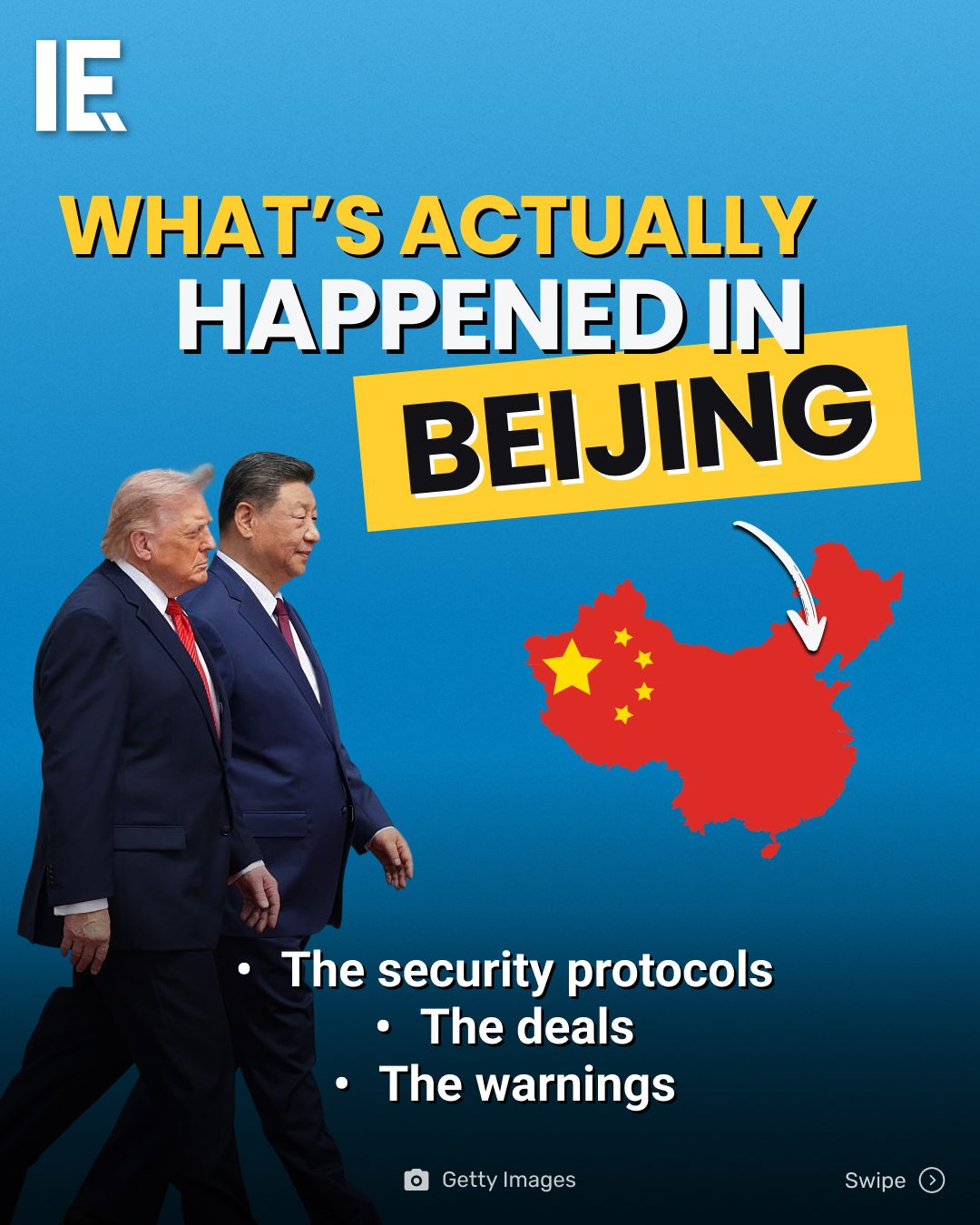
US-China Summit
The recent US-China summit in Beijing marked a significant moment in international diplomacy. This gathering, attended by leaders Donald Trump and Xi Jinping, yielded several key agreements and statements that could shape future relations between the two global powers.
Context / Why this matters
The US-China relationship is one of the most consequential bilateral relationships globally. It influences everything from global economics to international security. The outcomes of this summit have far-reaching implications for trade, security, and geopolitical stability. Understanding the key points discussed during this meeting provides insights into the direction of US-China relations and their impact on the world stage.
Main discussion
Security Protocols
One of the primary focuses of the summit was the establishment of security protocols. These protocols are designed to ensure the safety and stability of both nations. The agreements made in this area are crucial for maintaining peace and preventing potential conflicts. The specific details of these protocols were not fully disclosed, but their implementation is expected to strengthen bilateral relations and foster a more secure environment for both countries.
Deals and Economic Agreements
The summit also saw the negotiation of significant deals and economic agreements. Xi Jinping emphasized that China's door to US businesses will open wider. This statement is a strong signal of China's intent to promote greater economic cooperation and facilitate more business opportunities for American companies. The specific details of these deals were not disclosed, but the emphasis on widening economic ties suggests a mutual interest in fostering a more robust trade relationship.
Warnings and Taiwan
One of the most notable aspects of the summit was the warning issued by Xi Jinping regarding Taiwan. While the specifics of the warning were not detailed, it underscores the sensitivity of the Taiwan issue in US-China relations. Taiwan has long been a point of contention, with China asserting its sovereignty over the island and the US maintaining unofficial relations with Taiwan. The warning serves as a reminder of the delicate balance that must be maintained in this area to avoid escalating tensions.
Future Meetings
Looking ahead, the summit paved the way for future diplomatic engagements between the two leaders. Trump and Xi agreed to potentially meet twice more in 2026, once at the APEC summit in Shenzhen and again at the G20 summit in Miami. These meetings provide opportunities for ongoing dialogue and collaboration, which are essential for building a more constructive and strategic relationship.
Constructive, Strategic, and Stable
The summit also highlighted the importance of framing the US-China relationship as "constructive, strategic, and stable." This framing is significant as it sets a positive tone for future interactions. It suggests a mutual commitment to working together to address global challenges and promote peace and prosperity.
Practical tips
For those interested in understanding and engaging with US-China relations, it is essential to stay informed about the outcomes of summits and diplomatic meetings. Keeping up with news from reliable sources, reading analyses from experts, and following developments in trade, security, and international affairs can provide valuable insights. Engaging with organizations that focus on US-China relations and participating in discussions and forums can also be beneficial.
Important takeaways
The US-China summit in Beijing yielded several important takeaways:
- Security protocols were agreed upon, aimed at ensuring the safety and stability of both nations.
- Significant economic deals were negotiated, with China pledging to open its doors wider to US businesses.
- A stark warning was issued regarding Taiwan, underscoring the sensitivity of this issue in bilateral relations.
- Future meetings between the two leaders are planned, providing opportunities for ongoing dialogue and collaboration.
- The relationship was framed as "constructive, strategic, and stable," setting a positive tone for future interactions.
Conclusion
The recent US-China summit in Beijing was a pivotal moment in international diplomacy, yielding key agreements and statements that will shape future relations between the two global powers. The focus on security, economic cooperation, and strategic planning highlights the importance of this relationship and its impact on global affairs. As the world watches these developments, it is clear that the outcomes of this summit will have far-reaching implications for trade, security, and geopolitical stability.
Watch the Reel
Questions readers ask
What were the primary objectives of the Trump-Xi summit in Beijing?
The primary objectives of the Trump-Xi summit in Beijing were to address and potentially resolve critical issues in US-China relations, including security protocols, economic agreements, and geopolitical matters. Both leaders aimed to foster a more stable and cooperative relationship, which is crucial for global trade and security. Additionally, the summit sought to find common ground on regional and international challenges, setting the stage for future diplomatic engagements.
How did the summit address security protocols and geopolitical issues?
The summit tackled several security protocols, including discussions on North Korea and the South China Sea, as well as the delicate issue of Taiwan. Both leaders emphasized the importance of maintaining regional stability and preventing conflict. Specific agreements and commitments were made to enhance communication and reduce the risk of misunderstandings, which could escalate into larger conflicts.
What key economic agreements were discussed during the Trump-Xi summit?
Economic agreements were a central focus of the summit. Both leaders discussed ways to reduce the trade deficit between the US and China and promote fair and reciprocal trade practices. The talks also covered intellectual property rights, market access, and technology transfer. Significant progress was made in identifying areas for future economic cooperation and addressing ongoing trade disputes.
Why is the Trump-Xi summit considered pivotal for global trade and stability?
The Trump-Xi summit is pivotal because the US and China are the world's two largest economies, and their relationship significantly influences global markets and trade flows. The summit's outcomes can impact international supply chains, investment flows, and economic growth. By addressing key issues, the leaders aimed to reduce economic tensions and promote global stability, benefiting the broader international community.
What were the implications of the summit for Taiwan security?
Taiwan security was a notable topic during the summit. While both leaders acknowledged the importance of maintaining peace and stability in the Taiwan Strait, there were no significant breakthroughs. The US reiterated its commitment to Taiwan under the Taiwan Relations Act, and China emphasized its 'One China' policy. The discussion highlighted the continuing sensitivity and complexity of the issue.
How did the summit's outcomes shape future US-China relations?
The summit's outcomes provided a framework for future dialogue and cooperation. By addressing key issues and setting a positive tone, the leaders paved the way for continued engagement on critical matters. Future interactions between the US and China will likely focus on implementing the agreements reached during the summit and building on the progress made in areas such as trade, security, and geopolitical stability.
What specific topics were on the Beijing summit agenda?
The Beijing summit agenda covered a wide range of topics, including security protocols, economic agreements, and geopolitical issues. Specific discussions focused on trade deficits, intellectual property, the South China Sea, North Korea, and Taiwan. The leaders also addressed broader issues of regional and global stability, seeking to align their interests for mutual benefit and the stability of the international order.
Recent articles
Fresh deep dives from the latest Reels we unpacked.




Comments
Be the first to comment.