High Protein Foods: Essential Sources for Your Fitness Goals
Eating healthy and achieving fitness goals doesn't have to be complicated. It's all about knowing what to put on your plate. High-protein foods are a staple for anyone looking to build muscle, lose weight, or maintain a balanced diet. Understanding the protein content in various foods can help you make informed decisions and stay consistent with your fitness journey.
Context / Why This Matters
Protein is a crucial macronutrient that aids in muscle repair, growth, and overall health. Incorporating high-protein foods into your diet can help you feel fuller for longer, which is beneficial for weight management. Whether you're a fitness enthusiast or just starting your health journey, knowing which foods to include in your meals can make a significant difference in achieving your goals.
High-protein foods provide a range of benefits, including:
- Muscle Growth and Repair: Protein is essential for rebuilding and strengthening muscles, especially after workouts.
- Weight Management: Protein-rich foods can help you feel full, reducing overall calorie intake.
- Bone Health: Adequate protein intake supports bone health, which is crucial for overall fitness and longevity.
- Immune Function: Protein plays a vital role in maintaining a robust immune system.
Main Discussion
Protein-Rich Animal Sources
Chicken and Turkey
Chicken and turkey breast are staple proteins in many diets. They are lean, versatile, and packed with protein.
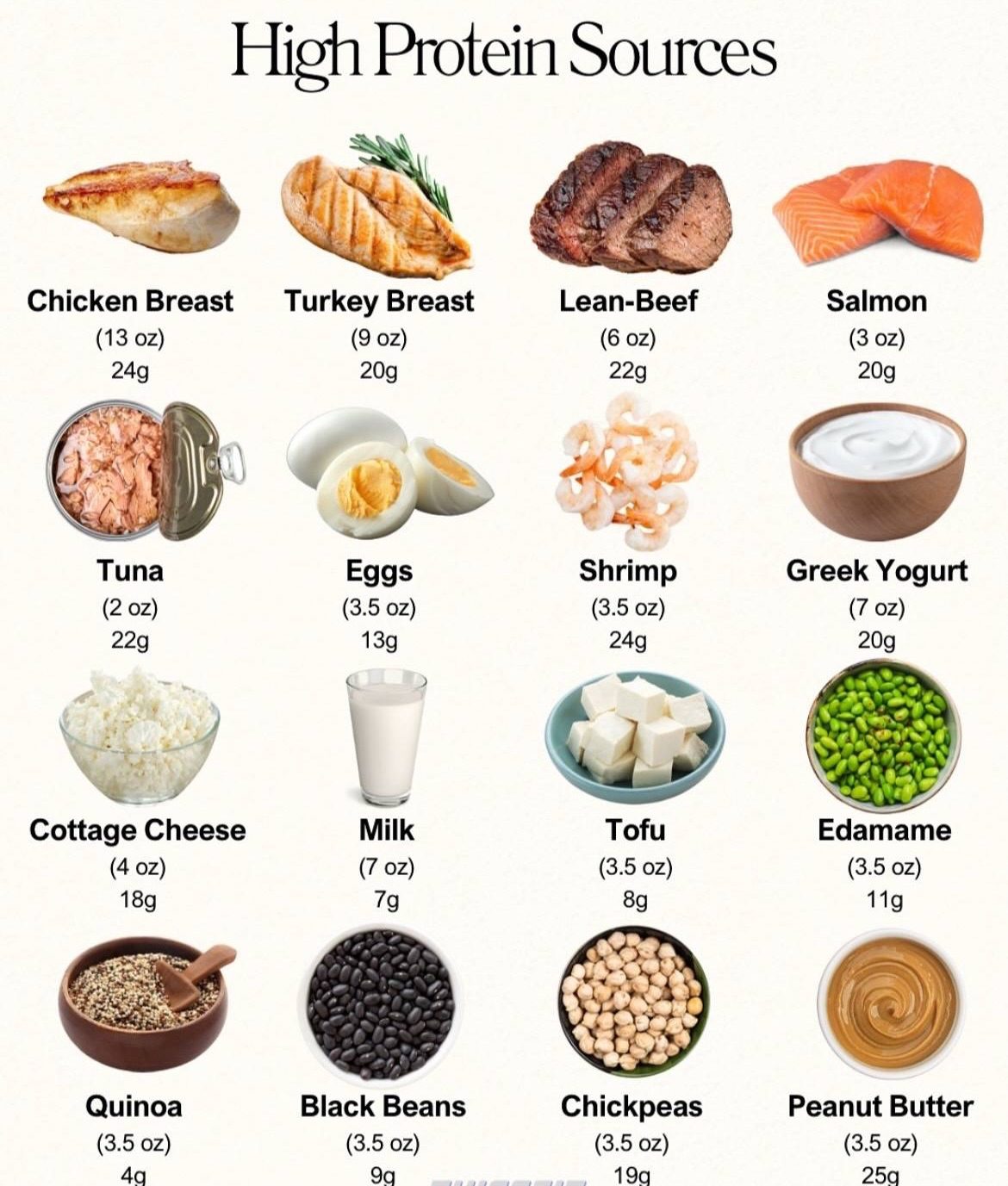
- Chicken Breast (13 oz): 24g of protein
- Turkey Breast (9 oz): 20g of protein
These meats are great for grilling, baking, or adding to salads and sandwiches. They offer a high protein-to-calorie ratio, making them ideal for those looking to build muscle or lose weight.
Seafood
Fish and shellfish are excellent sources of protein, along with essential omega-3 fatty acids.
- Salmon (3 oz): 20g of protein
- Tuna (2 oz): 22g of protein
- Shrimp (3.5 oz): 24g of protein
Incorporating these into your diet can provide a variety of health benefits, including improved heart health and reduced inflammation.
Eggs and Dairy
Eggs and dairy products are versatile and readily available protein sources.
- Eggs (3.5 oz): 13g of protein
- Greek Yogurt (7 oz): 20g of protein
- Cottage Cheese (4 oz): 18g of protein
- Milk (7 oz): 7g of protein
These can be consumed as part of meals or snacks, providing a convenient way to boost your protein intake.
Protein-Rich Plant-Based Sources
For those who prefer plant-based options, there are plenty of high-protein choices available.
Legumes and Beans
Legumes and beans are excellent for vegetarians and vegans. They provide a good amount of protein along with fiber and other nutrients.
- Black Beans (3.5 oz): 19g of protein
- Chickpeas (3.5 oz): 19g of protein
Adding these to your meals can enhance the protein content and provide a satisfying, plant-based meal.
Soy Products
Soy products are a versatile and widely available plant-based protein source.
- Tofu (3.5 oz): 8g of protein
Replace meat in recipes with tofu, or try it in stir-fries, salads, and sandwiches.
Nuts and Seeds
Nuts and seeds are high in protein and healthy fats, making them an excellent snack option.
- Peanut Butter (3.5 oz): 19g of protein
Spread it on bread, add it to smoothies, or enjoy it as a snack.
High-Protein Complex Carbs and Fats
While the focus is on protein, incorporating complex carbohydrates and healthy fats is crucial for a balanced diet.
Edamame
- Edamame (3.5 oz): 11g of protein
Edamame is a great snack or meal addition, offering both protein and fiber, along with a satisfying crunch.
Quinoa
- Quinoa (3.5 oz): 4g of protein
Quinoa is a complete protein, making it an excellent choice for those looking to boost their protein intake while consuming complex carbohydrates.
High-Protein Foods on the Go
Maintaining a high-protein diet can be challenging when you're on the go. Here are some convenient options:
- Greek Yogurt: Easy to grab and go, this can be a quick snack or breakfast option.
- Protein Bars: Choose bars that are low in sugar and high in protein for a convenient snack.
- Tuna Salad: Pack a small can of tuna with some crackers or bread for a protein-packed lunch.
- Nuts and Seeds: Almonds, walnuts, and pumpkin seeds are great for snacking and can be easily carried with you.
- Edamame: A bag of cooked edamame is a convenient, high-protein snack.
Practical Tips
Meal Prepping for Success
Preparing meals in advance can save time and ensure you stick to your high-protein diet. Here are some tips:
- Plan Ahead: Make a weekly meal plan that includes a variety of protein sources.
- Batch Cook: Cook large batches of protein-rich foods like chicken, turkey, and quinoa to have on hand for quick meals.
- Portion Control: Pre-portion your meals and snacks to avoid overeating and to ensure you're getting the right balance of nutrients.
- Variety: Mix up your protein sources to keep meals interesting and ensure you're getting a wide range of nutrients.
- Stay Hydrated: Drinking plenty of water is crucial for overall health and can help with metabolism and energy levels.
Balancing Macronutrients
While protein is essential, don’t forget about carbohydrates and fats. Aim for a balanced diet that includes:
- Complex Carbohydrates: Oats, brown rice, quinoa, and whole-grain bread.
- Healthy Fats: Avocados, nuts, seeds, and olive oil.
Staying Consistent
Consistency is key when it comes to achieving your fitness goals. Here are some tips to stay on track:
- Track Your Intake: Use a food journal or app to track your protein intake and ensure you're meeting your goals.
- Set Realistic Goals: Start with small, achievable goals and gradually increase your protein intake as needed.
- Stay Motivated: Find a support system, whether it's a workout buddy, a fitness app, or an accountability group, to help you stay motivated and on track.
- Listen to Your Body: Pay attention to how your body responds to different protein sources and adjust your diet accordingly.
Important Takeaways
When it comes to building a high-protein diet, variety is key. Incorporating a mix of animal and plant-based proteins, along with complex carbohydrates and healthy fats, can help you achieve your fitness goals and maintain overall health.
Conclusion
Eating healthy and achieving your fitness goals doesn’t have to be complicated. By focusing on high-protein foods and balancing your macronutrients, you can build a sustainable diet that supports your active lifestyle. Whether you're a seasoned fitness enthusiast or just starting your journey, understanding the protein content in various foods can help you make informed decisions and stay consistent with your goals.
Watch the Reel
Questions readers ask
Which animal-based protein sources are best for muscle building?
Animal-based protein sources like chicken, turkey, and seafood are excellent choices. Chicken and turkey are high in protein and low in fat, while seafood like salmon and tuna provide protein along with healthy fats.
How do high-protein foods support weight loss goals?
High-protein foods support weight loss by providing a feeling of fullness and satiety, which can help reduce overall calorie intake. They also require more energy to digest, boosting metabolism and aiding in weight management.
What are some plant-based high-protein foods for muscle building?
Plant-based proteins like black beans, tofu, and quinoa are great for muscle building. Black beans and tofu are versatile and can be used in a variety of dishes, while quinoa is a complete protein, containing all nine essential amino acids.
Can yogurt be a good protein source for fitness goals?
Yes, yogurt is an excellent protein source, especially Greek yogurt, which can have up to 15-20 grams of protein per serving. It's great for post-workout recovery and can be easily incorporated into meals and snacks.
Why is seafood a recommended protein source for fitness enthusiasts?
Seafood is recommended for fitness enthusiasts because it provides lean protein, along with omega-3 fatty acids, which promote heart health and reduce inflammation. Examples include salmon, tuna, and shrimp.
How can edamame be integrated into a high-protein diet?
Edamame, or young soybeans, is a complete protein and can be integrated into a high-protein diet as a snack, side dish, or added to salads and stir-fries. A cup of cooked edamame provides around 17 grams of protein.
Why is chicken breast a staple in many fitness diets?
Chicken breast is a staple in many fitness diets due to its high protein content and low fat levels. A 100-gram serving of chicken breast provides around 31 grams of protein and is extremely versatile for meal preparations.
Recent articles
Fresh deep dives from the latest Reels we unpacked.




Comments
Be the first to comment.