Simple Grocery List Essentials for Healthy Eating
The importance of a well-planned grocery list cannot be overstated. It's a critical tool for maintaining a balanced and nutritious diet. Lack of preparation often leads to poor food choices, making it difficult to achieve long-term health goals. This guide will explore essential food categories, highlighting the nutritional benefits of each and providing practical tips for meal planning and grocery shopping.
Why Preparing a Grocery List Matters
Preparing a grocery list ensures that you have the necessary ingredients for healthy meals throughout the week. When you know exactly what you need, you're less likely to succumb to impulse buys or convenient but unhealthy options. A well-thought-out list helps you stay focused on your nutritional goals, whether that's losing weight, gaining muscle, or simply improving overall health.
Addressing Common Misconceptions
Many people believe that maintaining a healthy diet requires eliminating favorite foods or following complicated meal plans. In reality, the key to successful nutrition is sustainability. It's about finding a balance that allows you to enjoy your meals while meeting your health objectives. This balance can be achieved by focusing on key nutritional building blocks.
Building Blocks of a Healthy Diet
Fruits
Fruits are nature's candy, packed with essential vitamins, antioxidants, and fiber. They are essential for maintaining overall health and supporting the immune system. Here are some fruits and their nutritional highlights:
- Blueberries: Known for their high antioxidant and vitamin C content, blueberries support heart health and immune function.
- Raspberries: These berries are a good source of fiber and vitamin C, aiding in digestion and boosting immunity.
- Apples: Rich in fiber and vitamin C, apples support heart health and provide natural energy.
- Lychees: High in vitamin C and antioxidants, lychees support immune health and are a delicious snack.
- Bananas: A great source of potassium and natural energy, bananas are perfect for a quick energy boost.
- Strawberries: Packed with vitamin C and antioxidants, strawberries support immunity and overall health.
- Peaches: Rich in vitamins C and A, peaches promote healthy skin and support immune function.
Vegetables
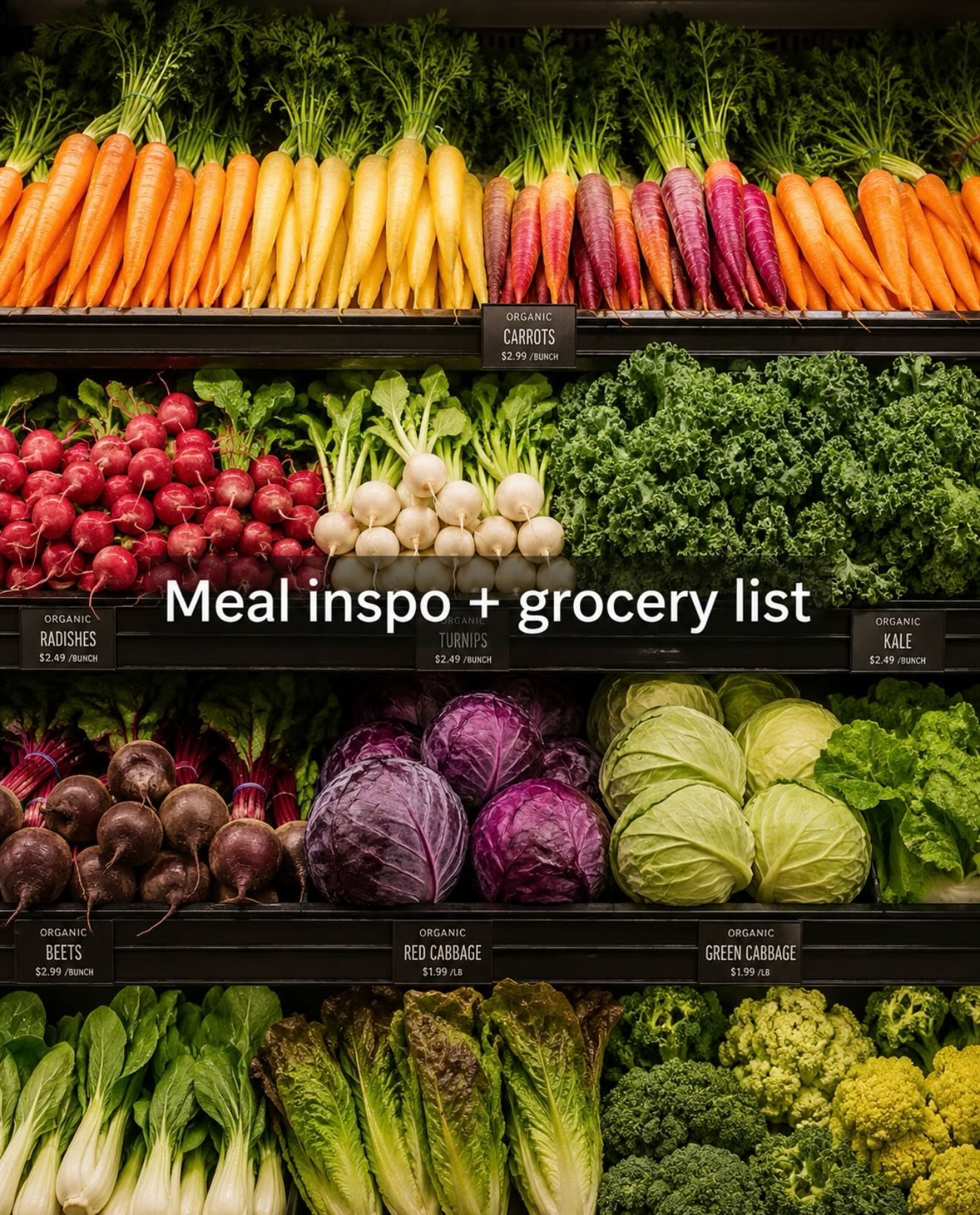
Vegetables are the cornerstone of a balanced diet, offering a wide range of vitamins, minerals, and fiber. Here are some key vegetables and their benefits:
- Radishes: These are a good source of vitamins C and K, as well as fiber, aiding in digestion and immune support.
- Carrots: High in beta-carotene, vitamin A, and potassium, carrots support eye health and maintain overall well-being.
- Red Cabbage: Rich in vitamin C, vitamin K, and antioxidants, red cabbage supports immune health and aids in detoxification.
- Green Cabbage: Similar to red cabbage, green cabbage provides vitamin C, vitamin K, and fiber, promoting digestive health and immune function.
Incorporating a variety of vegetables into your meals ensures a broad spectrum of nutrients, making it easier to meet daily nutritional needs.
Protein Sources
Protein is essential for muscle growth, repair, and overall energy. Here are some key protein sources and their benefits:
- Tofu: A versatile and nutritious plant-based protein, tofu is high in protein and low in calories, making it an excellent option for vegetarians and vegans.
- Hummus: Rich in plant protein and healthy fats, hummus supports heart health and provides sustained energy.
- Salmon: High in protein and omega-3 fatty acids, salmon supports heart and brain health, and is essential for overall well-being.
- Eggs: A complete protein source, eggs are packed with essential nutrients, including iron and zinc, which support muscle growth and energy.
- Ribeye Steak: A rich source of protein, iron, and zinc, ribeye steak aids in muscle growth and supports overall health.
- Chicken Breast: Lean and high in protein, chicken breast is a low-fat source of essential nutrients, perfect for muscle recovery and growth.
Dairy and Dairy Alternatives
Dairy and dairy alternatives provide essential calcium and protein for bone health and muscle function. Options include:
- Greek Yogurt: High in protein and calcium, Greek yogurt supports muscle recovery and bone health.
- Almond Milk: A dairy-free alternative, almond milk is low in calories and provides a source of vitamin E and calcium.
- Cottage Cheese: Rich in protein and calcium, cottage cheese is great for muscle repair and bones.
Grains and Carbohydrates
High-fiber carbohydrates provide sustained energy and support digestive health. Some great options include:
- Brown Rice: A whole grain, brown rice is rich in fiber and supports digestive health and energy levels.
- Quinoa: High in fiber and protein, quinoa supports muscle function and digestive health.
- Oats: Rich in fiber and sustained energy, oats support digestive health and energy levels.
Smarter Snack Options
Choosing healthy snacks can help maintain energy levels and support overall health. Some great options include:
- Nuts and Seeds: Rich in healthy fats, protein, and fiber, nuts and seeds support heart health and provide sustained energy.
- Fresh Fruit: Naturally sweet and packed with vitamins and fiber, fresh fruit is a great snack option.
- Vegetables with Hummus: A combination of fiber-rich vegetables and protein-packed hummus supports digestion and energy levels.
Practical Tips for Grocery Shopping and Meal Prep
Creating a Grocery List
Begin by making a list of meals you plan to prepare for the week. This will help you identify the ingredients you need. Organize your list by sections of the grocery store to save time and reduce the likelihood of forgetting items.
Meal Prep
Meal prepping involves setting aside time to prepare meals in advance. This can save you time during the week and ensure that you have healthy options readily available. Consider prepping meals for the entire week or portioning out ingredients for quick and easy meal assembly during the week.
Staying Hydrated
Hydration is often overlooked but is crucial for overall health. Ensure you drink plenty of water throughout the day. Aim for at least 2 liters daily, and adjust based on your activity level and climate. The Workit App can help track your water intake and remind you to stay hydrated.
Important Takeaways
Simplicity and Sustainability
The key to a successful diet is sustainability. Find a balance that works for you and stick to it. Focus on incorporating essential nutrients from various food groups, and don’t stress over perfection. Small, consistent changes are more likely to lead to lasting success.
Consistency
Consistency is crucial. A diet that works is one you can follow for months, not just days. Use the Workit App to track your progress, set goals, and stay motivated. The app offers personalized nutrition plans, calorie tracking, macro tracking, healthy recipes, grocery inspiration, workout programs, progress tracking, and daily fitness tools designed to help you build sustainable habits.
Conclusion
Healthy eating doesn't have to be complicated. By preparing a simple grocery list and focusing on key nutrients, you can significantly improve your diet and overall health. Incorporate a variety of fruits, vegetables, proteins, grains, and healthy fats into your meals to ensure a balanced and nutritious diet. Use the Workit App to stay on track, and remember that consistency is key. Eat well, move daily, and stay consistent—the results will come.
Watch the Reel
Questions readers ask
What are the benefits of using a grocery list for maintaining a healthy diet?
A grocery list helps you plan meals and avoid impulse buys, enabling you to stick to a balanced diet. By focusing on specific items, you can ensure that you have all the essential nutrients, such as vitamins, fiber, and proteins, which are crucial for a healthy diet.
Which categories of food should be prioritized on a grocery list for a balanced diet?
Prioritize fresh fruits and vegetables, as they are high in vitamins and fiber. Add lean proteins, whole grains, and healthy fats to your list to ensure a balanced diet that meets your nutritional needs. High-fiber fruits and high-protein foods are particularly beneficial.
How can a grocery list help with meal planning?
With a structured grocery list, you can plan meals in advance and ensure you have the necessary ingredients for each meal of the week. This can save time and money, prevent food waste, and reduce the temptation to rely on unhealthy convenience foods.
What are some high-protein foods to include on a grocery list?
High-protein foods such as lean meats, fish, eggs, beans, lentils, and tofu are essential for a nutritious diet. These foods provide the necessary building blocks for muscle growth and repair, which are vital for maintaining overall health.
Why is it important to include fresh fruits and vegetables on a grocery list?
Fresh fruits and vegetables are rich in essential vitamins, antioxidants, and fiber, which are crucial for maintaining a balanced diet. By including a variety of fresh produce on your grocery list, you can boost your immune system, improve digestion, and reduce the risk of chronic diseases.
What are some tips for creating an effective grocery list?
Start by identifying key nutritional building blocks, such as fruits, vegetables, lean proteins, and whole grains. Consider your weekly meals and snacks, and be sure to include all necessary ingredients. Organize your list by sections of the grocery store to save time and prevent impulse buys.
How can the WorkIt App help with creating a nutritious grocery list?
The WorkIt App can help you develop a balanced and nutritious grocery list by offering personalized tips and suggestions based on your dietary needs and preferences. The app can guide you towards a healthy grocery list, ensuring you purchase a variety of essential vitamins and nutrients to maintain a balanced diet.
Recent articles
Fresh deep dives from the latest Reels we unpacked.




Comments
Be the first to comment.