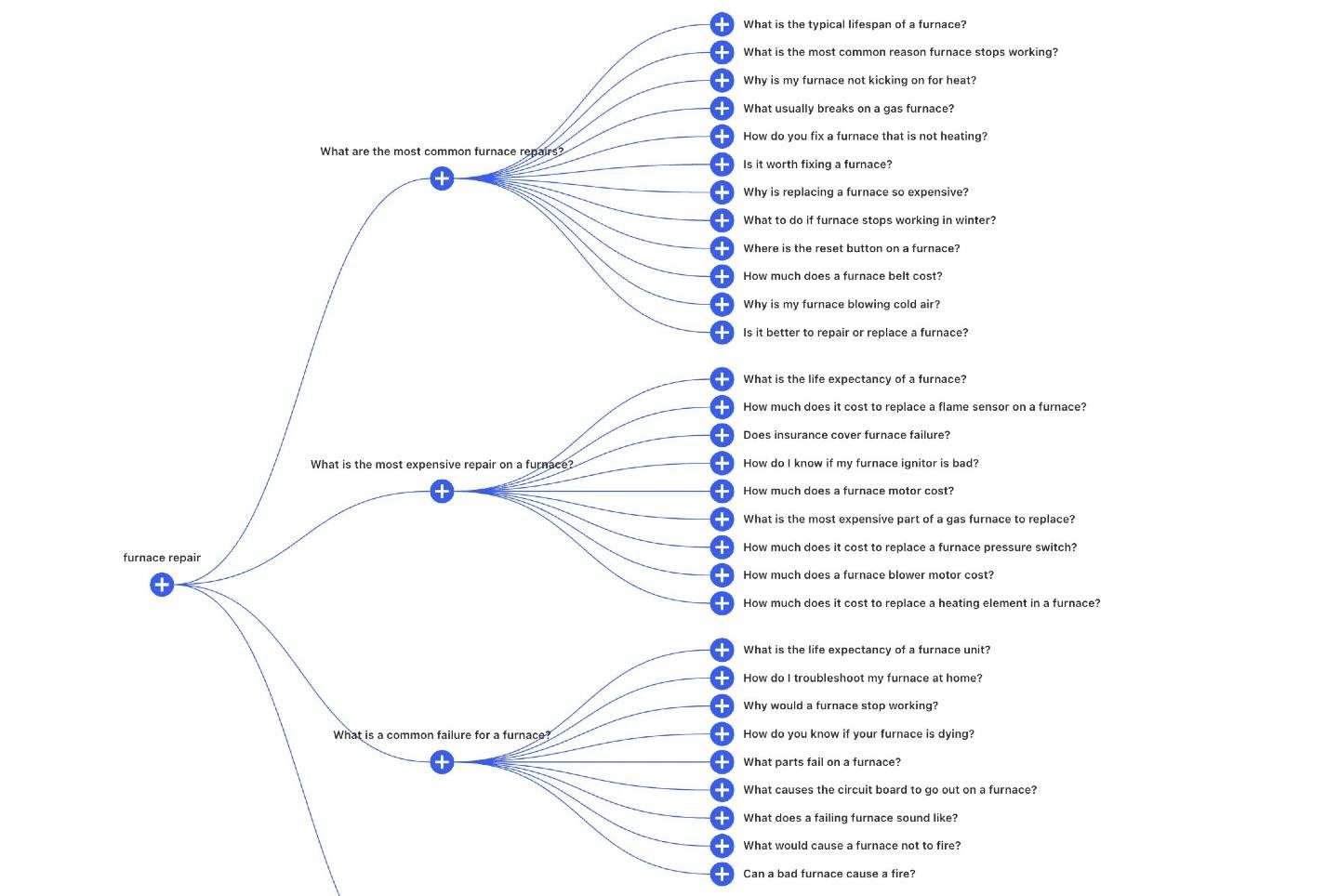
Furnace Repair: Essential Questions and Answers
Furnaces are crucial for keeping homes warm during the colder months. However, they can sometimes fail, leaving homeowners with uncomfortable living conditions and potentially significant repair costs. Knowing the most common furnace issues, their causes, and solutions can help homeowners address problems promptly and make informed decisions. Here are the essential questions and answers to common furnace repair queries.
Why Furnace Maintenance Matters
Furnace maintenance is vital for ensuring the longevity and efficiency of the heating system. Regular upkeep can prevent unexpected breakdowns, reduce energy costs, and enhance indoor air quality. Understanding common furnace issues can help homeowners take proactive measures to maintain their heating systems.
Common Furnace Failures and Troubleshooting
What is a Common Failure for a Furnace?
Furnaces can fail due to various reasons, but some issues are more common than others. The most frequent problems include:
- Dirty or Clogged Filters: Filters trap dust and debris, and if not cleaned or replaced regularly, they can restrict airflow, causing the furnace to overheat and shut down.
- Thermostat Malfunctions: Issues with the thermostat can prevent the furnace from receiving the signal to start or stop, leading to inconsistent heating.
- Pilot Light or Igniter Problems: If the pilot light goes out or the igniter fails, the furnace won’t produce heat. This is a common issue in gas furnaces.
- Blower Motor Failure: The blower motor circulates heated air throughout the home. If it fails, the furnace may not distribute heat effectively.
- Cracked Heat Exchanger: A cracked heat exchanger can leak dangerous gases like carbon monoxide into the home, posing a significant safety risk.
What is the Most Common Reason a Furnace Stops Working?
The most common reason a furnace stops working is a power issue. This can range from a tripped circuit breaker to a faulty thermostat. Other frequent culprits include:
- Thermostat Settings: Incorrect settings or a malfunctioning thermostat can prevent the furnace from turning on.
- Pilot Light or Igniter: If the pilot light goes out or the igniter fails, the furnace cannot produce heat.
- Dirty Air Filters: Clogged filters can restrict airflow, causing the furnace to overheat and shut down as a safety measure.
- Blower Motor Issues: The blower motor may fail, preventing the furnace from circulating heat.
How Do You Fix a Furnace That is Not Heating?
If your furnace is not heating, follow these steps to troubleshoot the issue:
- Check the Thermostat: Ensure it is set to "heat" and the desired temperature is higher than the current room temperature.
- Inspect the Air Filter: Replace or clean the air filter if it is dirty.
- Examine the Pilot Light: If your furnace has a pilot light, make sure it is lit. If it’s out, follow the manufacturer’s instructions to relight it.
- Check the Circuit Breaker: Ensure the circuit breaker hasn’t tripped.
- Listen for Strange Noises: Unusual sounds can indicate a problem with the blower motor or other components.
- Contact a Professional: If you can’t identify the issue, it’s best to call a professional HVAC technician.
What Usually Breaks on a Gas Furnace?
Gas furnaces can experience several common issues:
- Igniter or Pilot Light: These components can fail, preventing the furnace from igniting the gas.
- Air Filters: Clogged filters are a frequent problem, leading to restricted airflow and reduced efficiency.
- Heat Exchanger: Cracks in the heat exchanger can allow dangerous gases to leak into the home.
- Blower Motor: This component can wear out over time, leading to ineffective heat distribution.
Furnace Repair Costs and Maintenance
Is It Worth Fixing a Furnace?
Whether to repair or replace a furnace depends on several factors, including the age of the furnace, the cost of repairs, and your long-term plans. Generally, if the furnace is relatively new and the repair cost is low, it may be worth fixing. However, if the furnace is old and the repair cost is high, replacement might be a better option.
Why is Replacing a Furnace So Expensive?
Replacing a furnace can be expensive due to several factors:
- Equipment Costs: New furnaces, especially high-efficiency models, can be costly.
- Installation Costs: Professional installation is necessary to ensure the new furnace operates safely and efficiently.
- Additional Components: You may need to replace or upgrade other components, such as ductwork or thermostats.
- Labor Costs: The cost of hiring a professional HVAC technician can add up, especially for complex installations.
What to Do If Your Furnace Stops Working in Winter?
If your furnace stops working in winter, follow these steps:
- Check the Thermostat: Ensure it is set to "heat" and the desired temperature is higher than the current room temperature.
- Inspect the Air Filter: Replace or clean the air filter if it is dirty.
- Check the Circuit Breaker: Ensure the circuit breaker hasn’t tripped.
- Listen for Strange Noises: Unusual sounds can indicate a problem with the blower motor or other components.
- Contact a Professional: If you can’t identify the issue, it’s best to call a professional HVAC technician.
Furnace Lifespan and Maintenance
What is the Life Expectancy of a Furnace?
The life expectancy of a furnace varies depending on the type, quality, and maintenance. Typically, a well-maintained furnace can last between 15 to 20 years. Gas furnaces tend to have a slightly longer lifespan compared to electric furnaces.
How Do You Know If Your Furnace is Dying?
Several signs can indicate that your furnace is nearing the end of its lifespan:
- Increased Repair Frequency: If you find yourself calling for repairs more often, it may be time to consider a replacement.
- Reduced Heating Efficiency: If your furnace struggles to maintain a comfortable temperature, it may be losing efficiency.
- Unusual Noises: Strange sounds, such as rattling, popping, or squealing, can indicate worn-out components.
- Age: If your furnace is older than 15-20 years, it may be nearing the end of its useful life.
- Increased Energy Bills: Rising energy costs without a corresponding increase in usage can signal a decline in furnace efficiency.
Practical Tips for Furnace Maintenance
Regular Maintenance Tips
- Change Air Filters Regularly: Clean or replace air filters every 1-3 months to ensure proper airflow.
- Annual Inspections: Schedule annual professional inspections to catch potential issues early.
- Keep the Area Clean: Ensure the area around the furnace is clean and free of debris.
- Check for Leaks: Regularly inspect the furnace for gas leaks or other signs of wear.
When to Call a Professional
While some furnace issues can be addressed with basic troubleshooting, others require professional attention. Always call a professional if:
- You Smell Gas: Gas leaks are dangerous and should be addressed immediately.
- The Furnace is Not Heating: If the furnace isn’t producing heat, a professional can diagnose the issue.
- You Hear Unusual Noises: Strange sounds can indicate a problem with the blower motor or other components.
- The Furnace is Old: If your furnace is nearing the end of its lifespan, a professional can help you decide whether to repair or replace it.
Important Takeaways
Knowing the common issues, repair costs, and maintenance tips for furnaces can help homeowners address problems promptly and make informed decisions. Regular maintenance, timely repairs, and professional inspections can extend the lifespan of your furnace and ensure it operates efficiently.
Conclusion
Furnace repair and maintenance are essential for keeping your home warm and comfortable during the colder months. By understanding the common issues, costs, and maintenance tips, you can address problems promptly and extend the lifespan of your furnace. Whether you’re dealing with a minor repair or considering a replacement, being informed will help you make the best decisions for your home.
Watch the Reel
Questions readers ask
What are the most common furnace issues that homeowners face?
The most common furnace issues include insufficient heating, strange noises, frequent cycling (turning on and off), and the furnace not turning on at all. These problems can be caused by various factors such as dirty filters, thermostat malfunctions, or problems with the pilot light or igniter.
Why does my furnace stop working suddenly?
A sudden stop in furnace operation can be due to several reasons, including a tripped circuit breaker, a malfunctioning thermostat, or issues with the furnace's blower motor. It could also be a result of a dirty air filter, a problem with the gas supply, or a faulty ignition system.
How much does furnace repair typically cost?
The cost of furnace repair can vary significantly depending on the nature of the problem and the type of furnace. Minor issues like replacing a filter or fixing a thermostat can cost between $80 to $200. More complex repairs, such as replacing the blower motor or heat exchanger, can range from $500 to $2,000 or more.
Is it better to repair or replace a furnace?
Deciding whether to repair or replace a furnace depends on the furnace's age, the extent of the damage, and the cost of repairs. If your furnace is over 15 years old and requires frequent repairs, replacement might be more cost-effective. If the repair cost is less than 50% of the replacement cost, repairing the furnace is often the better choice.
What are some signs that my gas furnace needs repair?
Signs that your gas furnace needs repair include uneven heating, yellow pilot light (it should be blue), frequent cycling, unusual noises, and a burning smell. If you notice any of these issues, it's important to contact a professional for a thorough inspection and repair.
How can I prolong the life of my furnace?
To prolong the life of your furnace, ensure regular maintenance, such as replacing filters every 1-3 months, keeping the area around the furnace clean, and scheduling annual professional inspections. Additionally, avoid overworking the furnace by maintaining a consistent temperature and using a programmable thermostat.
Can I perform some furnace repairs myself, or should I always call a professional?
While some minor issues, like changing the air filter or adjusting the thermostat, can be handled by homeowners, it's generally best to call a professional for more complex repairs. Attempting to fix issues like gas leaks, electrical problems, or mechanical failures without proper knowledge can be dangerous and may void your warranty.
Recent articles
Fresh deep dives from the latest Reels we unpacked.




Comments
Be the first to comment.