The Importance of a Balanced Diet for Fitness and Health
Starting a fitness journey often begins with setting goals, but one of the key aspects to achieving those goals is understanding the role of nutrition.
Why This Matters
Nutrition is often overlooked in favor of intense workouts and strict diets, but a balanced diet is essential for achieving a better body, more energy, and actual results. The key is not just about counting calories, but rather about understanding what those calories do for the body. Focusing on nutrient-dense foods can significantly improve overall health and fitness outcomes.
Nutritional Pillars for Optimal Health
Fiber for Digestive Health
Fiber is crucial for maintaining a healthy digestive system and promoting a flat stomach. Foods rich in fiber, such as oats, avocados, berries, and chia seeds, keep the body full and reduce cravings. These foods improve gut health by promoting regular bowel movements and supporting the growth of beneficial gut bacteria. Including these foods in your diet can help you feel more energized and less bloated, contributing to better overall health and fitness.
Vitamin C for Skin Health and Recovery
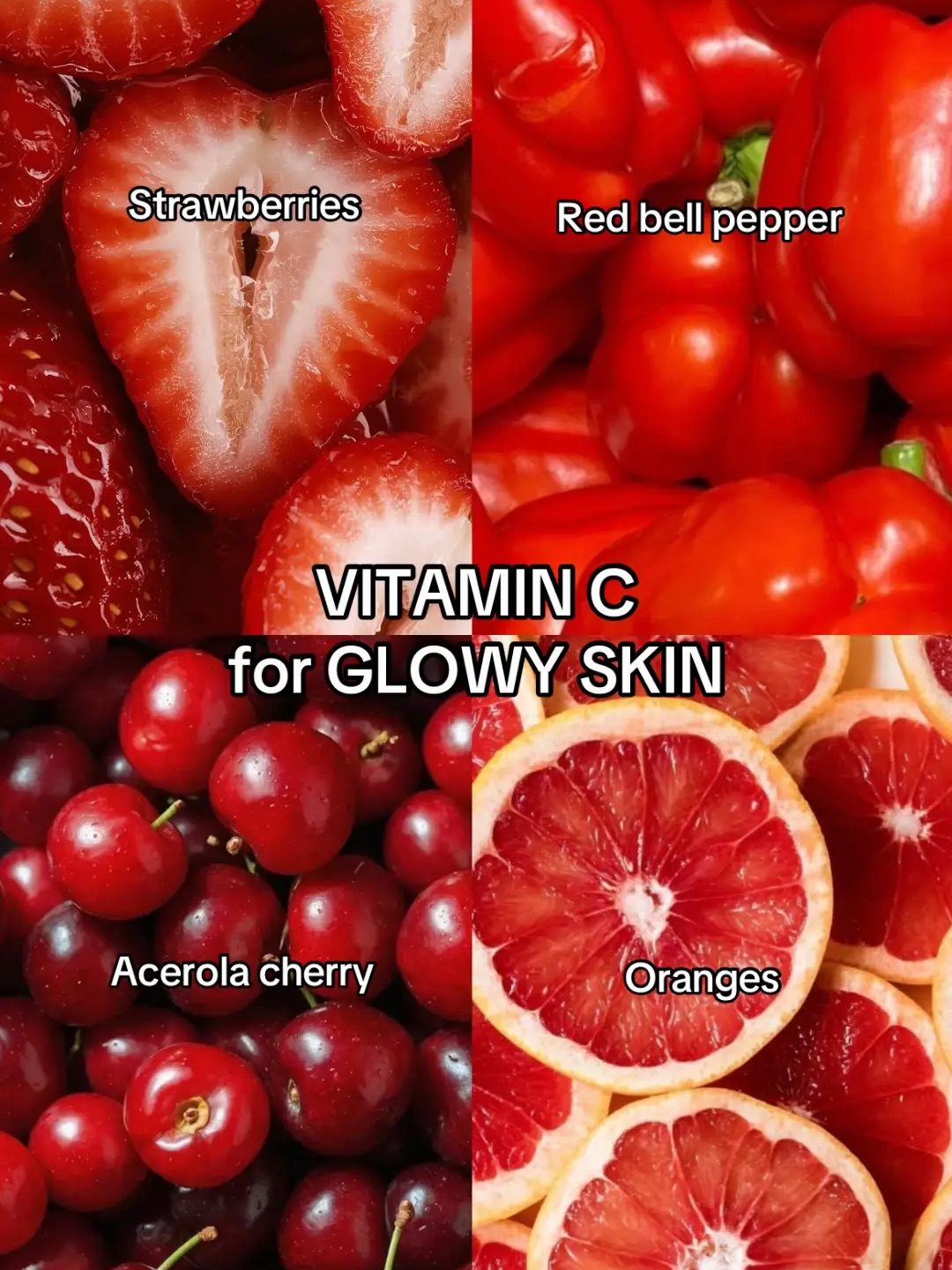
Vitamin C is a powerful antioxidant that supports skin health and overall recovery. Foods high in vitamin C, such as strawberries, red bell peppers, acerola cherries, and oranges, boost collagen production, immunity, and overall recovery. Incorporating these foods into your diet can help achieve glowing skin and improve the body's ability to recover from workouts, making it easier to achieve fitness goals.
Protein for Muscle Growth and Tone
Protein is essential for building and maintaining muscle mass, which is crucial for a toned physique. Foods rich in protein, such as chicken, Greek yogurt, tuna, and lentils, help build shape and not just lose weight. These foods provide the necessary amino acids to support muscle repair and growth, making them essential for anyone looking to improve their fitness and overall body composition.
Calcium for Strong Bones and Performance
Calcium is vital for maintaining strong bones and supporting long-term health. Foods high in calcium, such as tofu, almonds, kale, and sardines, support bone health and overall performance. Adequate calcium intake is essential for preventing bone-related injuries and maintaining overall fitness levels, making these foods crucial for anyone looking to stay active and healthy.
Omega-3 for Brain Function and Reduced Inflammation
Omega-3 fatty acids are essential for brain function and reducing inflammation. Foods rich in omega-3s, such as salmon, walnuts, mackerel, and chia seeds, support better focus, mood, and recovery. Incorporating these foods into your diet can help improve mental clarity and overall well-being, making it easier to stay motivated and committed to fitness goals.
Practical Tips for Improved Nutrition
Focus on nutrient-dense foods that provide essential vitamins, minerals, and macronutrients. Avoid processed foods and sugary beverages, which can hinder progress and negatively impact overall health. Stay consistent with your dietary choices and track your progress to make necessary adjustments. Try to eat a variety of foods to ensure you're getting a wide range of nutrients.
Important Takeaways
Understanding the role of nutrition in fitness is crucial for achieving long-term health and fitness goals. Focusing on nutrient-dense foods and avoiding extreme diets or restrictive eating patterns can lead to sustainable results. Incorporating fiber, vitamin C, protein, calcium, and omega-3s into your diet can significantly improve overall health and fitness outcomes, making it easier to feel better, perform better, and look better.
The Role of Mobile Apps in Nutrition Tracking
Mobile apps are becoming increasingly popular for tracking nutrition and fitness progress. Apps like WORKIT provide data-driven nutrition insights, making it easier to track calories, macros, and set deficit goals. These apps can help users lose weight with certainty by providing personalized recommendations and tracking progress over time. The app also emphasizes the importance of consistency and making gradual improvements in one's diet and fitness routine. The app helps users convert workouts into real money, offering rewards for staying consistent with their fitness goals.
Conclusion
Achieving a healthier body and improved performance requires a balanced diet rich in essential nutrients. By focusing on fiber, vitamin C, protein, calcium, and omega-3s, individuals can support their fitness goals and overall health. Mobile apps can provide additional support and guidance, making it easier to track progress and stay motivated. The key to success is consistency and making gradual improvements in one's diet and fitness routine.
Watch the Reel
Questions readers ask
What are the best foods for promoting muscle growth and recovery?
High-protein foods are excellent for muscle growth and recovery. Chicken, turkey, fish, eggs, and Greek yogurt are all excellent sources of protein. They provide the necessary amino acids for muscle repair and growth. Additionally, leafy greens, nuts, and whole grains offer essential nutrients that support overall muscle health.
Which nutrients are most beneficial for glowing skin?
Vitamins C, E, and A are particularly beneficial for skin health. Foods rich in these vitamins, such as strawberries, sweet potatoes, almonds, and carrots, can help improve skin texture and complexion. These nutrients also promote collagen production, which is essential for maintaining skin elasticity and radiance.
What are the top foods for strengthening bones?
Calcium-rich foods are crucial for bone health. Dairy products like milk, cheese, and yogurt are excellent sources. Vegetables such as kale, spinach, and broccoli also contain significant amounts of calcium. Additionally, vitamin D, found in fatty fish and fortified foods, aids in calcium absorption, further strengthening bones.
How does a balanced diet impact muscle growth and overall fitness?
A balanced diet provides the essential nutrients needed for muscle repair, growth, and overall fitness. It ensures that the body has the energy and resources to perform well during workouts and recover effectively afterward. A diet rich in proteins, healthy fats, and carbohydrates supports muscle development and improves endurance.
Are there specific foods that can help with muscle growth and skin health simultaneously?
Yes, certain foods offer benefits for both muscle growth and skin health. Foods like salmon, which is rich in protein and omega-3 fatty acids, and avocados, which contain healthy fats and vitamins, are great examples. These foods provide the necessary nutrients for muscle repair and skin hydration, helping you achieve both goals simultaneously.
What role does fiber play in a balanced diet for fitness and overall health?
Fiber is essential for maintaining a healthy digestive system and promoting a flat stomach. Foods rich in fiber, such as whole grains, fruits, and vegetables, help regulate digestion and prevent bloating. A high-fiber diet also supports overall health by lowering cholesterol levels and stabilizing blood sugar, enhancing energy levels and overall well-being.
How do the calories from nutrient-dense foods differ from those in processed foods?
Calories from nutrient-dense foods provide essential vitamins, minerals, and macronutrients that support various bodily functions, including muscle growth and repair. In contrast, processed foods often lack these nutrients and can lead to excess calorie consumption without the corresponding benefits. Focusing on nutrient-dense foods ensures that the body receives the necessary fuel for optimal performance and health.
Recent articles
Fresh deep dives from the latest Reels we unpacked.




Comments
Be the first to comment.