U.S. Foreign Aid Distribution
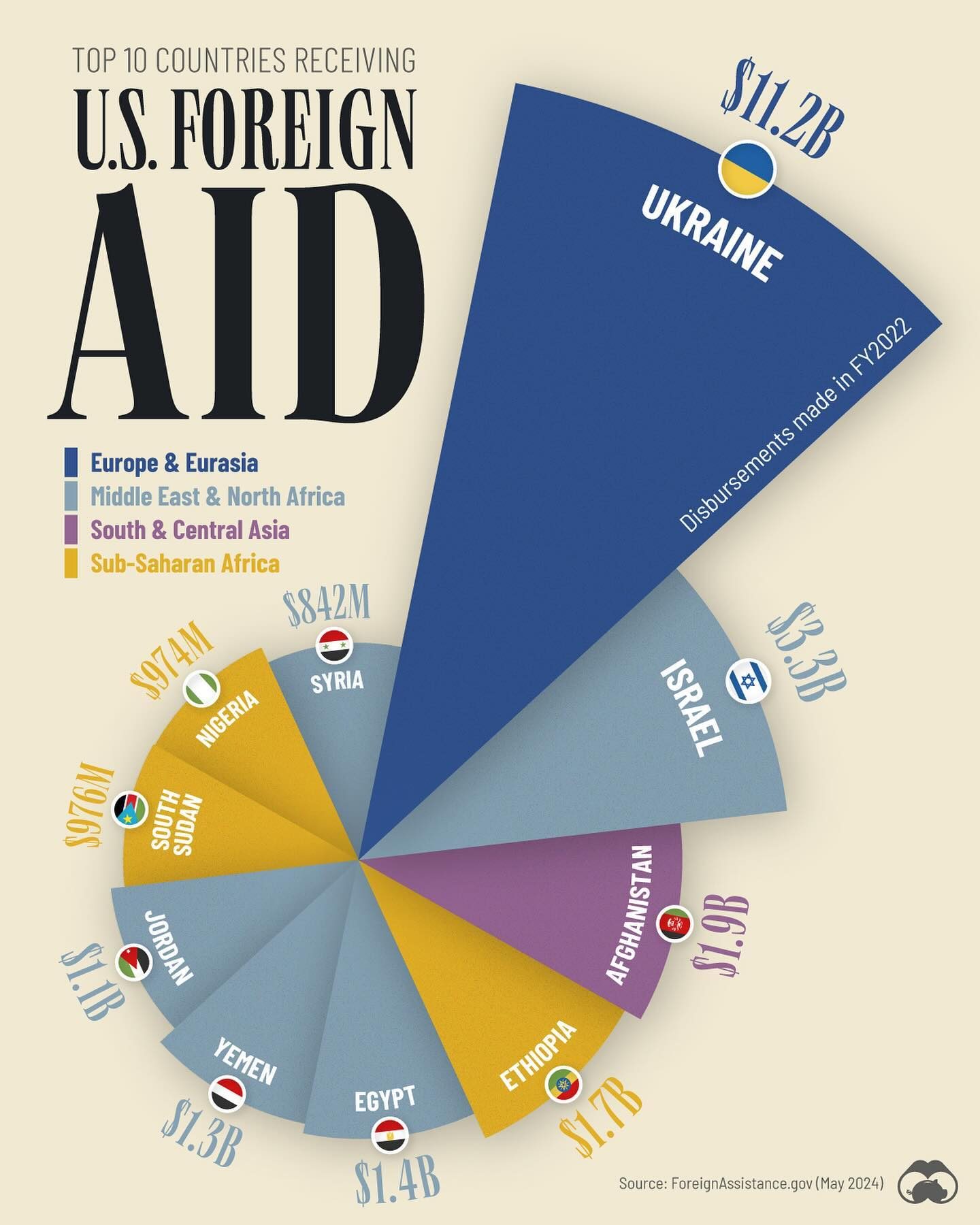
In fiscal year 2022, Ukraine received the largest share of U.S. foreign aid, totaling $11.2 billion. This significant allocation reflects the U.S.'s strategic priorities in promoting global stability, national security, and economic interests. The top 10 countries receiving U.S. foreign aid in FY2022 offer insights into geopolitical dynamics and humanitarian efforts worldwide.
Why This Matters
Understanding the distribution of U.S. foreign aid provides valuable context for global politics and humanitarian efforts. The allocation of aid reflects the U.S.'s strategic, economic, and humanitarian priorities, influencing international relations and development in recipient countries.
Breakdown of Top Recipients
Ukraine
Ukraine received the highest amount of U.S. foreign aid in FY2022, totaling $11.2 billion. This substantial aid supports Ukraine's defense and economic stability amidst ongoing geopolitical tension. The aid is aimed at bolstering Ukraine's capabilities to maintain sovereignty and security.
Middle East & North Africa
Several countries in the Middle East and North Africa received significant portions of U.S. foreign aid, including:
- Israel: Israel received $3.3 billion, reflecting long-standing defense and security cooperation and strategic alliances. The aid supports military defense, research, and development initiatives.
- Syria: Syria received $1.3 billion, with a significant portion allocated to humanitarian assistance. This aid supports efforts to alleviate the humanitarian crisis caused by the ongoing civil war and to provide essential services to affected populations.
- Jordan: Jordan received $1.3 billion, primarily for humanitarian and economic purposes. The aid supports refugee assistance, economic development, and regional stability.
- Egypt: Egypt received $842 million, focusing on economic and military support. This aid helps Egypt maintain domestic security and economic stability in the region.
- Yemen: Yemen received $1.7 billion, primarily for humanitarian assistance. The aid addresses the humanitarian crisis caused by the ongoing conflict, providing essential services and support to affected populations.
Europe & Eurasia
Beyond Ukraine, other countries in Europe and Eurasia received vital aid:
- Afghanistan: Afghanistan received $1.9 billion, primarily for humanitarian and economic aid. This support addresses the humanitarian crisis and supports efforts to rebuild the country's infrastructure.
South & Central Asia
No countries from South & Central Asia were in the top 10 recipients.
Sub-Saharan Africa
Three countries in Sub-Saharan Africa received substantial U.S. foreign aid:
- Nigeria: Nigeria received $974 million, focusing on security, economic development, and humanitarian assistance. This aid supports efforts to combat terrorism, promote economic stability, and provide essential services.
- South Sudan: South Sudan received $1.3 billion, primarily for humanitarian and economic assistance. The aid supports efforts to alleviate the humanitarian crisis caused by ongoing conflict and to provide essential services and support to affected populations.
- Ethiopia: Ethiopia received $1.3 billion, focusing on humanitarian and economic aid, supporting efforts to combat poverty, food insecurity, and political instability.
Practical Tips
If you're interested in following U.S. foreign aid, here are some practical tips:
- Stay Informed: Regularly check reliable sources like ForeignAssistance.gov for the latest updates on foreign aid distribution and allocations.
- Analyze Trends: Monitor annual reports and infographics to understand how aid distribution changes over time, reflecting evolving global priorities and challenges.
- Engage with Policy: Participate in public discussions and forums to stay informed about policy shifts and their impact on foreign aid. Advocate for transparency and accountability in foreign aid programs.
Important Takeaways
The distribution of U.S. foreign aid in FY2022 highlights several key points:
- Strategic Alliances: The substantial aid to countries like Ukraine and Israel underscores the U.S.'s commitment to strategic allies and regional security.
- Humanitarian Efforts: Significant portions of the aid are directed towards humanitarian assistance in conflict zones, reflecting the U.S.'s role in global humanitarian efforts.
- Economic and Security Support: Aid to countries like Egypt and Jordan supports both economic stability and defense capabilities, ensuring regional security and economic growth.
Conclusion
The distribution of U.S. foreign aid in FY2022 provides a clear snapshot of the country's priorities in global affairs. From supporting strategic allies to alleviating humanitarian crises, the allocation of aid reflects the U.S.'s comprehensive approach to international relations. Understanding these dynamics can offer valuable insights into global politics, economic stability, and humanitarian efforts.
Watch the Reel
Questions readers ask
Which country received the most U.S. foreign aid in 2022 and why?
Ukraine received the highest amount of U.S. foreign aid in 2022, totaling $11.2 billion. This substantial allocation was primarily due to the ongoing geopolitical and humanitarian challenges, including the conflict with Russia, which has significantly impacted the country's stability and infrastructure.
How does U.S. foreign aid in 2022 reflect U.S. geopolitical priorities?
The distribution of U.S. foreign aid in 2022 highlights the U.S.'s commitment to global stability and security. By providing aid to countries like Ukraine and Israel, the U.S. aims to bolster allies, counter adversaries, and promote strategic interests in key regions.
What are the primary reasons for U.S. assistance to Afghanistan in 2022?
U.S. assistance to Afghanistan in 2022 focused on addressing humanitarian needs resulting from decades of conflict, political instability, and economic challenges. The aid also aimed to support regional stability and counter extremist groups.
Why does the U.S. provide significant aid to Israel each year?
U.S. aid to Israel in 2022, amounting to $3.3 billion, is primarily due to the countries' strong military and diplomatic alliance. The aid supports Israel's defense capabilities and helps maintain regional security in the Middle East, which aligns with U.S. geopolitical interests.
What role does U.S. foreign aid play in countries like Nigeria and South Sudan?
In countries like Nigeria and South Sudan, U.S. foreign aid in 2022 focused on addressing significant humanitarian challenges, such as conflict, famine and displacement, and to promote regional stability. The aid includes support for food security, health, and humanitarian relief efforts.
How does U.S. foreign aid support global stability in 2022?
U.S. foreign aid in 2022 supports global stability by addressing crises in conflict-affected regions, promoting economic growth, and fostering democratic institutions. By providing aid to countries facing significant challenges, the U.S. helps to reduce poverty, prevent conflict, and encourage good governance.
Recent articles
Fresh deep dives from the latest Reels we unpacked.




Comments
Be the first to comment.