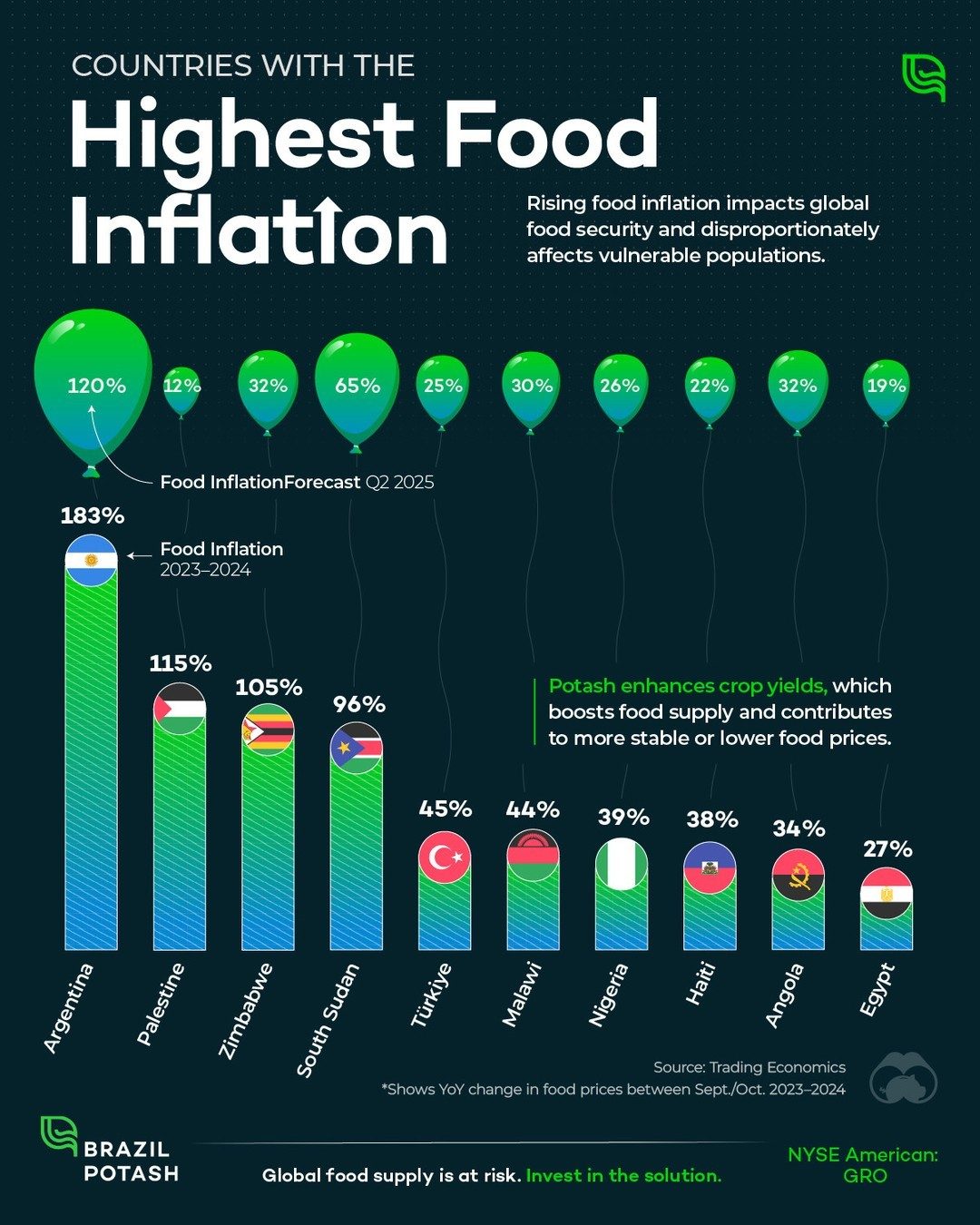
Food Inflation Forecast
Food inflation is a pressing issue, particularly affecting developing economies across South America, Africa, and the Middle East. The economic impact of rising food prices is severe, with vulnerable populations bearing the brunt. Brazil Potash highlights the key countries most affected by this inflation, preparing for 2024 and beyond.
Why This Matters
The impact of food inflation extends far beyond individual countries. It disrupts global supply chains, threatens food security, and exacerbates economic instability. Understanding the countries most affected by rising food prices is crucial for governments, investors, and organizations working to mitigate these challenges.
Developing Economies
Developing economies, particularly those in South America, Africa, and the Middle East, are especially vulnerable to food inflation. These regions often rely heavily on imports for essential food products, making them susceptible to global price fluctuations. Countries such as Argentina, Palestine, and Zimbabwe are among those experiencing some of the highest food inflation rates.
Main Discussion
Countries with the Highest Food Inflation
Argentina
Argentina faces significant food inflation, with forecasts indicating a sharp rise in prices. The country's reliance on agricultural exports makes it particularly vulnerable to global market volatility.
Palestine
Palestine is grappling with severe food inflation, exacerbating existing economic and social challenges. High inflation rates threaten food security and stability, making it essential for policymakers to address these issues urgently.
Zimbabwe
Zimbabwe continues to suffer from high food inflation, which has been compounded by economic instability and currency devaluation. The country's agricultural sector is crucial for food security, but it faces numerous obstacles, including climate change and limited resources.
Egypt
Egypt's food inflation is a growing concern, with rising prices affecting essential commodities. The country relies heavily on food imports, making it vulnerable to global price fluctuations.
South Sudan
South Sudan is among the countries with the highest food inflation, which has been exacerbated by ongoing conflict and economic instability. Access to food is a pressing issue, and the country needs urgent support to address food security challenges.
Nigeria
Nigeria is experiencing significant food inflation, which threatens the country's food security. Rising prices on essential commodities are a major concern, particularly for vulnerable populations.
Malawi
Malawi is also grappling with food inflation, which has been exacerbated by climate change and economic instability. The country's agricultural sector is crucial for food security, but it faces numerous challenges.
Haiti
Haiti's food inflation is a major concern, with rising prices affecting essential commodities. The country's reliance on food imports makes it vulnerable to global price fluctuations, and addressing food security is a pressing issue.
Angola
Angola is experiencing significant food inflation, which threatens its food security. Rising prices on essential commodities are a major concern, particularly for vulnerable populations.
Turkey
Turkey is grappling with food inflation, which has been exacerbated by economic instability and currency devaluation. The country's agricultural sector is crucial for food security, but it faces numerous challenges.
Potash and Food Security
Potash, a crucial nutrient in crop growth, is essential for enhancing yields and boosting food supply. GRO is leveraging potash to support global food security, highlighting its role in addressing rising food prices.
Practical Tips
Investing in Agricultural Solutions
Investing in agricultural solutions, such as GRO Brazil's potash products, can help enhance crop yields and address food inflation. By boosting food production, countries can mitigate the impact of rising prices and enhance their food security.
Support for Vulnerable Populations
Governments and organizations need to prioritize support for vulnerable populations, including providing subsidies, food assistance, and economic relief. This support is crucial for ensuring food security and stability, particularly in regions with high food inflation.
Promoting Agricultural Innovations
Promoting agricultural innovations, such as sustainable farming practices and technological advancements, can help enhance crop yields and reduce reliance on imports. These innovations are essential for addressing food inflation and ensuring food security in the long term.
Important Takeaways
Food inflation is a global challenge, particularly impacting developing economies. Countries such as Argentina, Palestine, Zimbabwe, and Egypt are among those most affected, and addressing food inflation requires a multi-faceted approach. Investing in agricultural solutions, supporting vulnerable populations, and promoting agricultural innovations can help mitigate the impact of rising food prices and enhance global food security.
Conclusion
Food inflation is a growing global challenge, particularly in South America, Africa, and the Middle East. Rising prices threaten food security and exacerbate economic instability, making it crucial for countries and organizations to take proactive measures. By investing in agricultural solutions, supporting vulnerable populations, and promoting innovations, the global community can work together to address this pressing issue and ensure a more secure food supply.
Watch the Reel
Questions readers ask
Which countries in South America are expected to have the highest food inflation in 2024?
In South America, countries like Argentina are projected to experience some of the highest food inflation rates in 2024. Other countries in the region, such as Brazil, are also likely to face significant increases in food prices, making them key areas to monitor.
How does food inflation in Palestine compare to other countries in the Middle East?
Palestine is facing one of the highest food inflation rates in the Middle East. While other countries in the region may also experience significant increases in food prices, Palestine's situation is particularly challenging due to its economic and political dynamics.
What are the primary causes of food inflation in Africa in 2024?
Food inflation in Africa is driven by a combination of factors. This includes disruptions in global supply chains, local economic instability, and climate-related issues that affect agricultural production. Zimbabwe is one of the countries most significantly impacted by these factors.
How does food inflation impact global supply chains?
Food inflation disrupts global supply chains by increasing the cost of food production and transportation. This can lead to shortages and price increases in various markets worldwide, affecting both importing and exporting countries. Understanding these disruptions is crucial for governments and investors to implement effective strategies.
Why is Egypt expected to be significantly affected by food inflation in 2024?
Egypt, with its high dependence on food imports and a large population, is particularly vulnerable to food inflation. Rising food prices can exacerbate economic instability, leading to social unrest and increased pressure on the government to address food security issues.
What measures can governments take to mitigate the impact of food inflation in 2024?
Governments can implement policies such as subsidies, price controls, and investment in local agricultural infrastructure to mitigate the impact of food inflation. Collaboration with international organizations and other countries can also help to stabilize food supply chains and reduce the economic burden on vulnerable populations.
What role do investors play in addressing food inflation?
Investors play a crucial role by directing capital towards stable agricultural sectors in developing economies. This can help to increase food production and improve supply chains, reducing the overall impact of inflation on global food prices. Governments and organizations can work with investors to create sustainable solutions.
Recent articles
Fresh deep dives from the latest Reels we unpacked.




Comments
Be the first to comment.