The Most Controversial Brands and Why Some Avoid Them
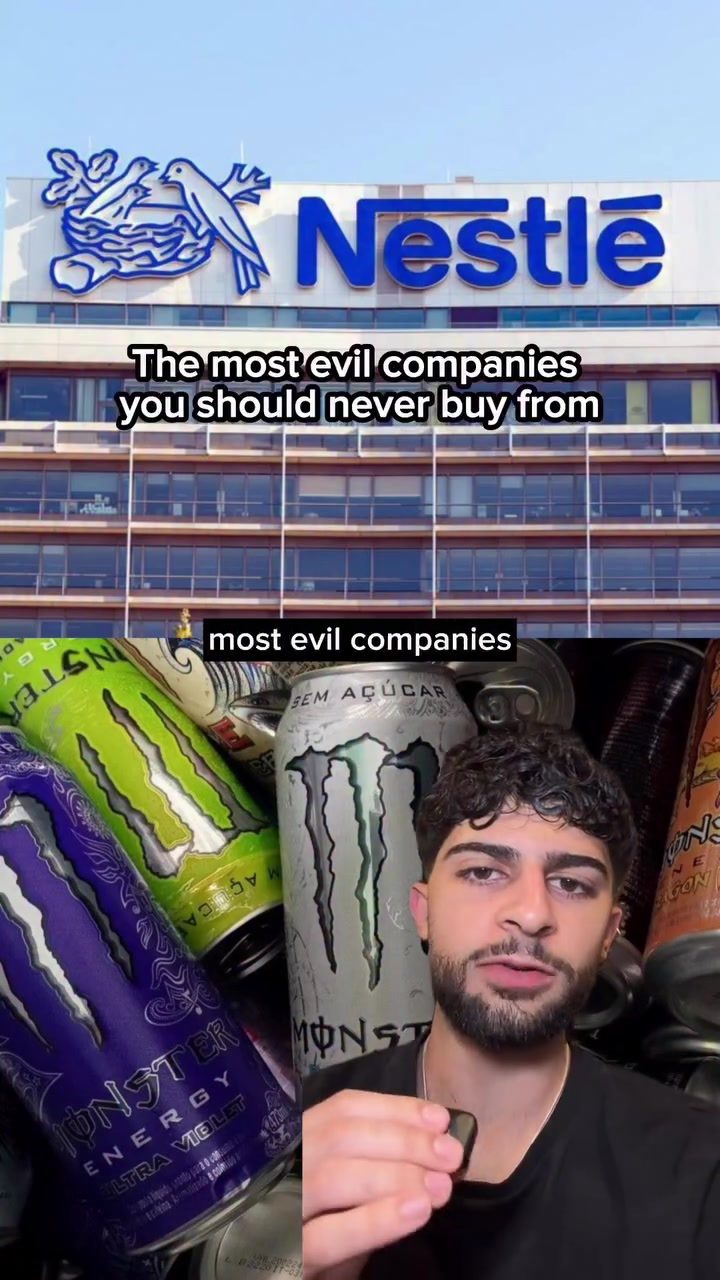
In the realm of consumer products, certain brands have garnered notoriety for various reasons, leading some consumers to avoid them altogether. Here, we delve into some of the most controversial companies and the reasons behind their contentious reputations. These include snack and breakfast food maker Kellogg's, energy drink brand Monster Energy, coffeehouse giant Starbucks, and beverage conglomerate Nestlé.
Why This Matters
Consumer choices have a significant impact on the market and the world at large. By understanding the controversies surrounding certain brands, consumers can make more informed decisions about where to spend their money. Whether it's concerns over health, ethics, or environmental impact, the brands highlighted here have sparked debates that go beyond simple consumer preferences.
Breakdown of Controversial Brands
Kellogg's: Healthy Food or Hormone Disruptor?
Kellogg's, a household name in breakfast foods, has faced criticism due to its founder's intentions. Some claim that the company was initially created with the aim of lowering human hormones, which has raised concerns about the health implications of their products.
Monster Energy: The 666 Controversy
Monster Energy, known for its vibrant cans and high-caffeine content, has been a subject of controversy due to its logo. Some argue that the logo contains the number 666 when viewed in Hebrew, which has led to speculations about its symbolism and the company's intentions.
Starbucks: Demonic Symbols and Health Concerns
Starbucks, a ubiquitous coffee chain, has also faced its share of controversies. The company's logo has been interpreted by some as symbolizing a demonic, lustful figure. Additionally, there have been concerns about the presence of cancer-causing chemicals in their products, further fueling the debate around the brand's ethical standing.
Nestlé: The Water Rights Debate
Nestlé, a giant in the food and beverage industry, has come under fire for its stance on water rights. The company has been criticized for its aggressive water bottling practices and for taking a position that water is not a human right but a commodity to be sold for profit. This stance has sparked global debates about the ethics of water privatization.
Practical Tips for Consumers
Research Before You Buy
Before purchasing from any company, it's essential to do some research. Look into the brand's history, ethical practices, and product safety records. This can help you make more informed decisions about where to spend your money.
Support Ethical Brands
When possible, support brands that align with your values. Look for companies that prioritize sustainability, ethical labor practices, and product safety. By supporting these brands, you can help drive positive change in the market.
Consider the BIG Picture
Think about the broader impact of your purchasing decisions. Consider not just the product itself but also the company's impact on the environment, workers, and communities.
Important Takeaways
- Kellogg's: Controversy surrounds the company's founder and the perceived health implications of its products.
- Monster Energy: Critics point to the numerical symbolism in the brand's logo, sparking concerns about its symbolism and intentions.
- Starbucks: The company faces criticism over its logo and the presence of cancer-causing chemicals in its products.
- Nestlé: Debates center around the company's stance on water rights and its water bottling practices.
Conclusion
The controversies surrounding brands like Kellogg's, Monster Energy, Starbucks, and Nestlé highlight the complexities of modern consumerism. By understanding these issues, consumers can make more informed choices and support brands that align with their values. Whether it's concerns over health, ethics, or environmental impact, the brands highlighted here have sparked debates that go beyond simple consumer preferences.
Watch the Reel
Questions readers ask
Why is Kellogg's considered a controversial brand?
Kellogg's has faced criticism for various reasons, including health concerns over sugar content in their cereals and snacks, and ethical issues like labor practices and animal welfare in their supply chain. Additionally, they have been involved in legal disputes regarding misleading labeling and marketing practices.
What are the primary criticisms of Monster Energy?
Monster Energy is often criticized for its high sugar and caffeine content, which some argue poses health risks, particularly for younger consumers. The brand has also faced legal challenges related to these ingredients and their marketing strategies.
What ethical issues surround Nestlé?
Nestlé has been criticized for numerous ethical issues, including water privatization, environmental degradation, and child labor in their supply chain, particularly in the cocoa industry. These controversies have led many consumers to question the ethics of supporting the brand.
What are some of the controversies associated with Starbucks?
Starbucks has faced criticism for various reasons, including labor practices, tax avoidance strategies, and environmental impact. The company has also been accused of exploiting farmers in developing countries and contributing to deforestation.
Why might a consumer choose to avoid brands with significant environmental impact?
Consumers might avoid brands with significant environmental impact due to concerns about sustainability, climate change, and the preservation of natural resources. By choosing to support more environmentally responsible companies, consumers can help reduce their carbon footprint and promote better environmental practices.
Recent articles
Fresh deep dives from the latest Reels we unpacked.


Comments
Be the first to comment.