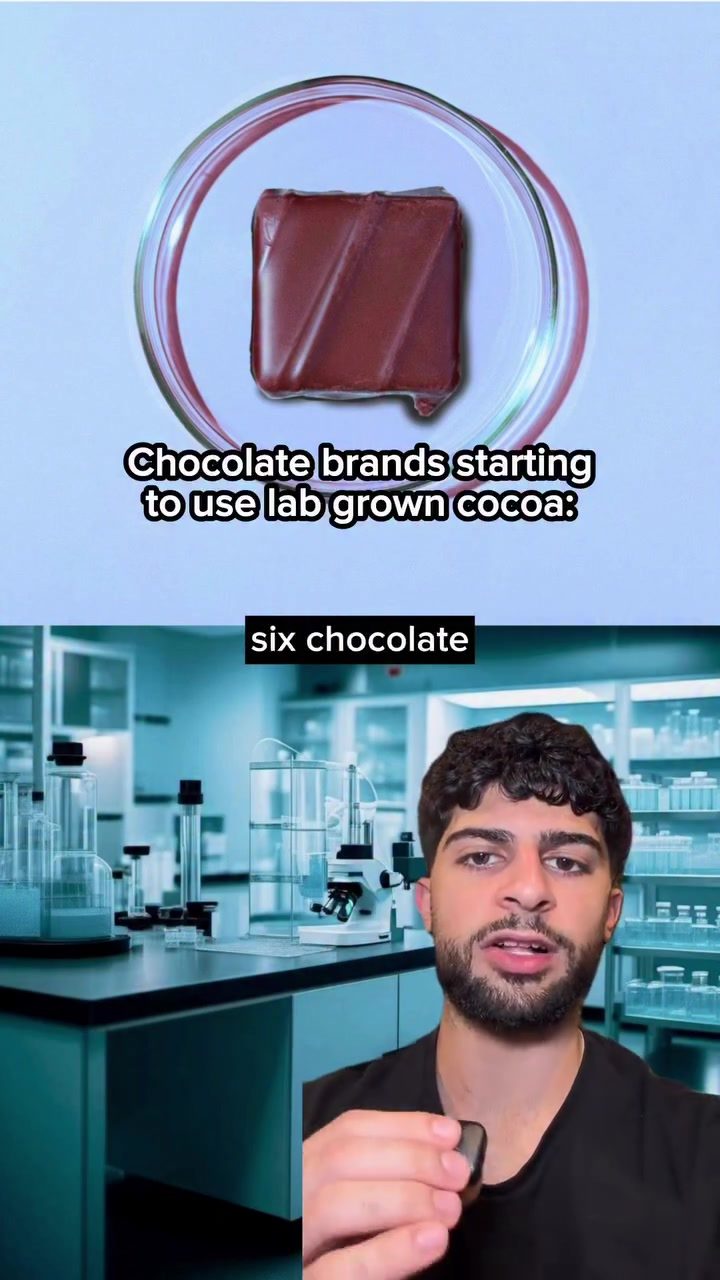
Lab-Grown Chocolate: A New Era in Cocoa Production
Lab-grown chocolate is an emerging food phenomenon. Instead of traditional cocoa farming, labs harvest cocoa cells from cacao plants. These cells are then grown in lab tanks filled with nutrients and sugars, multiplying rapidly. Next, they are fermented and roasted to create chocolate. This process mirrors traditional chocolate production methods, with a significant shift in where and how cocoa is cultivated.
Why This Matters
The global chocolate market is substantial and ever-growing. However, traditional cocoa farming faces several challenges, including deforestation, labor issues, and sustainability concerns. Traditional cocoa farming involves large-scale deforestation to create plantations, contributing to environmental degradation and habitat loss. Additionally, traditional cocoa farming often relies on child labor and poor working conditions, raising ethical concerns.
The development of lab-grown cocoa offers a promising alternative. By growing cocoa cells in controlled laboratory environments, this method can significantly reduce the environmental impact of chocolate production. Lab-grown cocoa can eliminate the need for deforestation, as it doesn't require large plantations. Furthermore, it can improve labor conditions by reducing the demand for manual labor in cocoa farms and eliminating the need for child labor.
Main Discussion
Key Players in Lab-Grown Cocoa
Several major chocolate brands have already started investing in lab-grown cocoa technology. Some of the key players include:
- Cadbury: Invested $4.6 million in a lab-grown cocoa company.
- KitKat: Invested $44 million in a lab-grown cocoa company.
- Lindt: Invested $5.6 million in a lab-grown cocoa company.
- Kinder: Invested $15 million in a lab-grown cocoa company.
- Snickers: Has a budget of $2 billion to invest in lab-grown chocolate.
These investments highlight the growing interest in lab-grown cocoa among major chocolate brands. The significant financial backing from these companies suggests a shift in the chocolate industry towards more sustainable and ethical production methods.
The Process of Making Lab-Grown Chocolate
The process of making lab-grown chocolate involves several key steps:
- Cell Harvesting: Cells are harvested from cacao plants, the same species used in traditional cocoa farming.
- Cell Cultivation: These cells are then grown in lab tanks with nutrients and sugars, allowing them to multiply rapidly.
- Fementation and Roasting: The lab-grown cocoa is then fermented and roasted, similar to traditional cocoa beans.
This process replicates the flavor and texture of traditional chocolate while offering a more sustainable alternative to traditional cocoa farming.
Benefits and Challenges
Benefits
- Environmental Sustainability: Lab-grown cocoa reduces the environmental impact of chocolate production by eliminating the need for large-scale deforestation.
- Economic Viability: Lab-grown cocoa can be more cost-effective in the long run, as it reduces the need for manual labor and eliminates the costs associated with traditional cocoa farming.
- Quality Control: Growing cocoa in a controlled laboratory environment allows for precise quality control, ensuring consistent and high-quality chocolate.
Challenges
- Long-term Health Effects: There is currently no long-term human data on the health effects of consuming lab-grown chocolate. More research is needed to understand the potential health impacts of this new type of chocolate.
- Labeling and Transparency: Clear labeling is crucial for consumers to make informed choices. Ensuring that lab-grown chocolate is accurately labeled and transparent about its origins is essential for building consumer trust.
Practical Tips
When purchasing chocolate, especially if you're interested in lab-grown varieties, keep the following tips in mind:
- Read Ingredient Labels: Pay attention to ingredient labels and avoid products containing terms like "chocolate flavoring" or "cocoa compounds," which may indicate lower-quality or artificially enhanced products.
- Support Ethical Brands: Look for brands that are transparent about their sourcing and production methods. Supporting ethical and sustainable practices can help drive the industry toward more responsible practices.
- Check for Certifications: Look for certifications that indicate the chocolate has been produced using sustainable and ethical practices. Organizations like Rainforest Alliance and Fair Trade can provide valuable insights into a brand's commitment to sustainability.
Important Takeaways
The rise of lab-grown chocolate represents a significant shift in the chocolate industry. This innovative technology offers a more sustainable and ethical alternative to traditional cocoa farming, addressing environmental and labor concerns. However, it is essential to ensure that consumers are well-informed about the origins and potential health impacts of lab-grown chocolate. Clear labeling and transparency are crucial for building consumer trust and promoting the widespread adoption of this new technology.
Conclusion
Lab-grown chocolate is poised to revolutionize the chocolate industry by offering a more sustainable and ethical alternative to traditional cocoa farming. As major brands like Cadbury, KitKat, Lindt, Kinder, and Snickers invest in this technology, the future of chocolate looks increasingly promising. By understanding the benefits and challenges of lab-grown chocolate, consumers can make informed choices and support a more sustainable future for this beloved treat.
Watch the Reel
Questions readers ask
What is lab-grown cocoa and how is it produced?
Lab-grown cocoa is produced by harvesting cocoa cells from cacao plants and growing them in lab tanks containing nutrients and sugars. These cells multiply rapidly and are then fermented and roasted to create chocolate, similar to traditional methods but without the need for vast areas of farmland.
Why are top chocolate brands investing in lab-grown cocoa?
Top chocolate brands are investing in lab-grown cocoa to address sustainability concerns, reduce deforestation, and improve labor conditions. This innovative approach allows for chocolate production with a smaller environmental footprint and fewer ethical issues.
How does lab-grown cocoa help reduce deforestation?
Traditional cocoa farming often involves clearing large areas of forests to create plantations. Lab-grown cocoa eliminates the need for such extensive land use, as the cocoa cells are cultivated in controlled lab environments, thereby reducing deforestation and preserving natural habitats.
What are the benefits of lab-grown cocoa over traditional cocoa?
Lab-grown cocoa offers several benefits, including reduced environmental impact, improved labor conditions, and consistent quality. It also ensures a stable supply of cocoa, independent of climate fluctuations and pests that can affect traditional farming.
Which chocolate brands are leading the way in sustainability with lab-grown cocoa?
While specific brands may vary, many top chocolate brands are exploring lab-grown cocoa as a sustainable alternative. Some brands have publicly announced their investments in this technology, aiming to create a more ethical and environmentally friendly product lineup.
Can lab-grown chocolate taste as good as traditionally farmed chocolate?
Lab-grown chocolate aims to replicate the taste of traditionally farmed chocolate by using the same fermentation and roasting processes. While the taste may vary slightly, many consumers find lab-grown chocolate to be a satisfying and ethical alternative.
What does the future hold for lab-grown cocoa in the chocolate industry?
The future of lab-grown cocoa looks promising, with ongoing investments and research. As technology advances, lab-grown cocoa could become a mainstream alternative, offering a more sustainable and ethical way to enjoy chocolate, all while addressing environmental and labor concerns in the cocoa industry.
Related deep dives
Similar reads based on topic and creator.

Recent articles
Fresh deep dives from the latest Reels we unpacked.




Comments
Be the first to comment.