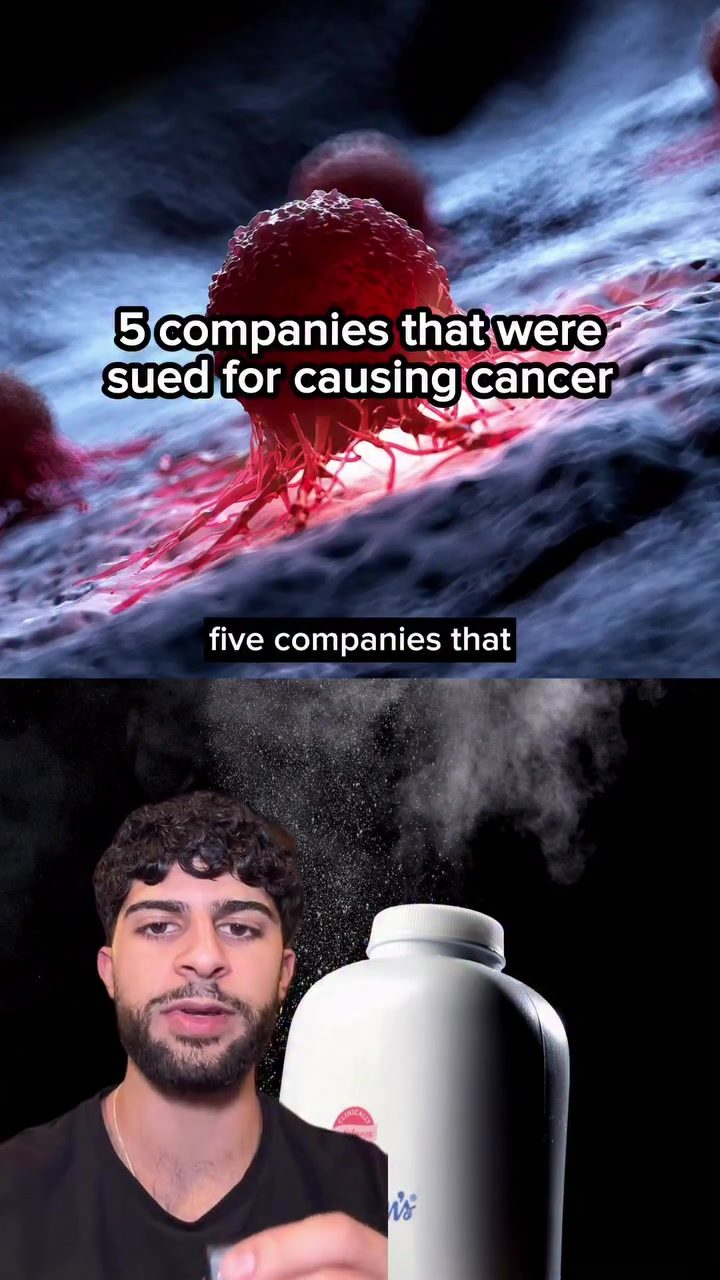
The Scandalous Truth of Certain Popular Products
When it comes to well-known brands, it is often assumed that they are safe and reliable. However, recent lawsuits have exposed some troubling issues with several widely-used products. Let's delve into the details of these controversies and understand their implications.
Why this Matters
Consumer trust in brands is built over years of consistent quality and safety. When this trust is broken, it can lead to widespread health concerns and legal battles. Understanding the specific issues with these products is crucial for making informed decisions about what we use and consume daily. Products that have recently been at the center of legal controversies and the potential risks they pose.
Main Discussion
Starbucks and Acrylamide
Starbucks, a global leader in coffee, faced legal action under California's Proposition 65. Proposition 65 requires businesses to notify consumers about significant exposures to chemicals known to cause cancer or reproductive toxicity. Starbucks was found to contain acrylamide, a chemical formed during the coffee roasting process. This led to claims that the company failed to warn consumers about the potential cancer risk associated with acrylamide exposure.
What is Acrylamide? Acrylamide is a chemical compound that can form in some foods, particularly starchy foods, during high-temperature cooking processes like frying, roasting, and baking. It is classified as a Group 2A carcinogen by the International Agency for Research on Cancer, meaning it is probably carcinogenic to humans. In coffee, acrylamide forms during the roasting process and can be present in both ground and brewed coffee.
Banana Boat and Benzene
Banana Boat, a popular brand of sunscreen, faced lawsuits after independent testing detected benzene, a known carcinogen, in certain batches of their sunscreen. Benzene is a chemical that has been linked to various types of cancer, including leukemia and blood cancers. The lawsuits allege that contaminated products were sold to consumers without adequate warning.
The Dangers of Benzene Benzene is a colorless or light yellow liquid chemical that is highly flammable and has a sweet odor. It is widely used in the production of plastics, resins, synthetic fibers, rubber, dyes, detergents, drugs, and pesticides. Exposure to benzene can occur through inhalation, skin contact, or ingestion. Long-term exposure to benzene can lead to serious health issues, including an increased risk of cancer.
Colgate and Heavy Metals
Colgate, a well-known brand in oral hygiene, has faced claims tied to trace levels of heavy metals like lead in some of its toothpaste products. Lead is a toxic heavy metal that can cause serious health problems, including developmental delays, learning disabilities, and behavioral issues. The lawsuits argue that the presence of lead in toothpaste products poses a significant health risk to consumers, particularly children.
The Hazards of Lead Lead is a naturally occurring heavy metal that has been used in various products for centuries. However, it is also a highly toxic substance that can cause serious health problems, especially in children. Lead exposure can occur through inhalation, ingestion, or skin contact. Symptoms of lead poisoning include abdominal pain, constipation, fatigue, and headaches, among others. In severe cases, lead poisoning can lead to coma, convulsions, and even death.
Chobani and Phthalates
Chobani, a popular brand of Greek yogurt, has been challenged in lawsuits over alleged phthalate exposure from packaging materials. Phthalates are a group of chemicals used to make plastics more flexible and durable. They are commonly found in products like food packaging, cosmetics, and children's toys. However, phthalates have been linked to various health issues, including endocrine disruption and potential cancer-related risks.
Understanding Phthalates Phthalates are a group of chemicals used as plasticizers to make plastics more flexible and durable. They are commonly found in products like food packaging, cosmetics, and children's toys. However, phthalates have been linked to various health issues, including endocrine disruption, reproductive problems, and potential cancer-related risks. Exposure to phthalates can occur through ingestion, inhalation, or skin contact.
Johnson & Johnson and Asbestos
Johnson & Johnson, a major player in the baby care and health industry, has been hit with significant lawsuits claiming that its talc-based powders contained asbestos contamination. Asbestos is a known carcinogen that has been linked to serious health issues, including mesothelioma, a rare and aggressive form of cancer. The lawsuits allege that the company's failure to warn consumers about the potential risks posed by asbestos contamination in their talc products has led to widespread health problems.
The Perils of Asbestos Asbestos is a naturally occurring mineral that has been widely used in various industries due to its strength, durability, and resistance to heat and chemicals. However, it is also a known carcinogen that has been linked to serious health issues, including mesothelioma, lung cancer, and asbestosis. Exposure to asbestos can occur through inhalation of asbestos fibers, which can become lodged in the lungs and cause inflammation, scarring, and cancer.
Practical tips
Stay Informed
Consumers should stay informed about the products they use and the potential risks associated with them. Regularly checking for recalls, warnings, and lawsuits related to products can help ensure safety.
Read Labels
Pay close attention to product labels and ingredient lists. Look for any warnings or advisories about potential hazards. If a product has been recalled or known to cause issues, avoid using it.
Opt for Natural Alternatives
Where possible, opt for natural and organic products. These are generally safer and free from harmful chemicals that may pose health risks.
Research Brands
Research the brands you trust. Look for companies with a strong track record of safety and transparency. Avoid brands that have faced multiple lawsuits or have a history of negligence.
Report Concerns
If you suspect a product is harmful or has caused health issues, report it to the relevant authorities. Your report could help others avoid similar problems and hold companies accountable.
Important Takeaways
These lawsuits serve as a stark reminder that even trusted brands can pose health risks. Consumers should be vigilant and informed about the products they use. Regular updates on product safety, transparency in labeling, and accountability from manufacturers are crucial for maintaining consumer trust and safety.
Conclusion
The controversies surrounding Starbucks, Banana Boat, Colgate, Chobani, and Johnson & Johnson highlight the importance of consumer awareness and vigilance. These brands, once trusted by millions, have faced significant legal challenges due to potential health risks associated with their products. By staying informed, reading labels, opting for natural alternatives, researching brands, and reporting concerns, consumers can protect themselves and their families from harmful products.
Watch the Reel
Recent articles
Fresh deep dives from the latest Reels we unpacked.




Comments
Be the first to comment.