Brussels Sprouts Benefits for Bone Health
Brussels sprouts are a dietary superstar, especially when it comes to supporting bone health. These small, nutrient-packed vegetables offer a variety of benefits that contribute to strong, healthy bones. Whether you're a fan of Brussels sprouts or not, the evidence suggests that incorporating them into your diet can pay significant dividends for your skeletal health.
Why This Matters
Maintaining strong bones is crucial for overall health and mobility, especially as we age. Bone health is often associated with calcium intake, but vitamin K plays an equally important role. Vitamin K helps to activate proteins that bind calcium to bone tissue, ensuring that this essential mineral is deposited where it's needed most. This process is vital for building and maintaining strong bones.
Main Discussion
Brussels sprouts are a rich source of vitamin K, but their benefits go far beyond this single nutrient. Let's explore the various ways in which Brussels sprouts support bone health and overall well-being.
Vitamin K and Bone Health
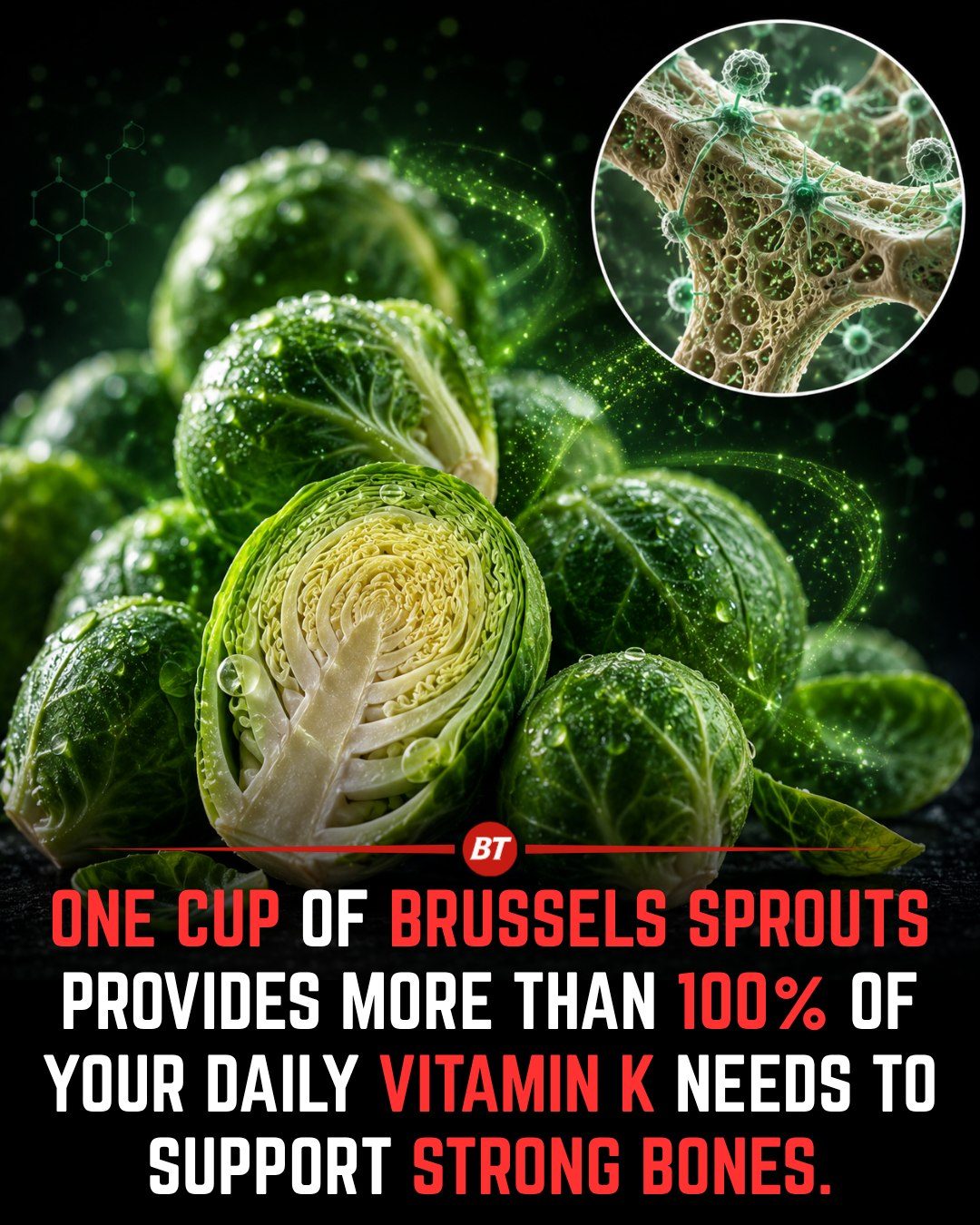
Vitamin K is essential for bone health, and Brussels sprouts are an excellent source of it. In fact, one cup of Brussels sprouts provides more than 100% of your daily vitamin K needs. This nutrient is crucial because it activates special proteins that help bind calcium to bone tissue. Research has shown that people with higher vitamin K intake tend to have better bone mineral density and a lower risk of fractures as they age.
Additional Nutrients for Bone Support
Brussels sprouts offer much more than just vitamin K. They are also rich in vitamin C, fiber, folate, and antioxidant compounds. These nutrients work together to support stronger bones from multiple angles. Vitamin C, for instance, helps support collagen production, which forms the framework that minerals are built upon. Antioxidant compounds help reduce oxidative stress, further promoting overall health.
Cruciferous Vegetables and Healthy Aging
As a member of the cruciferous vegetable family, Brussels sprouts contain beneficial plant compounds that have been studied for their role in supporting healthy aging and cellular protection. These compounds contribute to overall health and may help mitigate the effects of aging on the body.
Practical Tips
Incorporating Brussels sprouts into your diet is easier than you might think. Here are some practical tips to help you get the most out of this nutritious vegetable.
Cooking Methods
One of the simplest ways to enjoy Brussels sprouts is by roasting them. Toss Brussels sprouts with olive oil, garlic, and herbs, then roast in the oven until they are crispy and golden. Roasting brings out their natural sweetness and adds a satisfying crunch. You can also stir-fry Brussels sprouts with other vegetables for a quick and nutritious side dish.
Versatile Recipes
Brussels sprouts can be added to a variety of dishes to boost their nutritional value. Try adding them to salads for a crunchy, vitamin-packed topping, or incorporate them into soups and stews for added depth and flavor. Their versatility makes them an excellent addition to many meals.
Daily Intake
While Brussels sprouts are a great source of vitamin K, it's important to maintain a balanced diet that includes a variety of nutrient-dense foods. Aim to include Brussels sprouts in your meals a few times a week to reap their bone-supporting benefits.
Important Takeaways
Brussels sprouts are a powerhouse of nutrients that support bone health in numerous ways. Key takeaways include:
- Brussels sprouts are rich in vitamin K, which is essential for binding calcium to bone tissue.
- They also provide vitamin C, fiber, folate, and antioxidant compounds that support overall bone health.
- Incorporating Brussels sprouts into your diet can help maintain strong bones and support healthy aging.
Conclusion
Brussels sprouts are more than just a trendy superfood—they are a powerful ally in the quest for strong, healthy bones. By providing a rich source of vitamin K and other essential nutrients, these versatile vegetables offer a range of benefits that support bone health and overall well-being. Whether you roast, stir-fry, or add them to your favorite dishes, Brussels sprouts are a tasty and nutritious addition to any diet.
Watch the Reel
Questions readers ask
What makes Brussels sprouts particularly beneficial for bone health?
Brussels sprouts are rich in vitamin K, which is essential for activating proteins that bind calcium to bone tissue. This process enhances calcium absorption and improves bone mineral density, contributing to stronger, healthier bones.
How does vitamin K in Brussels sprouts support bone health?
The vitamin K found in Brussels sprouts helps to activate osteocalcin, a protein that binds calcium to the bone matrix. This activation is crucial for maintaining and improving bone density, thereby reducing the risk of fractures and osteoporosis.
What other nutrients in Brussels sprouts contribute to bone health?
In addition to vitamin K, Brussels sprouts contain vitamins A, C, and E, as well as minerals like potassium and magnesium. These nutrients collectively support bone health by promoting overall well-being and reducing inflammation in the body.
Can consuming Brussels sprouts help prevent osteoporosis?
Yes, the vitamin K in Brussels sprouts plays a significant role in maintaining bone density, which can help prevent osteoporosis. By promoting the proper absorption of calcium and supporting bone mineralization, Brussels sprouts can contribute to stronger bones and reduce the risk of osteoporosis.
Are Brussels sprouts the best vegetable for bone health?
While Brussels sprouts are exceptionally good for bone health due to their high vitamin K content, other vegetables also offer significant benefits. Vegetables like leafy greens, broccoli, and cabbage are also rich in vitamins and minerals that support bone health. Including a variety of these vegetables in your diet is ideal.
How much vitamin K is in a serving of Brussels sprouts?
A single serving of Brussels sprouts, about one cup of cooked sprouts, contains approximately 244 micrograms of vitamin K. This amount is more than double the daily recommended intake for adults, making Brussels sprouts a powerful source of this essential nutrient for bone health.
Can cooking methods affect the vitamin K content in Brussels sprouts?
The vitamin K in Brussels sprouts is relatively stable during cooking, but it can be sensitive to prolonged exposure to light and heat. Lightly steaming or sautéing Brussels sprouts can help preserve their vitamin K content, making these methods preferable to boiling.
Related deep dives
Similar reads based on topic and creator.




Recent articles
Fresh deep dives from the latest Reels we unpacked.




Comments
Be the first to comment.