Low-Calorie Foods: Maximizing Volume, Minimizing Calories
When it comes to weight loss or maintaining a healthy lifestyle, many people focus on cutting calories. However, there is a more sustainable approach: choosing foods that are low in calories but high in volume. These foods help you feel full while keeping your calorie intake in check. Let’s delve into some of the best low-calorie foods and strategies to incorporate them into your diet.
Why This Matters
The key to successful weight management is not just about reducing calories but also about making smarter food choices. Low-calorie foods that are high in volume provide the satisfaction of eating more while keeping your calorie count low. This approach can make your diet more enjoyable and sustainable in the long run. Studies have shown that eating more volume foods can increase feelings of fullness, leading to fewer overall calories consumed throughout the day. For example, fruits with high water content, such as watermelon and strawberries, and vegetables like bell peppers and cucumbers, can be consumed in large quantities without adding many calories.
Understanding Calorie Counts
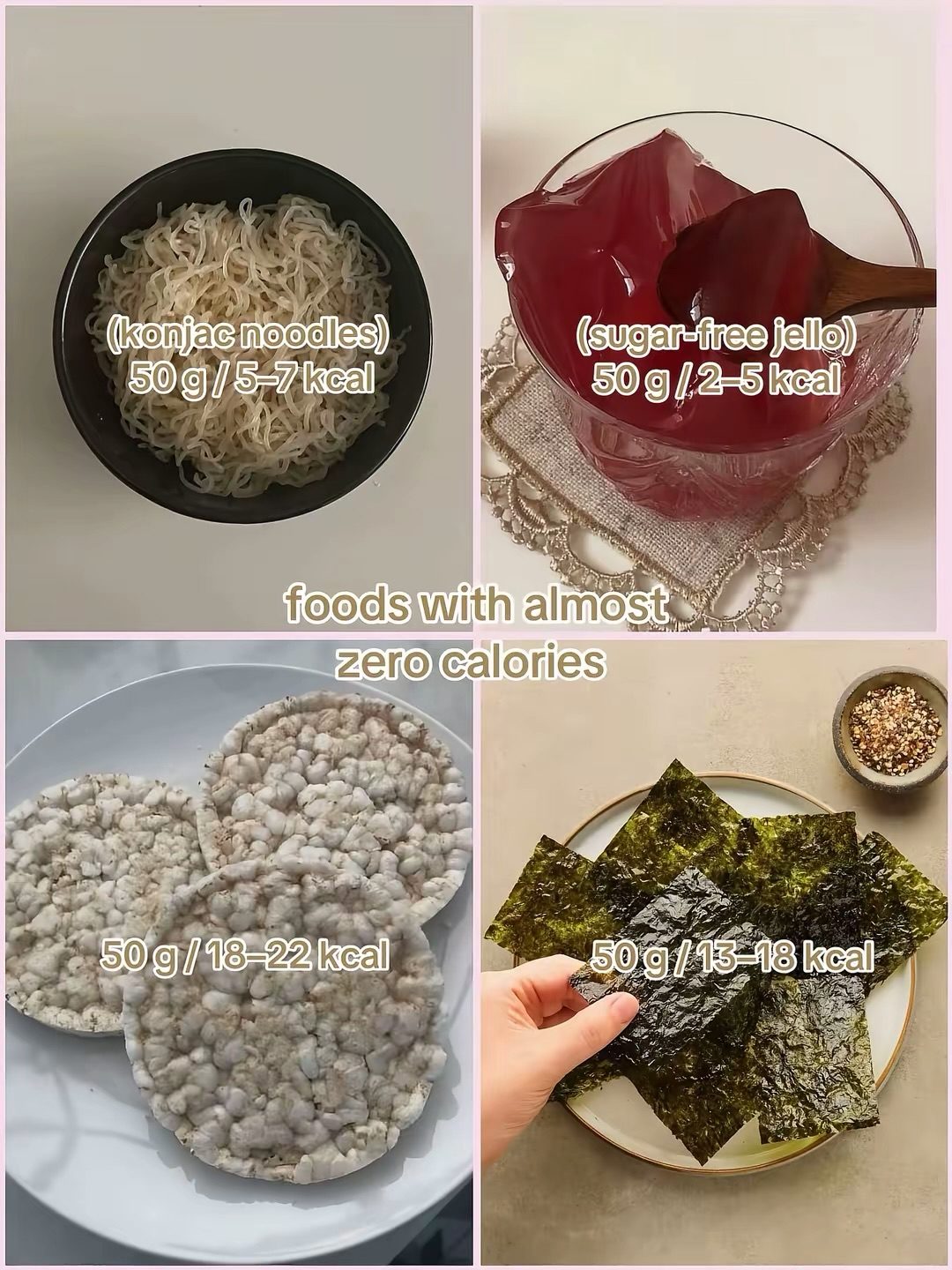
It's helpful to understand the calorie content of different foods to make informed choices. Here are some examples of low-calorie foods and their calorie ranges per 50g serving:
- Konjac Noodles: 5-7 kcal
- Sugar-Free Jello: 2-5 kcal
- Rice Cakes: 18-22 kcal
- Seaweed: 13-18 kcal
- Bell Peppers: 10-12 kcal
- Mushrooms: 10-11 kcal
- Tomatoes: 8–10 kcal
- Broccoli: 17-18 kcal
- Kiwi: 30 kcal
- Cucumber: 6 kcal
- Zucchini: 8-9 kcal
- Lettuce: 3-7 kcal
These foods are not only low in calories but also packed with essential nutrients, making them a great choice for a balanced diet.
Main Discussion
High-Volume, Low-Calorie Foods
Volume foods are those that take up a lot of space in your stomach without adding many calories. They are an excellent choice for anyone looking to lose weight or maintain a healthy weight. These foods are typically high in water and fiber, which helps to fill you up and keep you satisfied for longer.
Fruits with High Water Content
Fruits like watermelon, strawberries, and kiwi are not only delicious but also very low in calories. They are perfect for snacking and can help to keep you hydrated. Watermelon, for instance, is about 92% water and has only about 30 calories per 100 grams. Similarly, strawberries are approximately 91% water and have around 33 calories per 100 grams.
Vegetables You Can Eat in Big Portions
Veggies like bell peppers, cucumbers, and lettuce are some of the best low-calorie options. They are high in fiber and water, which makes them very filling. For example, a 50g serving of cucumber has only about 6 calories. Bell peppers and lettuce are also very low in calories, making them great choices for salads and snacks.
Practical Tips
Incorporating Low-Calorie Foods into Your Diet
- Plan Your Meals: Include a variety of low-calorie, high-volume foods in your meal plan. This can help you feel full and satisfied without overeating.
- Snack Smart: Opt for snacks that are high in water and fiber, such as fresh fruits and vegetables. These can help curb cravings and keep you full between meals.
- Hydrate: Drinking plenty of water can also help with feelings of fullness. Sometimes, our bodies confuse thirst for hunger, so staying hydrated can prevent overeating.
- Use Apps for Tracking: There are many apps available that can help you track your calorie intake and provide nutritional insights. For example, Workit app can help you stay active, accountable, and motivated with data-driven nutrition insights. It’s a tool for helping you to lose weight with certainty.
- Experiment with Low-Calorie Swaps: Konjac noodles, rice cakes, and sugar-free jello are excellent low-calorie alternatives to higher-calorie foods. They can be just as satisfying and are much lower in calories.
Important Takeaways
When it comes to weight loss and healthy eating, focusing on low-calorie, high-volume foods can be a game-changer. These foods help you feel full and satisfied, making it easier to stick to your dietary goals. Remember, it's not just about eating less but eating better. Incorporating fruits and vegetables with high water content, along with smart swaps like konjac noodles and sugar-free jello, can make your diet more enjoyable and sustainable.
Conclusion
Low-calorie, high-volume foods are a great way to support weight loss or maintain a healthy weight. By choosing foods that are filling but low in calories, you can enjoy your meals more and feel satisfied. Incorporating these foods into your diet, along with consistent physical activity, can lead to significant progress in your health and fitness journey.
Watch the Reel
Questions readers ask
What are some benefits of incorporating low-calorie, high-volume foods into my diet?
Incorporating low-calorie, high-volume foods into your diet can help you feel full and satisfied while consuming fewer calories. This approach can make your diet more enjoyable and easier to maintain compared to strict calorie restriction. It can also help sustain weight loss over time by providing a sense of satisfaction and reducing the likelihood of overeating.
Can you recommend some low-calorie, high-volume foods?
Some excellent low-calorie, high-volume foods include leafy greens like spinach and kale, broccoli, cauliflower, zucchini, and mushrooms. Konjac noodles are another great option, as they are very low in calories and can help you feel full. These foods are high in fiber and water, which contributes to their satisfying nature.
How can I create a calorie deficit without feeling hungry all the time?
To create a calorie deficit without feeling hungry, focus on consuming more high-volume, low-calorie foods. These foods take up more space in your stomach, helping you feel full and satisfied. Additionally, stay hydrated and include plenty of lean proteins and healthy fats in your meals to support overall satiety.
What are zero calorie foods and can they help with weight loss?
Zero-calorie foods are those that contain negligible amounts of calories, such as celery, cucumbers, and certain herbs. While they can be a useful addition to a weight loss plan, it's important to note that they should be part of a balanced diet that includes a variety of nutrient-dense foods. Their primary benefit is that they add volume to your meals without adding significant calories, helping you feel full.
How can konjac noodles aid in weight loss?
Konjac noodles are incredibly low in calories and high in fiber, making them an excellent choice for weight loss. They can help you feel full and satisfied, which may reduce overall calorie intake. Additionally, their high water content contributes to their low-calorie, high-volume nature, making them a smart addition to a weight loss diet.
Can I enjoy my meals while following a low-calorie diet for weight loss?
Absolutely! A low-calorie diet focused on high-volume foods can be quite enjoyable. By including a variety of fruits, vegetables, lean proteins, and whole grains, you can create delicious and satisfying meals. The key is to focus on the volume of food rather than strictly limiting calories, allowing you to feel more satisfied and less deprived.
Are there any low-calorie, no-sugar foods that can help with weight loss?
Yes, there are plenty of low-calorie, no-sugar foods that can support weight loss. Examples include leafy greens, cruciferous vegetables, and many types of herbs and spices. These foods not only add volume to your meals but also provide essential nutrients without contributing to calorie or sugar intake.
Recent articles
Fresh deep dives from the latest Reels we unpacked.




Comments
Be the first to comment.