Tooth Anatomy and Sensitivity
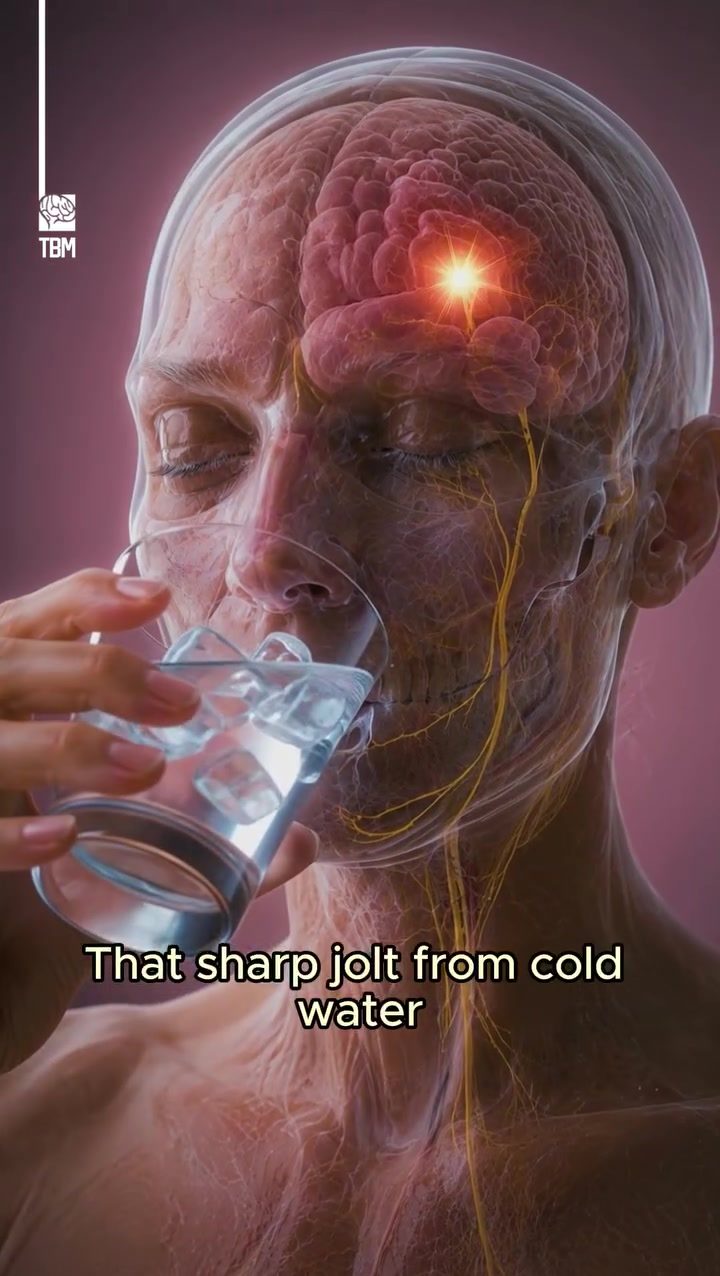
Tooth sensitivity can be a sudden and uncomfortable experience, often triggered by cold water. This discomfort is not caused by the cold itself, but rather by the exposure of microscopic channels within the tooth called dentinal tubules. When enamel wears down, gums recede, or a tooth cracks, these tubules become exposed, leading to pain when cold fluids or air hit them.
Why This Matters
Understanding the underlying causes of tooth sensitivity is essential for maintaining good oral health. By recognizing the signs of enamel erosion, gum recession, or tooth cracks, individuals can take proactive steps to protect their teeth and prevent discomfort. This knowledge is especially important for those who experience sudden, sharp pain when consuming cold beverages or foods.
Main Discussion
The Structure of a Tooth
Healthy teeth are composed of several layers, each serving a specific protective function. The outermost layer, enamel, is the hardest substance in the human body. It acts as a shield, protecting the more sensitive inner layers of the tooth. Beneath the enamel lies dentin, a porous tissue that contains microscopic channels known as dentinal tubules. These tubules extend from the outer surface of the dentin to the inner pulp, which is rich in nerves and blood vessels.
The Role of Dentinal Tubules
Dentinal tubules play a crucial role in tooth sensitivity. When the enamel wears down or the gums recede, these tubules are exposed. In a healthy tooth, the enamel and gums act as barriers, preventing external stimuli from reaching the nerves inside the tooth. However, when these protective layers are compromised, the fluid inside the dentinal tubules can rapidly shift in response to temperature changes, triggering nerve pain.
How Cold Water Causes Discomfort
When cold water or air comes into contact with exposed dentinal tubules, the fluid inside these microscopic channels shifts rapidly. This movement stimulates the nerves within the tooth, sending a sudden, sharp signal to the brain. The brain interprets this signal as pain, resulting in the familiar electric-like sensation that many experience with cold sensitivity.
Factors Contributing to Tooth Sensitivity
Several factors can contribute to the development of tooth sensitivity, including:
- Enamel Erosion: Enamel can wear down due to acidic foods and beverages, brushing too hard, or grinding teeth. When the enamel thins, it becomes less effective at protecting the dentin and dentinal tubules.
- Gum Recession: Receding gums expose the lower part of the tooth, including the dentinal tubules. This can occur due to gum disease, aggressive brushing, or aging.
- Tooth Cracks: Cracks in the tooth can expose the dentinal tubules, allowing external stimuli to reach the nerves within the tooth.
Practical Tips
Maintaining Tooth Enamel
Protecting tooth enamel is essential for preventing sensitivity. Here are some practical tips for maintaining healthy enamel:
- Limit Acidic Foods and Drinks: Foods and beverages high in acid can erode enamel over time. Limit your consumption of citrus fruits, sodas, and sports drinks to protect your enamel.
- Use a Soft-Bristled Toothbrush: Brushing too hard or using a hard-bristled toothbrush can wear down enamel. Opt for a soft-bristled toothbrush and gentle brushing technique to minimize enamel erosion.
- Avoid Teeth Grinding: Grinding or clenching your teeth can wear down enamel. If you grind your teeth at night, consider using a mouthguard to protect your enamel.
Preventing Gum Recession
Preventing gum recession is crucial for maintaining healthy gums and protecting the dentinal tubules:
- Brush Gently: Aggressive brushing can damage the gums and cause them to recede. Use a gentle brushing technique and a soft-bristled toothbrush to protect your gums.
- Use an Electric Toothbrush with a Pressure Sensor: Electric toothbrushes with pressure sensors can help you brush more gently and prevent gum damage.
- Maintain Good Oral Hygiene: Regular brushing and flossing can help prevent gum disease, a leading cause of gum recession. Additionally, regular dental check-ups can help detect and treat gum disease in its early stages.
Dealing with Tooth Cracks
Tooth cracks can be more challenging to prevent, but there are steps you can take to reduce the risk:
- Avoid Hard Foods: Hard foods like nuts and popcorn can cause teeth to crack. Be mindful of the foods you eat and avoid biting on hard objects.
- Visit Your Dentist Regularly: Regular dental check-ups can help detect cracks and other dental issues in their early stages, allowing for prompt treatment.
Important Takeaways
- Tooth sensitivity is caused by the exposure of dentinal tubules, which can occur due to enamel erosion, gum recession, or tooth cracks.
- Dentinal tubules are microscopic channels that lead to the nerve-rich center of the tooth. When exposed, they can cause sudden, sharp pain when stimulated by cold or other external factors.
- Maintaining good oral hygiene and visiting your dentist regularly can help prevent and manage tooth sensitivity.
- Practical tips, such as using a soft-bristled toothbrush, limiting acidic foods, and avoiding hard foods, can help protect your teeth and prevent discomfort.
Conclusion
Tooth sensitivity can be an unpleasant experience, but understanding the underlying causes and taking proactive steps can help prevent and manage it effectively. By maintaining good oral hygiene, protecting your enamel and gums, and addressing any dental issues promptly, you can keep your teeth healthy and minimize sensitivity. Don't let tooth sensitivity get you down—take control of your oral health and enjoy a pain-free smile.
Watch the Reel
Related deep dives
Similar reads based on topic and creator.


Recent articles
Fresh deep dives from the latest Reels we unpacked.




Comments
Be the first to comment.