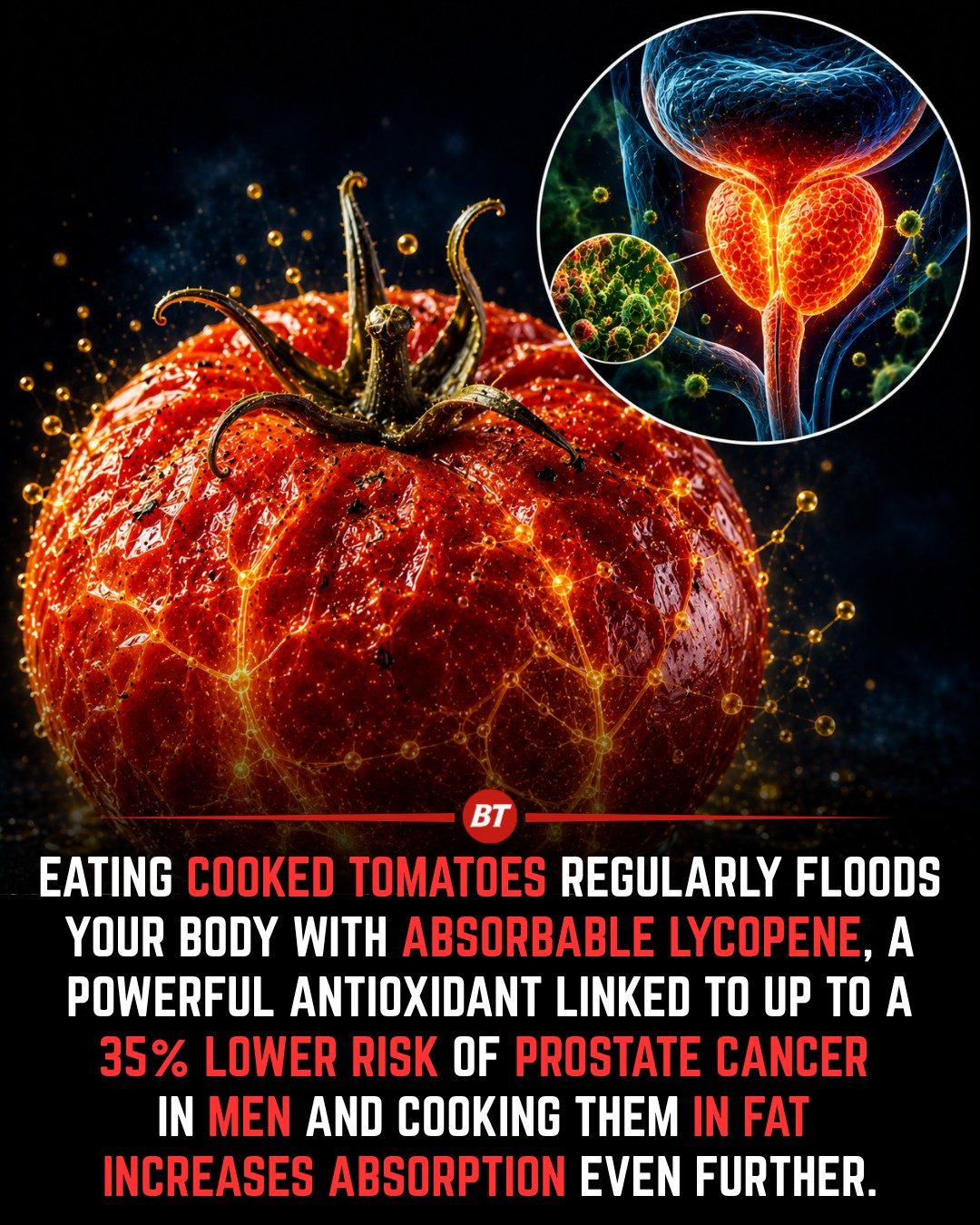
Tomato Health Benefits
Tomatoes are packed with essential nutrients and offer numerous health benefits, particularly when cooked. The rich red color of tomatoes comes from a carotenoid pigment called lycopene, an antioxidant that has garnered significant attention for its role in supporting cellular health and overall well-being.
Why This Matters
Tomatoes are a staple in many diets, and understanding their nutritional benefits can help enhance their positive impact on health. Cooked tomatoes, in particular, offer unique advantages due to increased bioavailability of lycopene.
Cooked Tomatoes and Lycopene
Increased Bioavailability
Cooking tomatoes significantly enhances the availability of lycopene. When tomatoes are cooked, the heat breaks down the plant's cell walls, releasing more lycopene and making it easier for the body to absorb. This process is crucial because lycopene is fat-soluble, meaning it dissolves in fats and is absorbed more efficiently when paired with healthy fats like olive oil or avocado.
Health Benefits
Lycopene's antioxidant properties are well-documented. It accumulates in various tissues throughout the body, including the skin, liver, and prostate. This accumulation helps protect cells from oxidative stress, which is linked to various chronic diseases. Research has shown that regular consumption of cooked tomatoes can lower the risk of prostate cancer in men by up to 35%.
Cooking Methods
There are several effective ways to cook tomatoes to maximize lycopene absorption:
- Tomato Sauce: Simmering tomatoes into a sauce with extra virgin olive oil is one of the most effective methods. The combination of heat and fat enhances lycopene absorption.
- Tomato Paste: Cooking down tomatoes into a concentrated paste also increases lycopene concentration and bioavailability.
- Slow-Cooked Dishes: Soups, stews, and slow-cooked dishes that include tomatoes are excellent ways to reap the benefits of lycopene. The longer cooking times and combination with healthy fats can significantly boost absorption.
Pairing with Healthy Fats
Because lycopene is fat-soluble, pairing tomatoes with healthy fats is essential for optimal absorption. Here are some practical tips for incorporating tomatoes and healthy fats into your meals:
- Olive Oil: Use extra virgin olive oil in your cooking or drizzle it over your tomato dishes.
- Avocado: Add avocado slices or puree to tomato-based dishes for a creamy and healthy option.
- Nuts and Seeds: Incorporate nuts and seeds into your tomato-based recipes for added healthy fats.
Practical Tips
Incorporate Tomatoes into Your Diet
Adding cooked tomatoes to your diet is simple and delicious. Here are a few recipe ideas to get you started:
- Classic Tomato Sauce: Simmer tomatoes with onions, garlic, and extra virgin olive oil. Blend until smooth and use as a base for pasta dishes.
- Roasted Tomato Soup: Roast tomatoes with garlic, onions, and herbs, then blend with vegetable broth for a comforting soup.
- Tomato and Avocado Salad: Combine sliced tomatoes, avocado, red onion, and a drizzle of olive oil and balsamic vinegar for a refreshing salad.
Maximize Lycopene Absorption
To get the most out of your cooked tomatoes, follow these guidelines:
- Cook Slowly: Slow-cooking methods like simmering or stewing break down the plant's cell walls, making lycopene more accessible.
- Use Healthy Fats: Always pair your tomato dishes with a source of healthy fats to enhance lycopene absorption.
- Vary Your Cooking Methods: Experiment with different cooking methods to keep your dishes interesting and to ensure you're getting a variety of nutrients.
Important Takeaways
Cooked tomatoes are a powerhouse of nutrition, particularly when it comes to lycopene. By understanding how to maximize lycopene absorption, you can harness the full benefits of this powerful antioxidant. Incorporating tomatoes into your diet through various cooking methods and pairing them with healthy fats can significantly boost your overall health and support healthy aging.
Conclusion
Tomatoes, when cooked, offer a wealth of health benefits, particularly due to the increased bioavailability of lycopene. Whether you're making a classic tomato sauce or a hearty stew, incorporating cooked tomatoes into your diet can support cellular health, cardiovascular function, and overall well-being. By following these practical tips and understanding the importance of pairing tomatoes with healthy fats, you can easily enhance your health through this versatile and delicious ingredient.
Watch the Reel
Questions readers ask
How does cooking affect lycopene in tomatoes?
Cooking tomatoes increases the bioavailability of lycopene. The heat breaks down the plant's cell walls, making it easier for the body to absorb this beneficial antioxidant. This enhanced absorption can make cooked tomatoes a more potent source of lycopene compared to raw tomatoes.
What are the benefits of lycopene for prostate health?
Lycopene, abundant in cooked tomatoes, has been linked to a lower risk of prostate cancer. By incorporating cooked tomatoes into their diet, men can benefit from the increased availability of lycopene, which supports overall cellular health and may help in preventing prostate cancer.
Can adding olive oil to cooked tomatoes enhance lycopene absorption?
Yes. Olive oil can boost lycopene absorption. Cooking tomatoes with olive oil helps to increase the solubility of lycopene, making it more accessible for the body to absorb and utilize this antioxidant for better health outcomes.
What are some lycopene-rich foods besides tomatoes?
While tomatoes are one of the richest sources of lycopene, other foods also contain this beneficial antioxidant. These include pink grapefruit, watermelon, pink guava, and papaya. Incorporating a variety of these foods into your diet can help you reap the benefits of lycopene.
How does lycopene protect against prostate cancer?
Lycopene acts as a potent antioxidant, helping to neutralize harmful free radicals in the body. By doing so, it may protect cells against damage and reduce the risk of prostate cancer. Consuming cooked tomatoes, which have increased bioavailability of lycopene, can be a beneficial strategy for promoting prostate health.
What are the general health benefits of cooked tomatoes?
Cooked tomatoes offer a range of health benefits due to their increased lycopene content. They support cellular health, improve overall well-being, and may help in reducing the risk of various diseases, including certain cancers.
What is the best way to cook tomatoes to maximize lycopene content?
To maximize lycopene content, cook tomatoes with a small amount of oil, such as olive oil. This helps to break down the plant's cell walls and increase the availability and absorption of lycopene. Prolonged cooking or processing, such as canning or making tomato paste, can also enhance lycopene absorption.
Related deep dives
Similar reads based on topic and creator.




Recent articles
Fresh deep dives from the latest Reels we unpacked.




Comments
Be the first to comment.