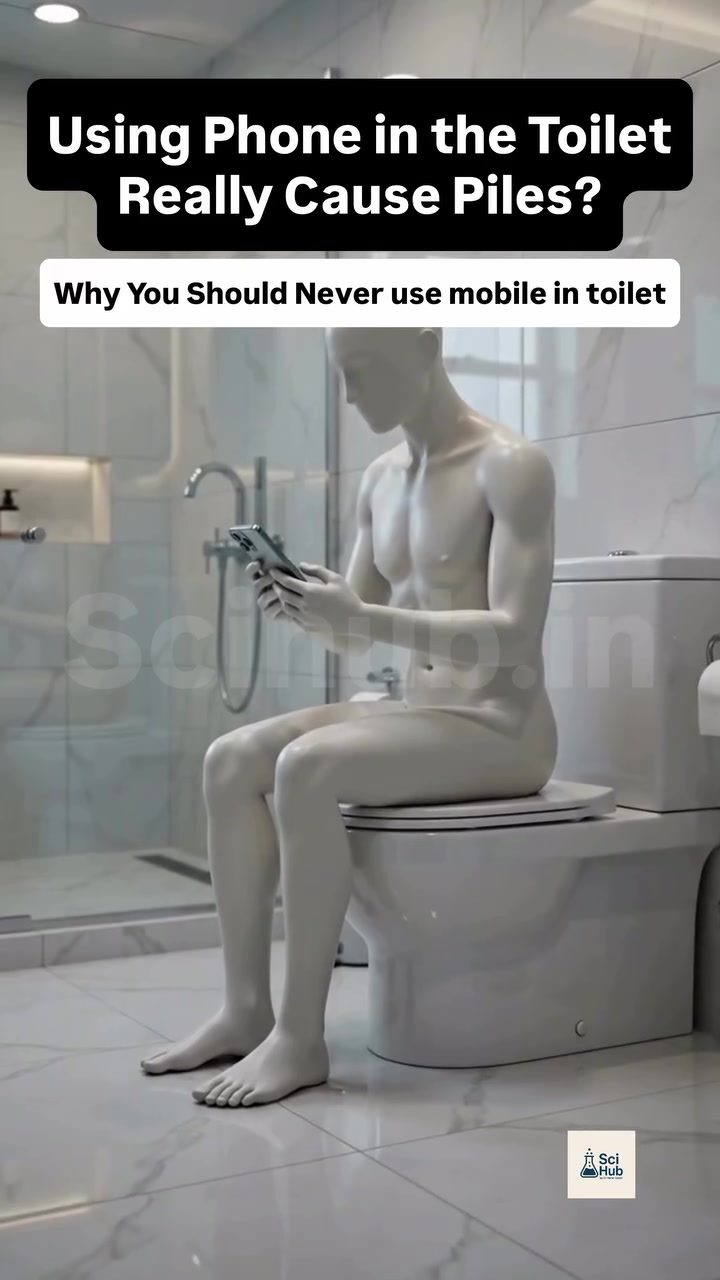
Phone Use in the Toilet: The Connection to Hemorrhoids
Spending too much time on the toilet with your phone can increase your risk of piles, also known as hemorrhoids. Although many people believe that using a phone on the toilet directly causes hemorrhoids, the real issue lies in the prolonged sitting time. This is where pressure can build in the veins around the rectum, leading to discomfort, itching, pain, or even bleeding.
Why This Matters
Understanding the connection between prolonged toilet time and hemorrhoids is crucial for maintaining good digestive health. By addressing this issue, you can reduce the risk of developing hemorrhoids and improve your overall well-being.
What Happens in the Body
When you sit on the toilet for extended periods, the pressure in the veins of your pelvic area and rectum increases. Over time, this repeated pressure can cause the veins to swell and enlarge, eventually leading to hemorrhoids. Hemorrhoids are essentially varicose veins in the rectum and anus, and they can be quite uncomfortable.
Common Misconceptions
There are several misconceptions about how phone use while on the toilet contributes to hemorrhoids. The most common myth is that the phone itself causes these issues. In reality, it is the prolonged sitting and the pressure exerted on the pelvic veins that lead to this condition.
The longer you remain seated in the bathroom, the more pressure builds in the veins. This pressure can cause the veins to swell, contributing to the development of hemorrhoids. Repeated pressure stretches and enlarges these veins, leading to discomfort, itching, pain, or even bleeding. This isn’t about the phone; it's about how long you stay seated.
Key Factors That Contribute to Hemorrhoids
Several factors increase the risk of developing hemorrhoids, especially when combined with prolonged toilet use. These factors include:
- Straining: Pushing too hard during bowel movements can put additional pressure on the veins.
- Constipation: A low-fiber diet can lead to constipation, causing you to strain more and sit longer on the toilet.
- Low-Fiber Diet: Not getting enough fiber in your diet can lead to constipation and increased straining.
- Inactivity: A sedentary lifestyle can weaken the muscles in the pelvic area, making it harder to control your bowels and increasing the pressure on the veins.
Practical Tips to Lower Your Risk
Implementing healthy habits can significantly reduce your risk of developing hemorrhoids. Here are some practical tips to keep in mind:
- Avoid Prolonged Sitting: Try not to turn toilet time into scrolling time. The longer you sit, the more pressure builds up in your pelvic veins.
- Eat a Fiber-Rich Diet: Include plenty of fruits, vegetables, and whole grains in your diet to promote regular bowel movements. This will help reduce straining and the need to sit for extended periods.
- Stay Hydrated: Drinking plenty of water helps soften your stools, making them easier to pass and reducing the need for straining. Aim for at least eight glasses of water a day.
- Stay Active: Regular physical activity helps keep your bowels moving and reduces the risk of constipation. Aim for at least 30 minutes of moderate exercise most days of the week.
- Avoid Straining: If you experience constipation, try using a stool softener or a gentle laxative to make bowel movements easier. Pushing too hard during a bowel movement can put additional pressure on the veins in your pelvic area.
Important Takeaways
Knowing the risks associated with prolonged toilet sitting is the first step in preventing hemorrhoids. Remember that it's not the phone itself, but how long you stay seated that contributes to the problem.
Conclusion
Maintaining healthy habits can significantly reduce the risk of developing hemorrhoids. By avoiding prolonged toilet sitting, eating a fiber-rich diet, staying hydrated, and staying physically active, you can improve your digestive health and overall well-being.
Watch the Reel
Questions readers ask
How does phone use on the toilet contribute to hemorrhoids?
Phone use on the toilet can lead to prolonged sitting, which increases pressure in the veins around the rectum. This added pressure can cause or worsen hemorrhoids over time. Even if you are using your phone to read or surf the internet, the extended time spent on the toilet can be harmful.
What are the symptoms of hemorrhoids?
Hemorrhoids can cause discomfort, itching, pain, or even bleeding. These symptoms may vary depending on the severity of the condition. If you experience any of these symptoms, it's important to consult a healthcare provider for proper evaluation and treatment.
How can I reduce my risk of hemorrhoids?
To reduce your risk of hemorrhoids, limit your toilet time to what's necessary and avoid using your phone as a distraction. Maintain a healthy diet rich in fiber, stay hydrated, and engage in regular physical activity to promote healthy digestion and reduce pressure on your veins.
Is it true that the phone itself causes hemorrhoids?
No, the phone itself does not cause hemorrhoids. The issue arises from the prolonged sitting that often accompanies phone use. It's the extended periods of sitting, not the phone directly, that increases the risk of hemorrhoids.
What are some tips for healthier toilet habits?
To promote healthier toilet habits, set a timer to limit your sitting time. Additionally, try reading or using your phone in a different location. Make sure to get up and move around at least every 10-15 minutes to improve your overall health and well-being.
Can using a stool help prevent hemorrhoids?
Yes, using a squatty potty or a stool to elevate your feet while on the toilet can help to maintain a healthier position. It can make bowel movements quicker and easier, reducing the time and pressure spent on the toilet. This can help prevent hemorrhoids.
What should I do if I already have hemorrhoids?
If you already have hemorrhoids, it's important to consult a healthcare provider for treatment options. In the meantime, avoid prolonged sitting, maintain good hygiene, and adopt healthier toilet habits to minimize discomfort and prevent further complications.
Related deep dives
Similar reads based on topic and creator.




Recent articles
Fresh deep dives from the latest Reels we unpacked.




Comments
Be the first to comment.