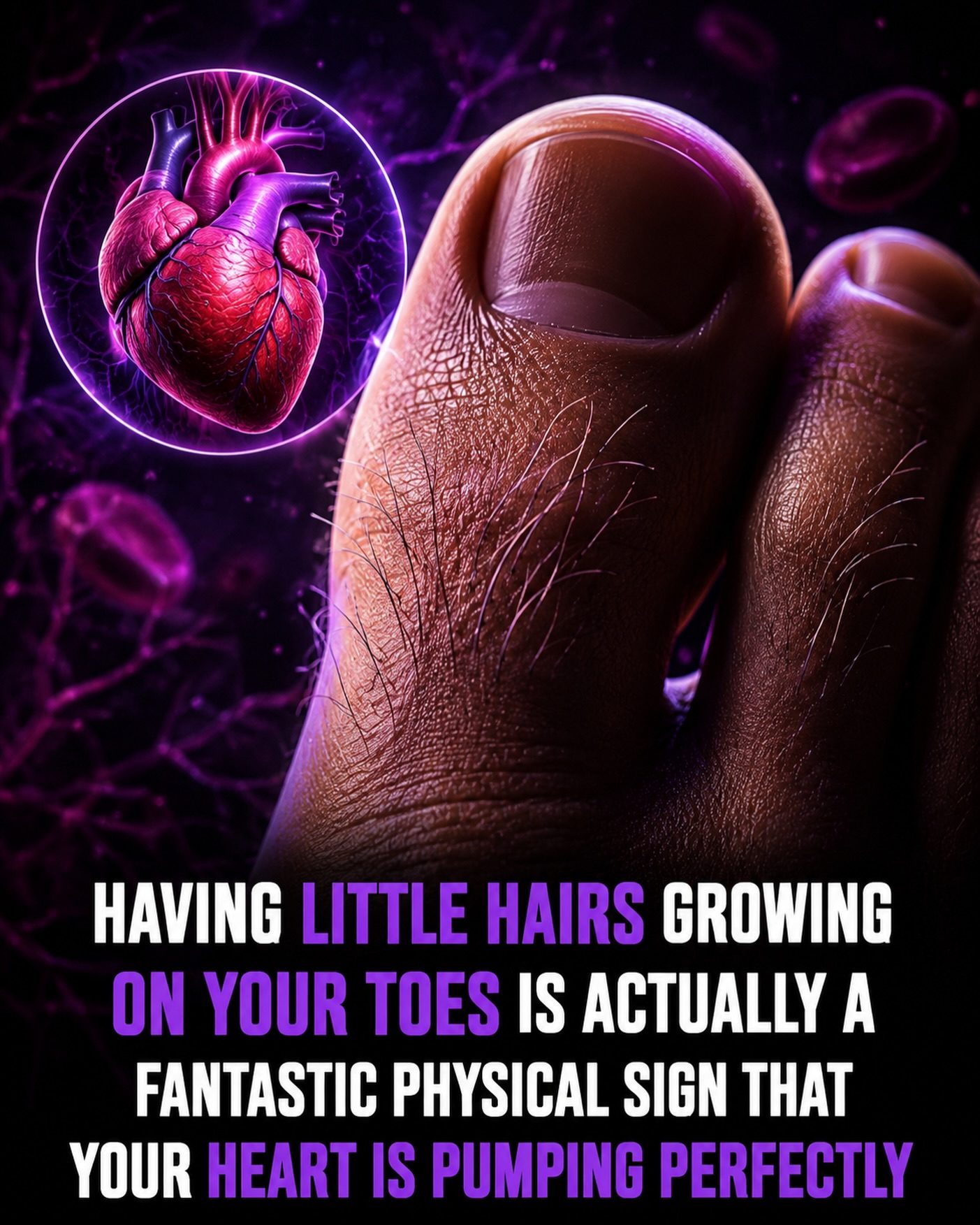
Toe Hair as an Indicator of Heart Health
Toe hair might seem like an unusual topic, but it can actually provide useful insights into your circulation and heart health. Hair follicles require a steady blood flow to grow, and the visibility of hair on your toes can indicate that blood is effectively reaching the skin. Conversely, a sudden loss of toe hair might signal poor circulation. However, it's essential to understand that toe hair is not a definitive heart health test.
Why This Matters
Understanding the relationship between toe hair and circulation can help you recognize potential health issues. Circulatory problems can lead to serious health complications, including heart disease. By paying attention to the condition of your toe hair, you might catch early signs of poor circulation and take appropriate action. This awareness can also prompt you to consider other indicators of heart health, such as cold feet, color changes in the extremities, numbness, slow-healing sores, or weak pulses.
Main Discussion
The Science Behind Toe Hair and Circulation
Hair follicles on the toes, like those on other parts of the body, need a constant supply of blood to thrive. When blood flow is adequate, the follicles can produce hair. However, when circulation is compromised, the hair follicles may struggle to function properly, leading to a loss of toe hair. This phenomenon can serve as a subtle warning sign that your circulatory system might not be operating at its best.
What a Sudden Loss of Toe Hair Might Mean
A sudden loss of toe hair can be a red flag for poor circulation. Circulatory issues can be caused by various factors, including peripheral artery disease (PAD), diabetes, and obesity. PAD, in particular, is a condition where the arteries that supply blood to the limbs become narrowed or blocked, often due to the buildup of plaque. If you notice a sudden change in your toe hair, it might be worth discussing this with a healthcare professional.
Toe Hair vs. Other Circulation Indicators
While toe hair can offer some clues about your circulation, it is not a definitive measure of heart health. There are other, more reliable indicators to consider. Cold feet, for example, can signal poor circulation, especially if they are accompanied by color changes in the skin, such as paleness or blueness. Numbness or a tingling sensation in the extremities can also be a sign of circulatory problems. Additionally, slow-healing sores or wounds and weak pulses in the feet or legs are stronger indicators of circulation issues and warrant medical attention.
Practical Tips
Monitor Your Toe Hair Regularly
Pay attention to any changes in your toe hair. If you notice a sudden loss of hair, it might be a sign of poor circulation. Keep an eye out for other symptoms, such as cold feet, numbness, or slow-healing wounds.
Pay Attention to Other Symptoms
While toe hair can be a useful clue, do not rely on it solely. Keep an eye out for other symptoms, such as cold feet, color changes in the skin, numbness, slow-healing sores, or weak pulses. If you experience any of these symptoms, consult a healthcare professional.
Maintain a Healthy Lifestyle
Regular exercise, a balanced diet, and avoiding habits like smoking can help maintain good circulation and heart health. Regular check-ups with a healthcare provider can also help detect any underlying issues early on.
Important Takeaways
- Toe hair can be a useful clue about your circulation but is not a definitive measure of heart health.
- A sudden loss of toe hair might indicate poor circulation, especially if accompanied by other symptoms.
- Regularly monitor your toe hair and other signs of circulation, such as cold feet, numbness, and slow-healing wounds.
- Maintain a healthy lifestyle to support good circulation and heart health.
Conclusion
Paying attention to your toe hair can provide useful insights into your circulation and heart health. While it is not a definitive test, it can serve as an early warning sign. Recognizing other symptoms, maintaining a healthy lifestyle, and consulting with a healthcare professional can help you stay on top of your health.
Watch the Reel
Questions readers ask
Can toe hair growth really indicate good circulation and heart health?
Yes, the presence of toe hair can indicate that blood is flowing effectively to your extremities, which is a good sign for your overall circulation and heart health.
What should I do if I notice a sudden loss of toe hair?
If you notice a sudden loss of toe hair, it's important to consult with a healthcare provider. This could be a sign of poor circulation, which may be an early indicator of heart health issues.
Are there other signs I should look for alongside toe hair changes?
Alongside changes in toe hair, pay attention to other indicators such as cold feet, slow-healing sores, or changes in skin color. These can also suggest circulation issues and potential heart health concerns.
How does blood flow relate to toe hair growth?
Toe hair growth is dependent on a steady blood flow to the hair follicles. If blood flow is restricted, it can lead to a decrease in hair growth or even hair loss, making toe hair a potential clue to circulation and heart health.
Is toe hair the only indicator of heart health?
No, toe hair is just one of many indicators. While it can provide useful insights, it should not be used as a definitive test. Always consider other factors and consult with a healthcare professional for a comprehensive assessment.
Can improving circulation help with toe hair growth?
Yes, improving circulation through lifestyle changes, such as regular exercise, a balanced diet, and quitting smoking, can potentially enhance blood flow to your extremities, which may promote toe hair growth.
What are some common causes of poor circulation in the feet?
Poor circulation in the feet can be caused by various factors, including peripheral artery disease, diabetes, high blood pressure, and high cholesterol. If you notice toe hair changes, it may be worth discussing these potential causes with a healthcare provider.
Recent articles
Fresh deep dives from the latest Reels we unpacked.




Comments
Be the first to comment.