The Temporomandibular Joint: The Mechanism Behind Biting, Chewing, and Speaking
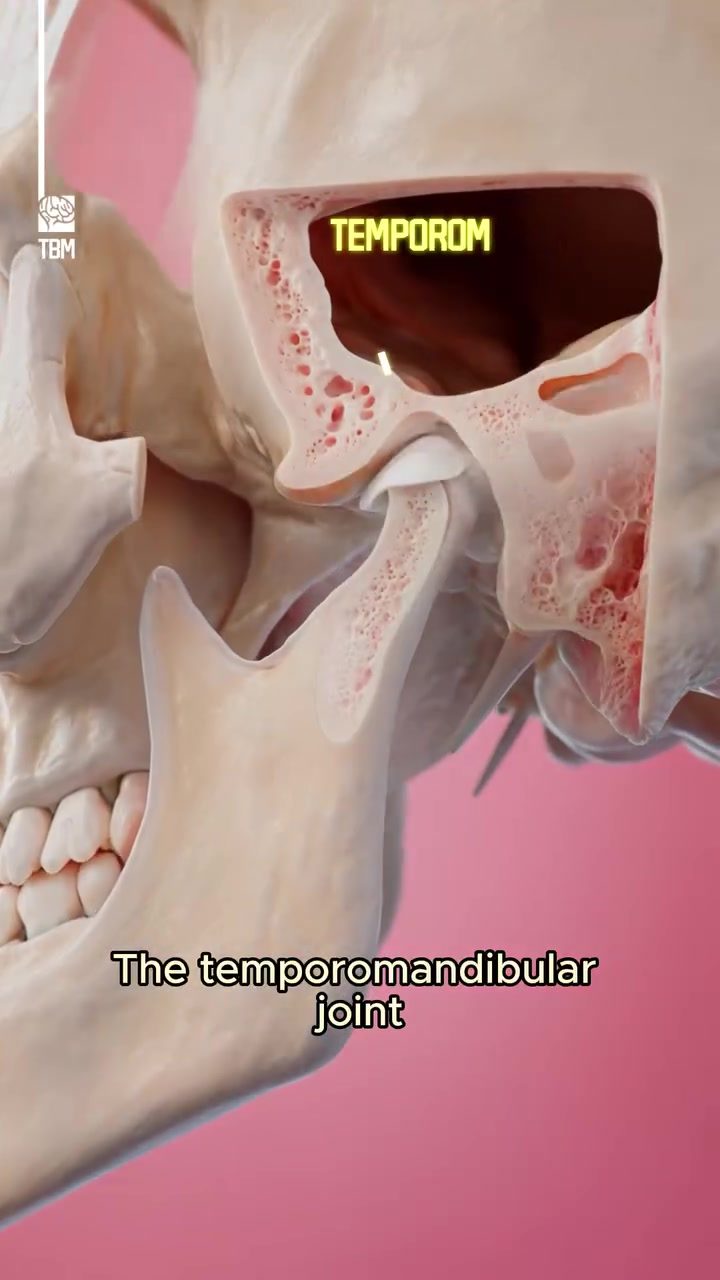
Biting, chewing, and speaking are everyday actions that most people take for granted. These actions are made possible by a remarkable joint known as the temporomandibular joint (TMJ). This joint connects the lower jawbone (mandible) to the skull and plays a crucial role in the mechanics of the jaw.
Why This Matters
Understanding the TMJ is important for anyone who has experienced jaw pain, difficulty chewing, or other related issues. The TMJ is not just a simple hinge; it is a complex structure designed to withstand the constant pressure of daily activities. When this system begins to wear down, it can lead to a range of problems that affect daily life.
The Anatomy of the Temporomandibular Joint
The TMJ is unique compared to other joints in the body. It consists of several key components that work together to allow for a wide range of smooth, controlled motion.
The Articular Disc
One of the most critical components of the TMJ is the articular disc. This small disc is made of strong, flexible cartilage and sits between the temporal bone of the skull and the lower jawbone.
- Function: The primary role of the articular disc is to absorb and distribute the pressure generated during activities like chewing, speaking, and yawning. This helps protect the joint from excessive wear and tear.
- Location: The disc is situated between the temporal bone and the mandible. Its strategic placement allows it to effectively manage the forces exerted on the joint.
The Two Spaces of the Joint
The articular disc divides the TMJ into two separate spaces, each with a distinct function:
- The Upper Space (Translational Space): This area allows the jaw to slide forward and backward. This movement is essential for tasks that require the jaw to move in multiple directions, such as speaking and biting.
- The Lower Space (Hinge Space): This area functions like a hinge, enabling the mouth to open and close. This movement is crucial for activities that require vertical jaw motion, such as chewing.
The Mechanism of the Temporomandibular Joint
The TMJ's unique design allows for a wide range of smooth, controlled motion. The two spaces within the joint work together to provide both rotational and translational movements, enabling the jaw to function efficiently.
- Rotational Movement: The hinge-like motion of the lower space allows the jaw to open and close, making it possible to chew food and speak.
- Translational Movement: The upper space allows the jaw to glide forward and backward, enabling tasks like biting and yawning that require more complex jaw movements.
Maintaining Joint Health
Given the constant pressure and movement, the TMJ is designed to withstand a lot of stress. However, various factors can affect its health and functionality. Understanding these factors can help in maintaining the health of the joint.
Common Factors Affecting TMJ Health
- Teeth Grinding (Bruxism): This habit can put excessive pressure on the TMJ, leading to wear and tear over time.
- Arthritis: Conditions like osteoarthritis or rheumatoid arthritis can affect the TMJ, causing pain and stiffness.
- Injury: Trauma to the jaw, such as a blow or a fall, can damage the TMJ and its surrounding structures.
- Misalignment: Issues like misaligned teeth or an overbite can put additional stress on the joint, leading to problems over time.
Practical Tips for TMJ Care
Maintaining good TMJ health involves a combination of awareness, prevention, and timely intervention. Here are some practical tips to help care for the TMJ:
- Maintain Good Posture: Proper posture can help reduce strain on the jaw and neck, promoting overall joint health.
- Avoid Hard Foods: Chewing hard or tough foods can put excessive pressure on the TMJ. Opt for softer foods when possible.
- Manage Stress: Stress and anxiety can lead to teeth grinding, which can damage the TMJ. Techniques like deep breathing, meditation, or yoga can help manage stress.
- Regular Dental Check-ups: Regular dental visits can help detect and address issues like teeth grinding or misalignment before they cause significant problems.
Important Takeaways
The temporomandibular joint is a complex and remarkable structure that allows for a wide range of jaw movements. Understanding its anatomy and function can help in maintaining joint health and addressing issues that may arise. By taking proactive measures, such as maintaining good posture, managing stress, and regular dental check-ups, you can protect the TMJ and ensure its proper functioning.
Conclusion
The temporomandibular joint (TMJ) is a marvel of human anatomy, enabling essential functions like biting, chewing, and speaking. Its unique design, with the articular disc and two distinct spaces, allows for smooth and controlled movements while protecting the joint from wear and tear. By understanding the TMJ and taking steps to maintain its health, you can ensure that this crucial joint continues to function properly, supporting your daily activities and overall well-being.
Watch the Reel
Questions readers ask
What are the primary functions of the temporomandibular joint (TMJ)?
The TMJ serves several key functions, including enabling the movement of the lower jaw for biting and chewing, facilitating speech by allowing the lips and tongue to move, and protecting the joint from the pressure of daily activities through its unique structure. Its functions are essential for daily tasks.
How does the TMJ connect the jaw to the skull?
The TMJ connects the lower jawbone, or mandible, to the temporal bone of the skull. This connection is crucial for the hinge and gliding movements that allow for a wide range of jaw motion, including opening and closing the mouth, and side-to-side movements.
What is the role of the articular disc in the TMJ?
The articular disc in the TMJ acts as a cushion between the jawbone and the skull, absorbing pressure and reducing friction during jaw movements. This disc is essential for the smooth operation of the TMJ and helps to protect the joint from damage during biting, chewing, and speaking.
What happens when the TMJ begins to experience issues?
When the TMJ experiences problems, such as wear and tear or misalignment, it can lead to a variety of issues including jaw pain, difficulty chewing, clicking or popping sounds during jaw movement, and headaches. These issues can significantly impact daily activities and should be addressed promptly to prevent further complications.
How does the TMJ facilitate speech?
The TMJ enables speech by allowing for the precise movements of the lower jaw, lips, and tongue. The TMJ's mobility and function are crucial for articulating sounds and forming words, contributing to clear and effective communication.
What are some common symptoms of TMJ issues?
Common symptoms of TMJ issues include jaw pain or tenderness, clicking or popping sounds when moving the jaw, difficulty opening or closing the mouth, and a locked jaw. Other symptoms can include jaw stiffness, headaches, and earaches, which can indicate a problem with the TMJ.
What are some ways to protect the TMJ from excessive pressure?
To protect the TMJ from excessive pressure, it is important to avoid habits like chewing gum excessively, chewing on hard objects, and grinding teeth. Maintaining good posture and using proper techniques for biting and chewing can also help to reduce stress on the TMJ and preserve its function.
Related deep dives
Similar reads based on topic and creator.


Recent articles
Fresh deep dives from the latest Reels we unpacked.




Comments
Be the first to comment.