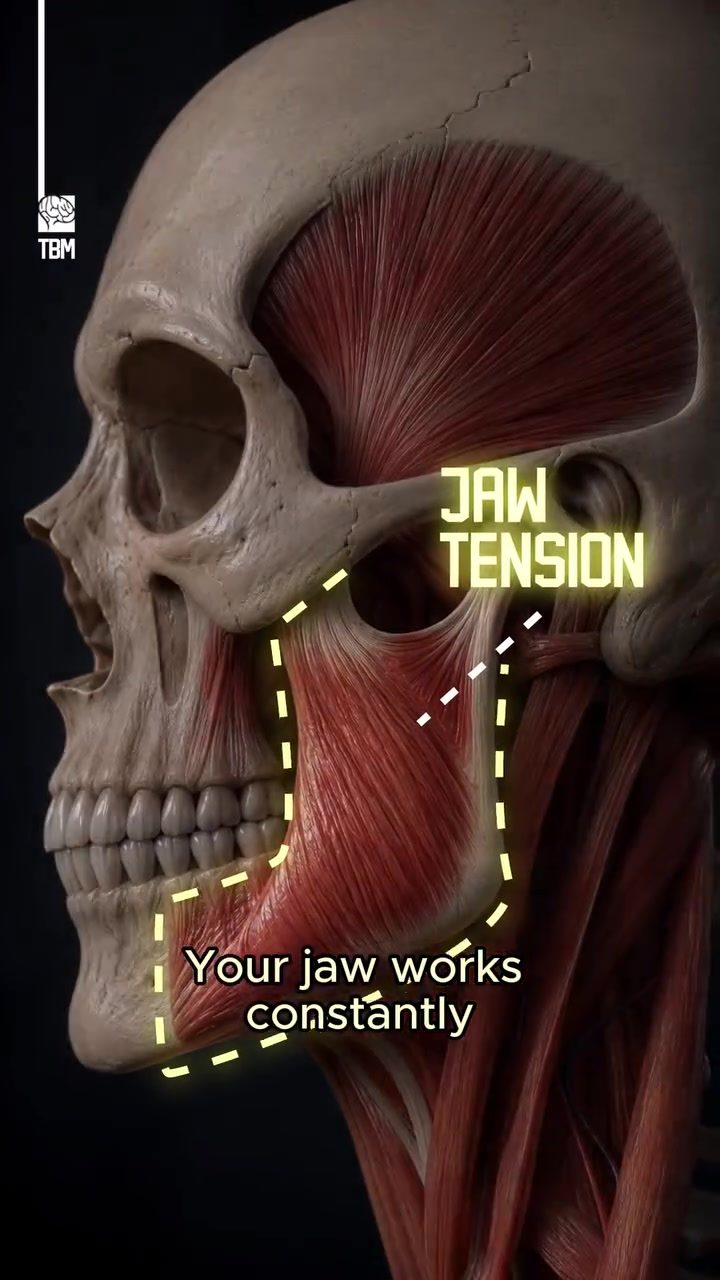
Jaw Muscle Anatomy and Relaxation
Jaw tension is a common issue that can cause discomfort, clicking, or even pain. Understanding the underlying reasons and effective ways to release this tension can significantly improve your quality of life. The jaw muscles are in constant motion, whether you’re talking, chewing, yawning, or experiencing stress. Over time, these muscles can become tense, leading to soreness, stiffness, and discomfort.
Why This Matters
The jaw is an essential part of the body, facilitating speech, eating, and even expressing emotions. Chronic jaw tension can lead to various problems, including temporomandibular joint (TMJ) disorders, headaches, and neck pain. Addressing jaw tension proactively can prevent these issues and enhance overall well-being.
Main Discussion
Understanding Jaw Muscle Activity
The muscles around your jaw are constantly working, whether you're aware of it or not. Everyday activities like talking, chewing, yawning, and even stress can cause these muscles to tighten and relax repeatedly. When these muscles stay tense for too long, they can become sore, stiff, and uncomfortable. This is because the muscles are not designed to remain in a constant state of contraction.
Causes of Jaw Tension
Several factors can contribute to jaw tension. Stress and anxiety are common culprits, as they can cause you to clench your jaw unconsciously. Poor posture, such as slouching, can also strain the muscles in your neck and jaw. Additionally, teeth grinding (bruxism) during sleep is a significant cause of jaw pain and tension.
Effective Ways to Relieve Jaw Tension
Gentle Massage
One simple yet effective way to release jaw tension is to gently massage the muscles just in front of your ears. Using slow circular motions can help relax these muscles and alleviate discomfort. This technique is particularly useful when you feel your jaw tightening due to stress or fatigue.
Slow Jaw Movements
Another effective method is to slowly open and close your mouth without forcing the movement. This allows the muscles to relax naturally, relieving tension and preventing further strain. Perform this exercise several times a day, especially when you feel your jaw muscles tightening.
Tongue Positioning
Keeping your tongue resting lightly on the roof of your mouth, just behind your front teeth, can help reduce unnecessary clenching. This technique encourages proper jaw alignment and prevents excessive muscle strain.
Warm Compress
Applying a warm compress over the jaw for several minutes can improve blood flow and ease tight muscles. The warmth helps to relax the muscles, providing relief from soreness and stiffness.
Professional Help
If jaw pain, clenching, or grinding happens frequently, it's essential to see a dentist or healthcare professional. They can provide a thorough evaluation and recommend appropriate treatments, such as mouthguards or physical therapy, to address the underlying issues.
Practical Tips
Incorporating simple habits into your daily routine can help manage and prevent jaw tension. Here are some practical tips:
- Stay Mindful: Be aware of when you’re clenching your jaw, especially during stressful situations. Try to relax your jaw consciously.
- Maintain Good Posture: Ensure proper alignment of your head, neck, and shoulders to reduce strain on your jaw muscles.
- Avoid Hard Foods: Chewing hard or chewy foods can exacerbate jaw tension. Opt for softer foods when your jaw is already sore.
- Regular Exercise: Incorporate jaw exercises into your daily routine. Gentle stretches and massage can help maintain muscle flexibility and reduce tension.
Important Takeaways
Jaw tension is a common issue that can be managed with simple, effective techniques. By understanding the underlying causes and implementing preventive measures, you can improve your overall well-being. Gentle massage, slow jaw movements, proper tongue positioning, and warm compresses are all effective ways to relieve jaw tension. If problems persist, seeking professional help is crucial.
Conclusion
Jaw tension can significantly impact your daily activities and overall quality of life. By recognizing the causes and implementing practical techniques, you can manage and prevent this discomfort. Whether through gentle massages, tongue positioning, or professional help, taking proactive steps can alleviate jaw tension and promote better oral health.
Watch the Reel
Questions readers ask
What are some common causes of jaw tension?
Jaw tension can be caused by a variety of factors, including stress, teeth grinding or clenching, poor posture, and misaligned teeth. Additionally, habits like chewing gum excessively or biting nails can contribute to jaw tension and pain.
How can I tell if I have a TMJ disorder?
Symptoms of a TMJ disorder include pain or tenderness in the jaw, clicking or popping sounds when opening or closing the mouth, and difficulty chewing or speaking. If you experience these symptoms, it's important to consult a healthcare professional for a proper diagnosis and treatment options.
What are some effective exercises to relieve jaw tension?
Gentle jaw stretches, such as opening and closing the mouth slowly, can help release tension. Additionally, applying moist heat to the jaw area and practicing relaxation techniques like deep breathing can provide relief. Try jaw massage techniques for even more relief.
How can reducing jaw clenching help with overall well-being?
Reducing jaw clenching can prevent headaches, neck pain, and TMJ disorders, all of which can significantly impact daily activities. By addressing jaw tension, you can enhance your overall comfort and improve your ability to talk, eat, and express emotions without discomfort.
What are some remedies for jaw pain relief?
Over-the-counter pain relievers, along with applying ice or heat to the jaw area, can provide temporary relief. Maintaining good posture, practicing stress management techniques, and using a mouthguard at night to prevent teeth grinding are also effective remedies for jaw pain.
How does stress contribute to jaw tension?
Stress can cause individuals to clench their jaw muscles or grind their teeth, leading to tension and pain. Managing stress through techniques such as meditation, yoga, or deep breathing can help reduce jaw tension and prevent related discomfort and pain.
What role does posture play in jaw tension?
Poor posture, particularly in the neck and shoulders, can place additional strain on the jaw muscles, leading to tension and discomfort. Maintaining good posture and performing exercises to strengthen the neck and shoulder muscles can help alleviate jaw tension and prevent related issues.
Related deep dives
Similar reads based on topic and creator.

Recent articles
Fresh deep dives from the latest Reels we unpacked.




Comments
Be the first to comment.