Dining Etiquette and Service
As a seasoned diner, you've likely encountered many service styles, from casual to formal. Understanding tipping and service dynamics can significantly enhance your dining experience, whether in a high-end restaurant or a casual eatery.
Why this matters
The art of dining out extends beyond enjoying a well-prepared meal; it encompasses the entire experience, from the moment you sit down to when you leave. Knowing how to navigate tipping and service can transform an ordinary meal into a memorable one. This is particularly true in upscale settings, where the subtleties of service and tipping can create a more personalized and attentive atmosphere.
The art of tipping
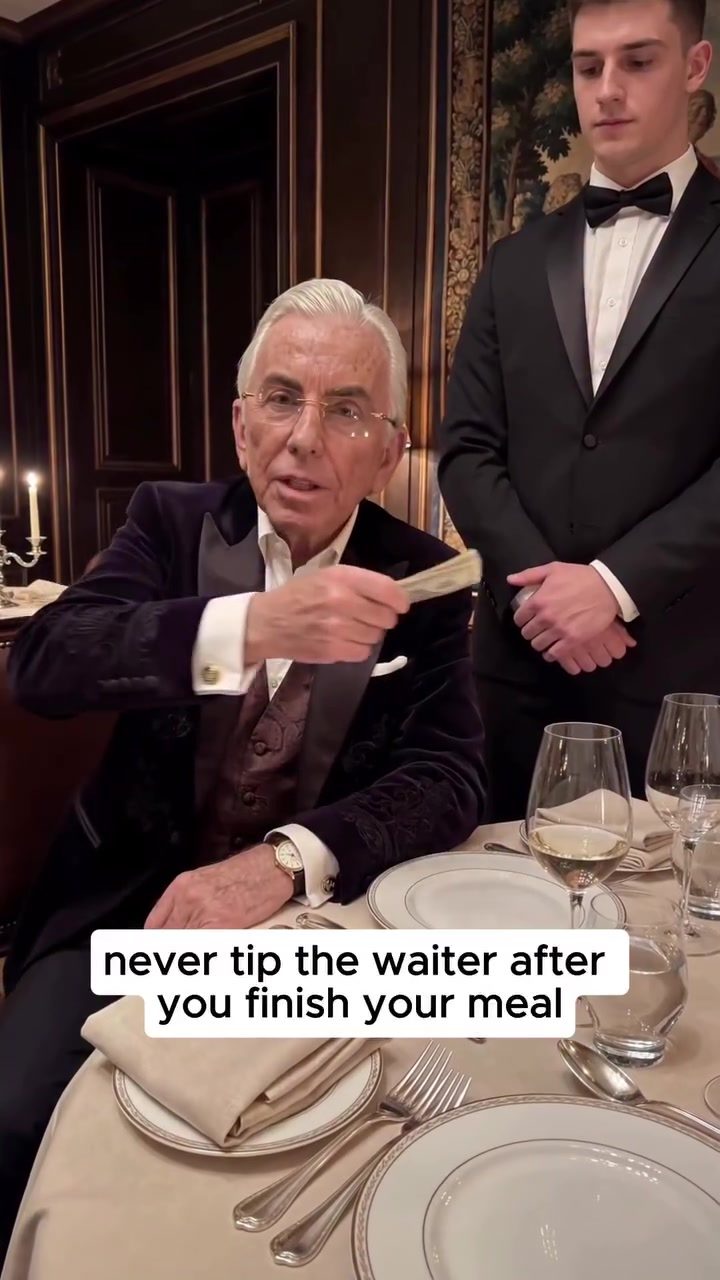
Most people view tipping as a way to say "thank you" for good service. However, there's a strategic approach to tipping that can elevate your dining experience. Instead of waiting until the end of the meal to show generosity, tipping at the beginning can completely change the dynamics of your service. Here's why.
Leveraging the initial tip
When you tip the waiter as soon as you sit down, you’re not just being generous; you’re making a strategic investment. This approach leverages the power of perception and motivation. The waiter will notice your table first, ensuring that your food comes faster and your experience becomes different. Essentially, you’ve paid for priority, not just service.
The dynamics of service
When you tip after finishing your meal, the plates are already empty, and you’ve lost your leverage. You’ve spent the entire night being just another customer, receiving the same service, treatment, and attention as everyone else. By tipping early, you signal to the waiter that you value their service and are willing to reward them for it. This often results in more attentive and personalized service.
Building loyalty
My mentor once told me, "If you want loyalty during the storm, reward people while the sun is shining." Most people only appreciate others when they need something. However, powerful people take care of people early. Treating every person like they might hold a door to your future one day can pay off in unexpected ways.
Practical tips
Making the most of your dining experiences involves more than just knowing when to tip. Here are some practical tips to enhance your service and overall enjoyment.
Timing your tip
- Early Tip: Tip the waiter as soon as you sit down. This sets the tone for the evening and ensures you get priority treatment.
- Appropriate Amount: Determine an appropriate tip based on the level of service and your budget. In high-end restaurants, a 20% tip is customary, but starting with a smaller tip upfront can still make a significant impact.
Setting expectations
- Clarity: Clearly communicate your preferences and needs. If you have dietary restrictions or special requests, make sure the waiter knows early on.
- Follow-up: If you sense that the service is not meeting your expectations, politely bring it to the waiter's attention. Sometimes, a reminder about your early tip can nudge them to step up their game.
Important takeaways
Mastering the art of tipping and understanding the dynamics of service can enhance your dining experiences. Here are the key takeaways:
- Timing Matters: Tipping early can significantly improve your service experience.
- Leverage Your Tip: Use your tip as a tool to get better and faster service.
- Build Relationships: Treating service staff well can lead to future benefits and unexpected opportunities.
Conclusion
Navigating the intricacies of tipping and service can transform a routine meal into a luxury experience. By tipping early and strategically, you invest in a better service experience, setting yourself apart from the average diner. Remember, in the world of fine dining, a tip is more than a gratuity; it's an investment in your overall dining experience.
Watch the Reel
Questions readers ask
Should I tip before or after the meal in a restaurant?
Tipping before the meal can motivate servers to prioritize your table, leading to more attentive and prompt service. It shows appreciation upfront and encourages staff to provide a more personalized experience. However, if you prefer to assess the service first, tipping after the meal is also acceptable.
How much should I tip in an upscale restaurant?
In an upscale restaurant, a typical tip is around 20% of the pre-tax bill. However, for exceptional service, you might consider tipping up to 25% or more. Always remember that tips are a significant part of a server's income, so tipping generously can enhance your service and support their livelihood.
What if the service is poor? Should I still tip?
If the service is poor, it's still customary to leave a small tip, around 10%, as this is often part of the server's base pay. However, if the service is exceptionally bad, you can choose to speak with a manager about the poor service, and ask to have the bill adjusted accordingly.
Is it okay to tip in cash or should I add it to the card payment?
Tipping in cash is preferable as it ensures the server receives the full amount immediately. Some restaurants may not distribute tips added to card payments as efficiently. Always check the restaurant's policy if you're unsure of their tipping preferences.
What if I have multiple servers attending to my table? Should I tip each one?
If multiple servers attend to your table, it's best to ask the manager or head server who to tip and how much. Often, a single tip is distributed among the staff, but in some upscale restaurants, you may leave a tip for each person who served you directly. Always check the restaurant's policy to avoid confusion.
Does tipping early guarantee better service at a busy restaurant?
Tipping early can potentially improve your service, especially in busy restaurants, as it signals to the staff that they will be rewarded for good service. However, it's not a guarantee, as some servers might be too busy to prioritize tables based on tips alone. Always be polite and patient, and communicate any specific needs or preferences clearly.
Why is tipping so important in the USA?
Tipping is deeply ingrained in the American dining culture. It serves as a direct reward system for good service and incentivizes servers to provide better treatment and personalized service. In the USA, servers often rely on tips to supplement their wages, making tipping a crucial part of dining etiquette.
Recent articles
Fresh deep dives from the latest Reels we unpacked.




Comments
Be the first to comment.