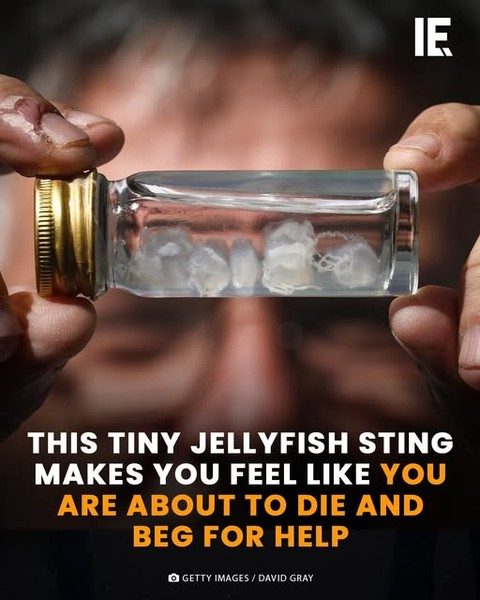
The Irukandji Jellyfish
The Irukandji jellyfish is a tiny, yet incredibly potent marine creature. Measuring smaller than a fingernail, it packs a stinging punch so severe that victims may experience full body pain, vomiting, and an overwhelming sense of impending doom. Primarily found in Australian waters, the Irukandji's venom triggers one of the most intense reactions to any marine creature.
Context
Why does a small jellyfish warrant so much attention? The Irukandji jellyfish, despite its minuscule size, causes an out-of-proportion reaction in humans, making it a fascinating and dangerous subject of study. Understanding this jellyfish and its impact can help people appreciate the complexities of marine life and the potential dangers that lurk in the ocean.
Main discussion
The Irukandji Jellyfish: A Small but Mighty Marine Creature
The Irukandji jellyfish, named after the Aboriginal people of Australia, is notoriously small, often measuring less than a centimeter in size. Its tiny bell and translucent appearance make it nearly invisible in the water, adding to the difficulty of avoiding its sting.
The Venom and Its Effects
The venom of the Irukandji jellyfish is particularly potent. When a person is stung, the venom can trigger a condition known as Irukandji syndrome. Symptoms include severe full-body pain, nausea, vomiting, and a sense of impending death. In severe cases, victims may experience facial flushing, sweating, and cardiovascular issues. The intense pain and discomfort can last for hours, making it one of the most terrifying experiences for anyone stung.
Where to Find Irukandji Jellyfish
Irukandji jellyfish are primarily found in the waters of northern Australia, particularly around the Great Barrier Reef and the coastal regions of Queensland. However, they can also be found in other parts of the world, including the waters of Southeast Asia and the Pacific Islands.
Practical Tips
If you're swimming in areas where Irukandji jellyfish are known to inhabit, here are some practical tips to minimize the risk:
Stay Informed
Knowing where and when Irukandji jellyfish are most likely to be present is crucial. During the summer months, the risk is higher, so it's essential to stay informed about local conditions and warnings.
Wear Protective Gear
Wearing protective clothing, such as a stinger suit or a wetsuit, can provide a barrier against jellyfish stings. These suits cover the entire body and are made of a material that can withstand the stingers.
Stay Calm and Seek Help
If stung, it's essential to stay calm and seek help immediately. Rinse the affected area with vinegar to neutralize any remaining stingers and reduce pain. Applying a cold pack can also help alleviate some of the discomfort. Always seek medical attention as soon as possible.
Avoid Swimming Alone
Never swim alone in areas where jellyfish are known to inhabit. Having a companion can ensure that someone is there to provide immediate assistance in case of a sting.
Important Takeaways
The Irukandji jellyfish is a compelling example of how small creatures can have a significant impact. Its venom and the resulting symptoms highlight the importance of being informed and cautious when swimming in areas where these jellyfish are present. Always follow local guidelines and safety measures to minimize the risk of a potentially dangerous encounter.
Conclusion
The Irukandji jellyfish, despite its tiny size, is a powerful reminder of the complexities and dangers of marine life. Its venomous sting and the terrifying symptoms of Irukandji syndrome make it a subject of both fascination and fear. By staying informed, wearing protective gear, and adhering to safety measures, you can enjoy the beauty of the ocean while minimizing the risks associated with these fascinating creatures.
Watch the Reel
Questions readers ask
What makes the Irukandji jellyfish so dangerous despite its small size?
The Irukandji jellyfish is dangerous because its sting delivers a potent venom that can cause severe symptoms. It can lead to full-body pain, nausea, and a harrowing sense of impending doom in victims, making it far more perilous than its size would suggest.
Where are Irukandji jellyfish typically found?
Irukandji jellyfish are primarily found in Australian waters, particularly in the waters off northern Australia. They are often found in the tropical and subtropical regions, posing a risk to swimmers and divers in these areas.
What are the symptoms of an Irukandji jellyfish sting?
Symptoms of an Irukandji jellyfish sting include severe pain that can spread throughout the body, nausea, vomiting, and a sense of imminent danger. Some victims may also experience sweating, anxiety, and restlessness. In extreme cases, it can lead to a condition known as Irukandji syndrome, which can be life-threatening.
What should you do if you are stung by an Irukandji jellyfish?
If stung, seek immediate medical attention. First, rinse the affected area with vinegar for at least 30 seconds to deactivate any remaining venom. Apply a cold pack or ice to the area and keep the affected limb still. Avoid immersing the area in hot water, as this can exacerbate the symptoms.
How can you identify an Irukandji jellyfish in the water?
Irukandji jellyfish are incredibly small, often measuring less than a centimeter in diameter, making them difficult to spot. They have a transparent, bell-shaped body and long, thin tentacles that can trail behind them. Due to their small size and translucent appearance, they are very hard to see in the water.
Is there a specific treatment for the Irukandji jellyfish sting?
There is no specific antivenom for an Irukandji jellyfish sting, so treatment is focused on managing symptoms. Medical professionals may administer painkillers, anti-nausea medication, and in severe cases, supportive care in an intensive care unit. Immediate and appropriate first aid is crucial to mitigate the effects of the sting.
Can the Irukandji jellyfish sting be fatal?
While rare, an Irukandji jellyfish sting can potentially be fatal. The venom can cause a condition known as Irukandji syndrome, which may lead to cardiopulmonary failure if left untreated. Prompt medical treatment is essential to manage the symptoms and prevent complications.
Recent articles
Fresh deep dives from the latest Reels we unpacked.




Comments
Be the first to comment.