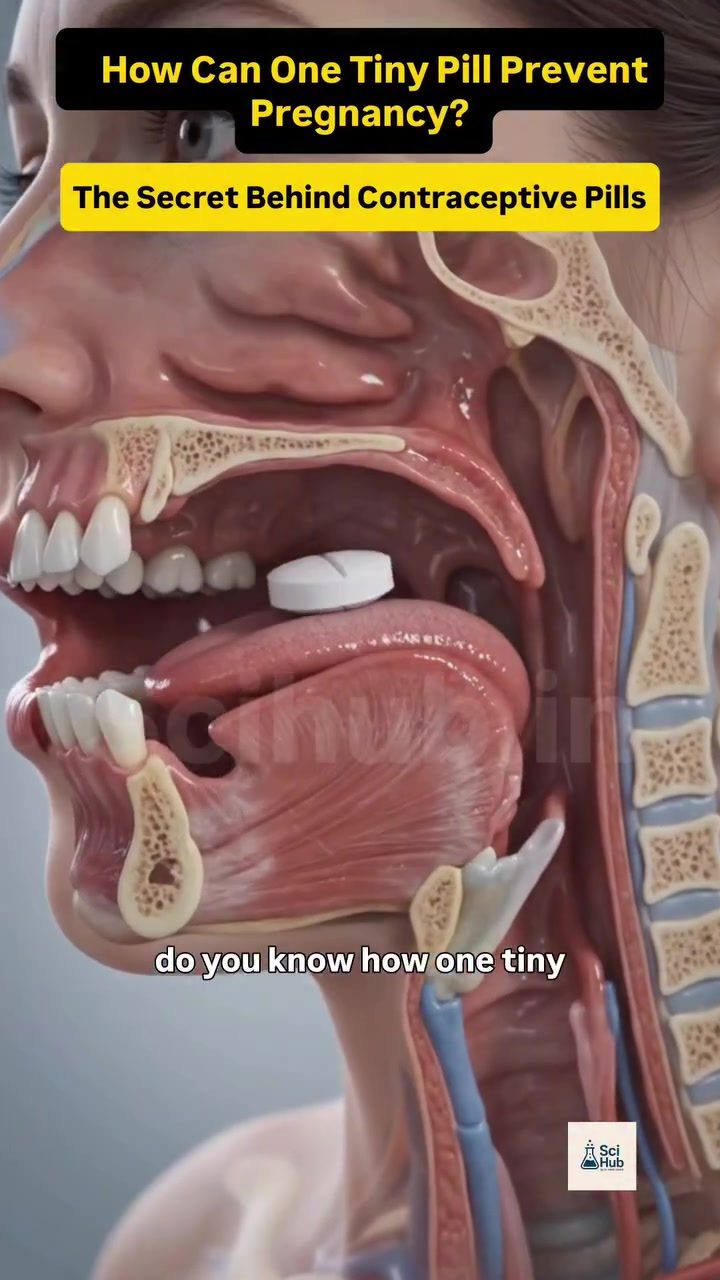
Contraceptive Pills
Contraceptive pills are a widely used method of birth control that prevent pregnancy through a combination of hormonal actions. Understanding how these tiny pills work can empower individuals to make informed decisions about their reproductive health. The process begins the moment you swallow a tablet, which then travels through your digestive system, dissolving and releasing synthetic hormones that perform several crucial functions.
Why This Matters
Contradictory myths and misinformation often surround contraceptive pills, making it essential to have accurate information. By understanding their mechanisms, individuals can better assess the potential benefits and risks, ensuring they choose the most effective contraceptive method for their needs.
How Contraceptive Pills Work
The Journey Through the Body
When you take a contraceptive pill, the journey to prevent pregnancy begins. The tablet travels safely to your stomach, where it starts to dissolve. Once in the small intestine, the pill fully disintegrates and releases synthetic hormones into your system. These hormones then enter your bloodstream and journey to your brain and ovaries, where they start to exert their effects.
Preventing Ovulation
One of the primary ways contraceptive pills work is by stopping the release of an egg from the ovaries. This process, known as ovulation, is crucial for pregnancy. By preventing ovulation, the pill ensures that there is no egg available for fertilization, thus reducing the likelihood of pregnancy.
Thickening Cervical Mucus
The synthetic hormones released by the pill also thicken the mucus at the cervix. This thickening makes it much more difficult for sperm to penetrate the cervix and reach the fallopian tubes, where fertilization typically occurs. This barrier is an additional layer of protection against unwanted pregnancy.
Thinning the Uterine Lining
In addition to preventing ovulation and thickening cervical mucus, contraceptive pills also affect the lining of the uterus. The hormones thin the uterine lining, making it less hospitable for a fertilized egg to implant. This further reduces the chances of pregnancy, even if sperm manage to reach an egg.
Practical Tips for Effective Use
Consistency is Key
To ensure the highest effectiveness, it is crucial to take contraceptive pills consistently. Missing doses can disrupt the hormonal balance and reduce the pill’s efficacy. Setting a daily reminder or taking the pill at the same time each day can help maintain consistency.
Choosing the Right Pill
There are different types of contraceptive pills available, including combined pills (which contain both estrogen and progestin) and progestin-only pills. Consulting a healthcare provider can help determine which type is best suited to your needs and health profile.
Managing Side Effects
Some individuals may experience side effects, such as nausea, headaches, or mood changes, when starting contraceptive pills. These symptoms usually subside within a few months. If side effects persist, consulting a healthcare professional can help manage or adjust the dosage or type of pill.
Keeping Track of Your Cycle
For combined pills, it’s essential to track your menstrual cycle to ensure you take the correct pills at the right times. Most packs include a 21-day supply of active pills followed by a 7-day placebo period. Proper tracking ensures continuous hormonal regulation.
Important Takeaways
The contraceptive pill is a multifaceted method of birth control that works through several mechanisms to prevent pregnancy. By releasing synthetic hormones, the pill stops ovulation, thickens cervical mucus, and thins the uterine lining. These combined actions significantly reduce the likelihood of pregnancy. Understanding these processes can help individuals make informed decisions about their reproductive health and contraceptive choices.
Conclusion
Contraceptive pills are a reliable and effective method of birth control, providing multiple layers of protection against pregnancy. By preventing ovulation, thickening cervical mucus, and thinning the uterine lining, these tiny pills offer a comprehensive approach to birth control. Whether you are considering contraceptive pills for the first time or looking to optimize your current method, understanding how they work can help you make informed decisions and ensure their effectiveness. Always consult a qualified healthcare professional to choose the contraceptive method that best suits your needs.
Watch the Reel
Questions readers ask
How do contraceptive pills prevent ovulation?
Contraceptive pills prevent ovulation by releasing synthetic hormones that mimic the natural hormones in your body. These hormones trick your body into thinking it has already ovulated, thereby preventing the release of an egg from the ovaries.
What role does cervical mucus play in contraceptive pill function?
Contraceptive pills thicken cervical mucus, creating a barrier that makes it difficult for sperm to reach an egg. This thickened mucus acts as a physical barrier to prevent fertilization, enhancing the pill's effectiveness in preventing pregnancy.
How do synthetic hormones in contraceptive pills prevent pregnancy?
Synthetic hormones in contraceptive pills work in multiple ways to prevent pregnancy. They inhibit ovulation, thicken cervical mucus, and thin the uterine lining, making it difficult for a fertilized egg to implant.
Can contraceptive pills stop your period entirely?
Some contraceptive pills, particularly those used in continuous or extended regimens, can stop your period entirely. These regimens involve taking active hormone pills continuously, without the usual placebo or pill-free interval, leading to fewer or no periods.
What are the benefits of using contraceptive pills for pregnancy prevention?
Contraceptive pills offer several benefits for pregnancy prevention, including a high success rate when used correctly, the ability to regulate menstrual cycles, and potential reductions in menstrual cramps and acne. Additionally, they can decrease the risk of certain cancers.
How do birth control pills help regulate menstrual cycles?
Birth control pills help regulate menstrual cycles by providing a steady dose of hormones that control the menstrual cycle. This can result in more predictable periods, reduced menstrual cramps, and lighter menstrual flow.
Are there different types of contraceptive pills?
Yes, there are different types of contraceptive pills, primarily categorized as combination pills and progestin-only pills. Combination pills contain both estrogen and progestin, while progestin-only pills contain only progestin. Each type has different mechanisms and potential side effects.
Related deep dives
Similar reads based on topic and creator.



Recent articles
Fresh deep dives from the latest Reels we unpacked.




Comments
Be the first to comment.